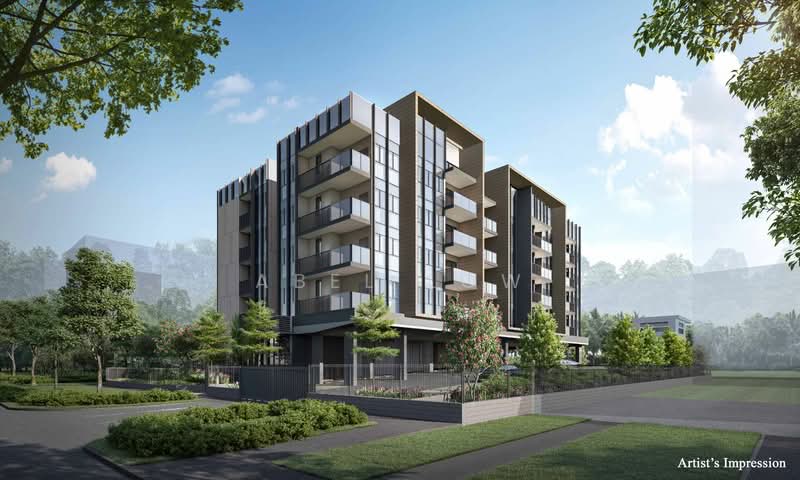
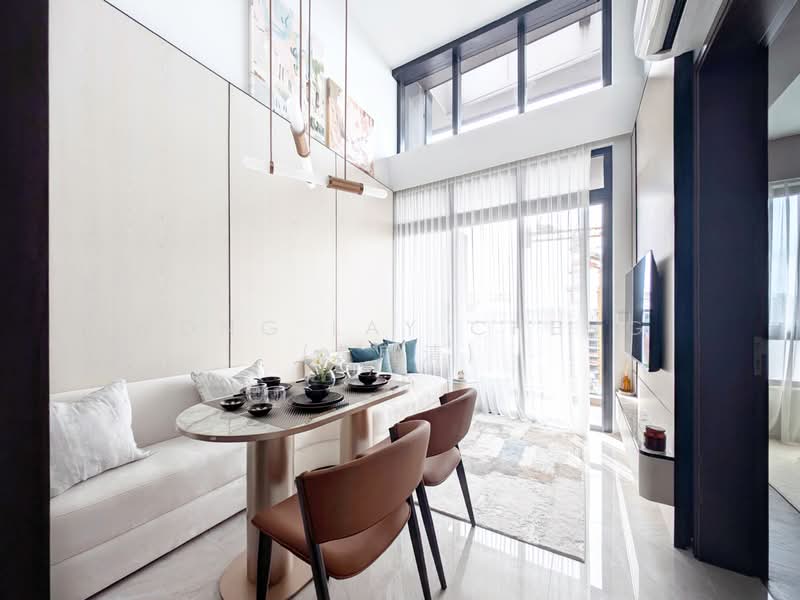
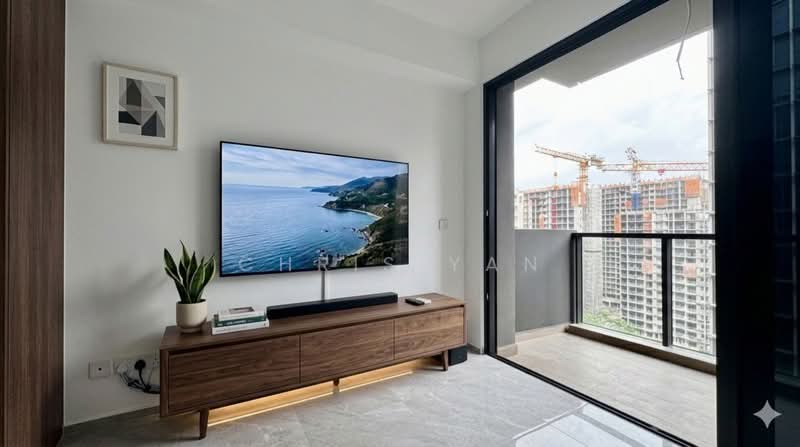
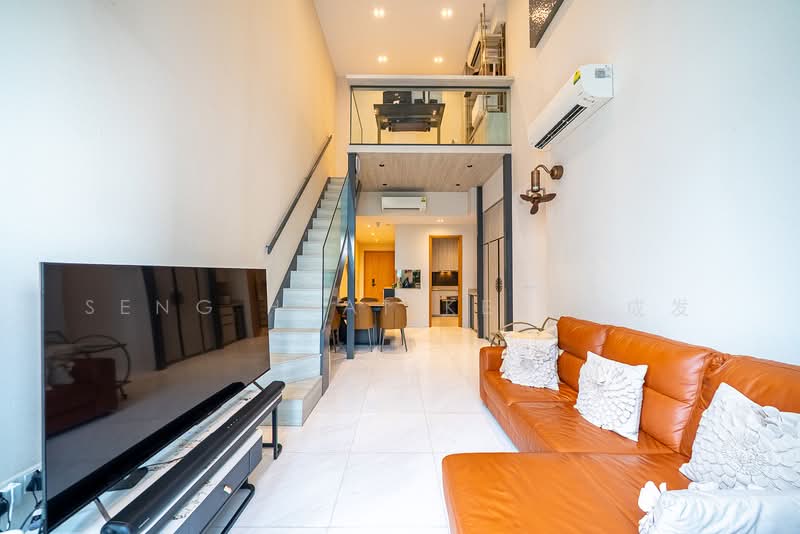
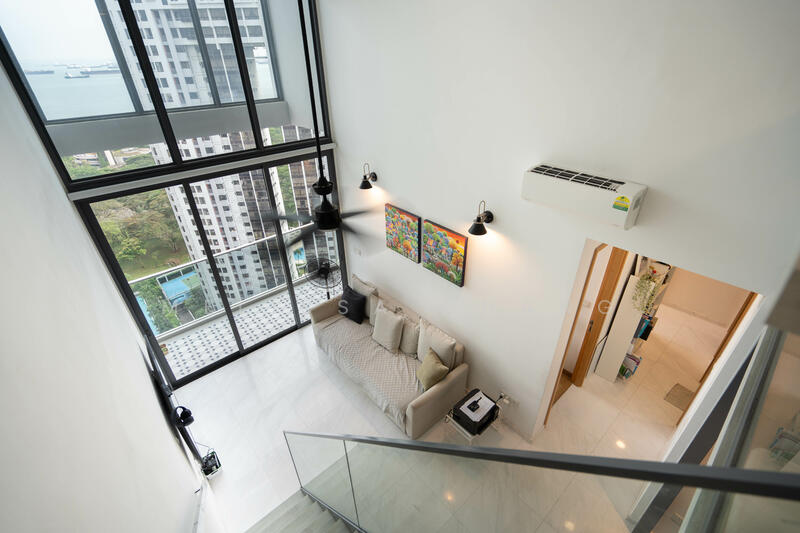
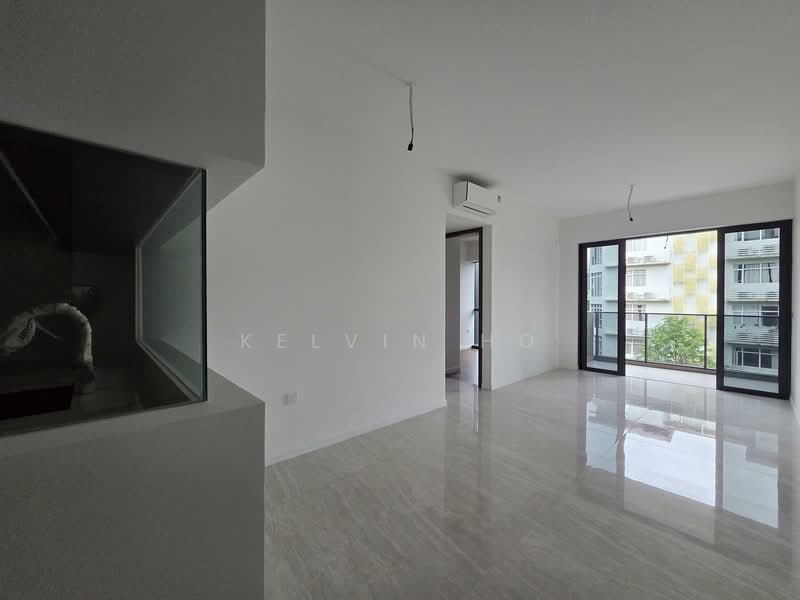
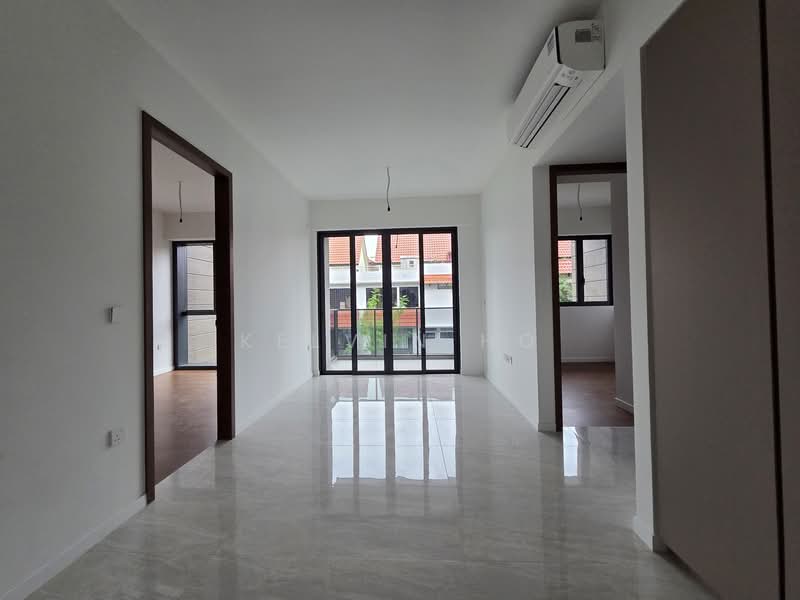
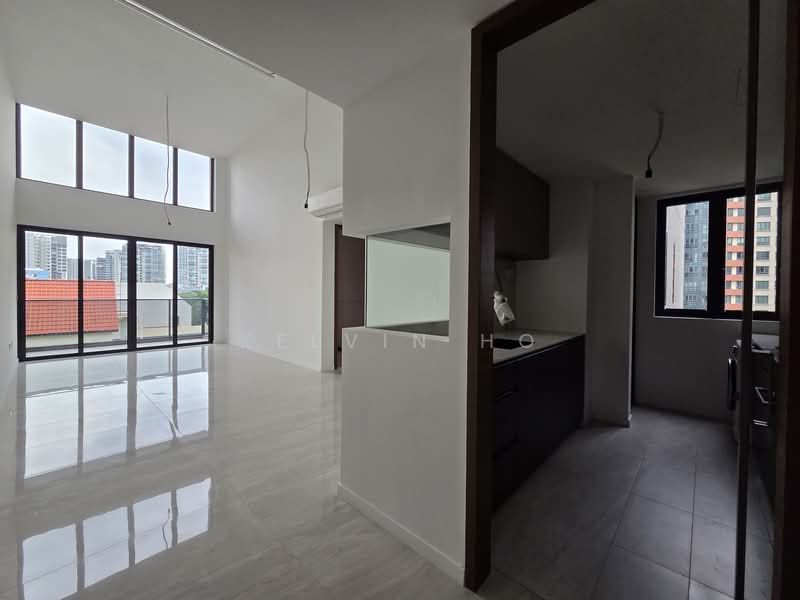
25 properties in Tanjong Katong MRT
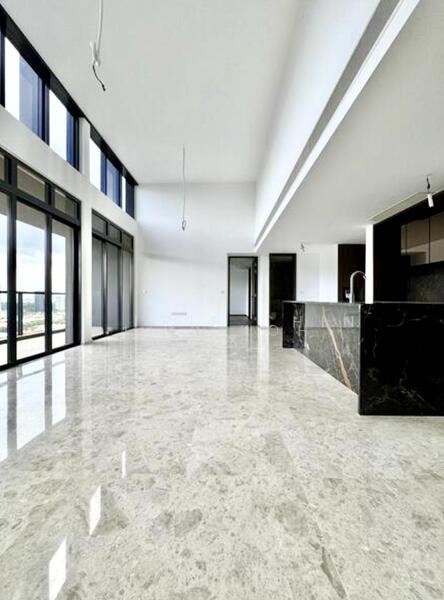
S$ 2,213,000
181 Haig Road · Condo · 13 min (1.09 km) from TE25 Tanjong Katong MRT Station
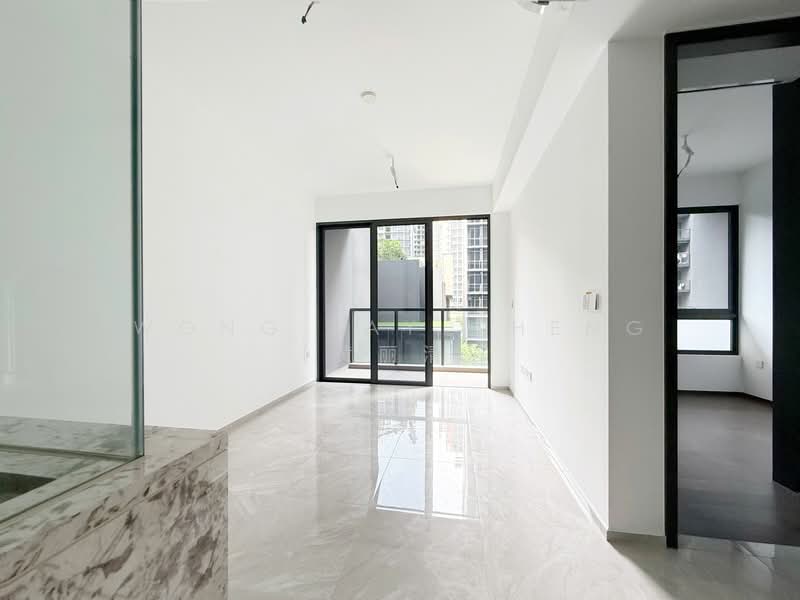
S$ 2,799,999
94 Jalan Tembusu · Condo · 8 min (670 m) from TE25 Tanjong Katong MRT Station
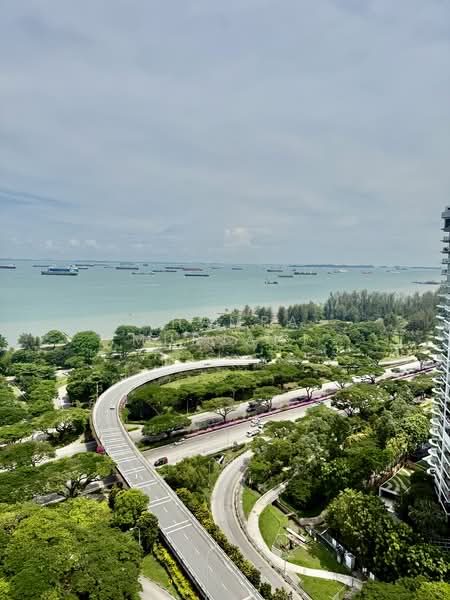
S$ 1,409,000
Condo · 9 min (730 m) from TE25 Tanjong Katong MRT Station
S$ 2,098,888
96 Jalan Tembusu · Condo · 8 min (670 m) from TE25 Tanjong Katong MRT Station
S$ 3,600,000
12 Amber Road · Condo · 9 min (740 m) from TE25 Tanjong Katong MRT Station
S$ 3,200,000
12 Amber Road · Condo · 9 min (740 m) from TE25 Tanjong Katong MRT Station
S$ 3,460,000
181 Haig Road · Condo · 13 min (1.09 km) from TE25 Tanjong Katong MRT Station
S$ 2,210,000
181 Haig Road · Condo · 13 min (1.09 km) from TE25 Tanjong Katong MRT Station
S$ 4,210,000
181 Haig Road · Condo · 13 min (1.09 km) from TE25 Tanjong Katong MRT Station
S$ 7,888,000
Condo · 9 min (730 m) from TE25 Tanjong Katong MRT Station
S$ 2,200,000
Condo · 9 min (730 m) from TE25 Tanjong Katong MRT Station
S$ 4,200,000
1 Amber Road · Condo · 10 min (810 m) from TE25 Tanjong Katong MRT Station
The Tanjong Katong area presents a mixed outlook for buyers in 2024, with prices ranging from S$1.18 million to S$7.89 million across available listings, reflecting strong demand for East Coast convenience. The Thomson-East Coast Line (TEL) completion has stabilised property values in this corridor, making it less volatile than speculative developments further out. However, buyer interest remains elevated, meaning negotiating power is limited compared to 2020–2021 levels, so this is a seller's market rather than an opportune entry point for budget-conscious purchasers.
Properties within 250–670 metres of Tanjong Katong MRT (such as Coastline Residences and Amber Park) command premium pricing at S$2.2–2.35 million, outpacing broader condo market appreciation of 3–5% annually due to East Coast location appeal and MRT connectivity. The price differential between ultra-close units (under 5 minutes' walk) and those 8–13 minutes away can be 15–20%, demonstrating the significant value uplift that proximity to the TE25 station provides. This micro-location premium has proven more resilient than the wider market during cooling cycles, making Tanjong Katong a defensive play for investors seeking stability.
The typical buyer for this precinct is an established professional aged 35–50 with household income exceeding S$150,000 annually, seeking a balance between urban accessibility and residential tranquility in the mature East Coast neighbourhood. Expatriates and property investors from regional markets are also attracted to this location due to its proximity to international schools, beach amenities, and business districts via the TEL, making it an aspirational address. Young families and upgraders transitioning from HDB flats or older condos form a secondary cohort, prioritising the area's safety, established infrastructure, and proven capital appreciation track record.
A typical 2–3 bedroom unit in this area costs S$2–3 million, requiring a 25% down payment (S$500,000–750,000) and taking out a 25–30 year mortgage of S$1.5–2.25 million, translating to monthly repayments of approximately S$6,500–8,500 at current interest rates of 3.0–3.5%. Most financial institutions offer competitive loan-to-value ratios (LTV) of up to 75% for owner-occupiers in this segment, though ABSD implications reduce effective LTV for investors to 55–60%. First-time buyer grants remain limited for properties above S$500,000, so affordability relies heavily on accumulated savings and household income multiples rather than government assistance.
An investor purchasing a S$2.5 million unit at Tanjong Katong incurs Additional Buyer's Stamp Duty (ABSD) of 15% on the purchase price (S$375,000) if it is their first investment property, significantly raising the effective acquisition cost beyond the sticker price. Stamp duty on the purchase agreement itself adds a further S$13,500 (for a S$2.5 million transaction), making total transaction costs approximately 17–18% of the property value. Foreign investors face a 20% ABSD rate instead, rendering the Tanjong Katong market considerably less attractive for overseas capital, whereas owner-occupiers benefit from full ABSD exemption, making this category more accessible for primary residence buyers than portfolio-building investors.
Premium condominiums within the Tanjong Katong precinct typically yield 2.5–3.2% gross rental returns, translating to approximately S$62,500–80,000 annual rent on a S$2.5 million property; such yields are modest compared to outer ring or HDB-adjacent locations but reflect the area's prime positioning and tenant quality. Vacancy risk is low (under 2 months annually) due to sustained expatriate demand, established tenant pools, and desirable location attributes, though rental growth has moderated to 1–2% yearly as the market matures. Investors should factor in management fees (8–12% of rent), utilities, and maintenance costs, which can reduce net yield to 1.8–2.5%, meaning this category suits yield-plus-capital-appreciation strategies rather than pure income plays.
Properties under 5 minutes' walk to Tanjong Katong MRT (Coastline Residences, Amber Park) consistently command 15–20% price premiums over those 10–13 minutes away (such as Ardor Residence), demonstrating that ultra-proximity is a critical value driver in this mature, established market. The completed Thomson-East Coast Line has stabilised this proximity premium, as the station is no longer a novelty but an expected amenity, meaning distance-based price differentials are likely to persist rather than inflate further. Resale liquidity is highest for properties within 5–7 minutes' walk, as international buyers and upgraders prioritise convenience, making units at the inner ring (like those on Amber Road and Amber Gardens) more marketable than fringe locations despite higher initial acquisition costs.
The Tanjong Katong catchment area has limited new private housing supply in the near to medium term, as the precinct is largely built-out and zoned for conservation, meaning new launches are rare and predominantly involve en-bloc collective sales or redevelopments of ageing properties. Government plans to intensify certain pockets (such as along Amber Road and Jalan Tembusu) could yield small-scale luxury projects, but these are unlikely to materialise before 2026–2027, providing a relative supply buffer for current owners. The scarcity of new stock supports value retention for existing properties, though it also means limited choice for new buyers and continued upward pressure on prices, making the Tanjong Katong MRT area more of a long-term hold than a value-hunting opportunity.
Most condominiums in the Tanjong Katong area, including Tembusu Grand and Amber Park, are held on 99-year leases registered in the 1980s–1990s, meaning they retain approximately 65–75 years of lease tenure; whilst acceptable for 20–25 year holding horizons, such properties may face refinancing challenges after the 80-year mark or leasehold expiry concerns. Buyers intending to hold beyond 30 years should negotiate aggressively on price to account for lease decay, as banks become cautious with loans on properties below 60 years remaining, and resale pools shrink as lease tenure declines. Early lease top-up is not commonly available for condominiums in Singapore, so purchasing a unit with sufficient lease buffer (75+ years) is critical to preserve both financing optionality and long-term capital value, particularly for investors.
Distance to the MRT station is paramount—aim for properties under 5 minutes' walk if prioritising convenience and resale value, as units beyond 10 minutes' walking distance (such as Ardor Residence) experience meaningful price discounts and softer demand. Unit orientation, views, and building age matter significantly in this mature precinct; newer or recently renovated condominiums command premiums, whilst older buildings (beyond 25–30 years) face rising maintenance costs and potential collective sale pressures, so factor in major upgrade cycles when evaluating long-term affordability. Finally, cross-check facilities (pools, gyms, concierge), management quality, sinking fund levels, and MRT accessibility during peak hours (air-conditioning, shelter from weather), as these operational factors directly impact tenant satisfaction, resale ease, and ultimate capital returns, making due diligence on these non-price elements essential for informed decision-making.
Free Property Valuation
Enter your postal code and get a free instant valuation report straight to your inbox.