238 properties in HDB
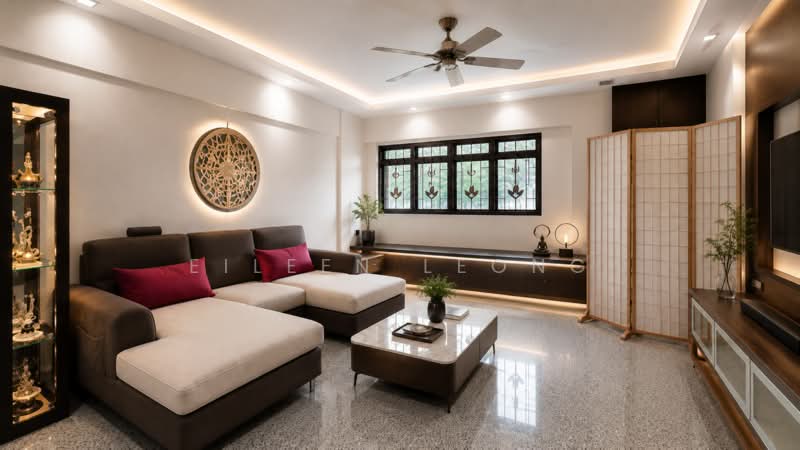
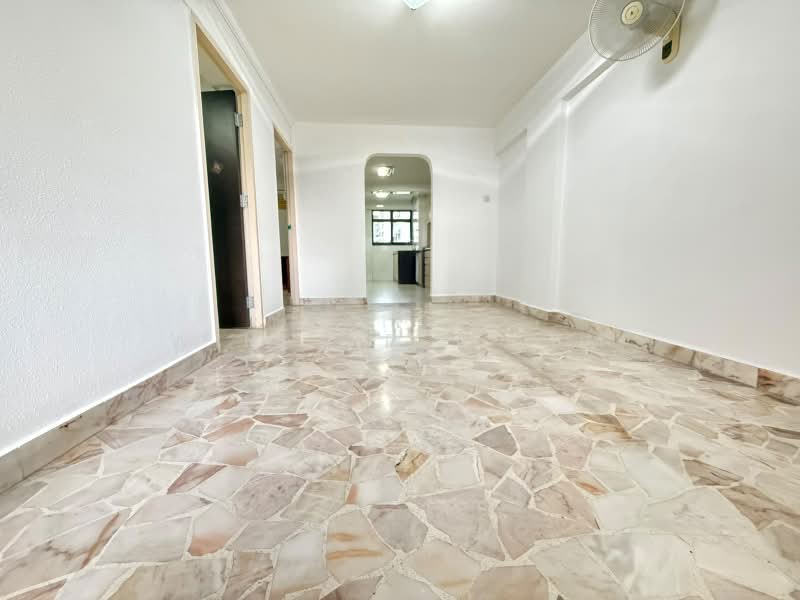
S$ 555,000
207 Ang Mo Kio Avenue 1 · HDB · 14 min (1.14 km) from NS16 Ang Mo Kio MRT Station
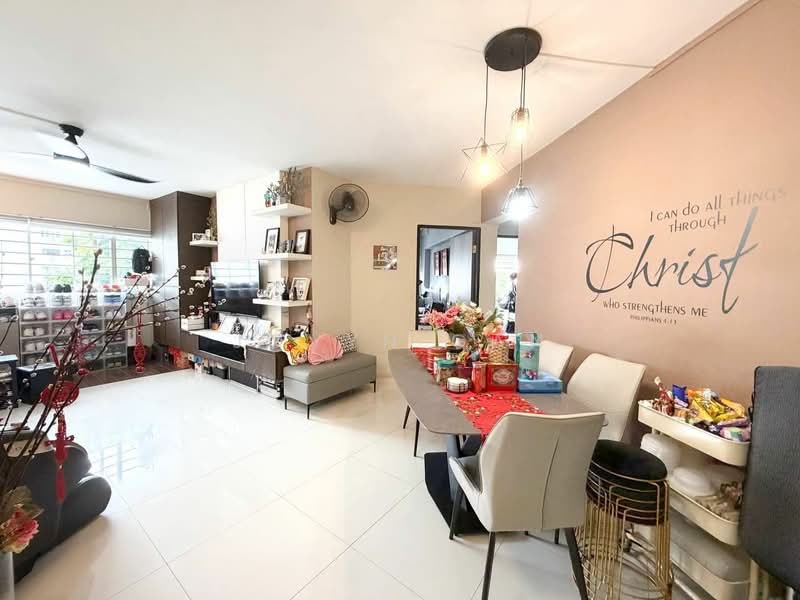
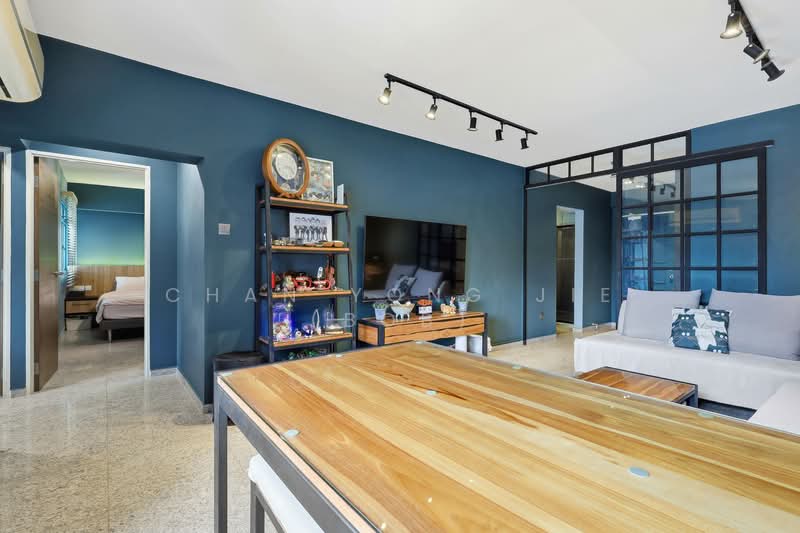
S$ 628,888
137 Lorong Ah Soo · HDB
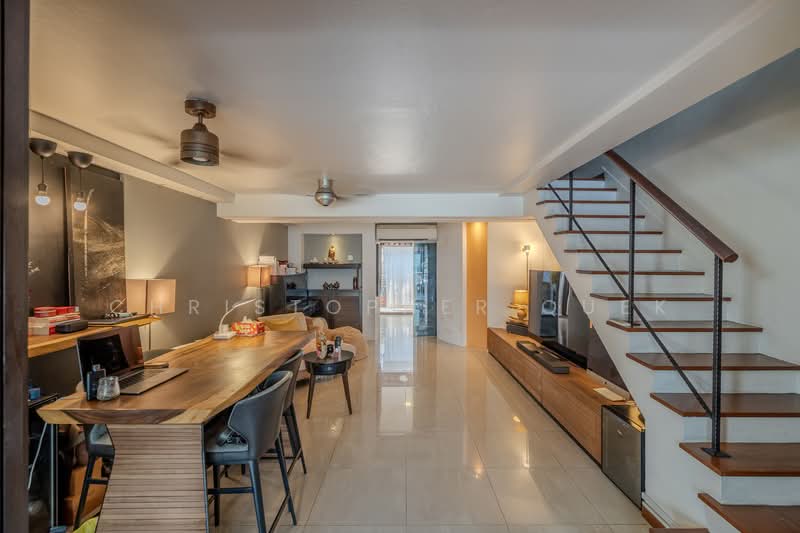
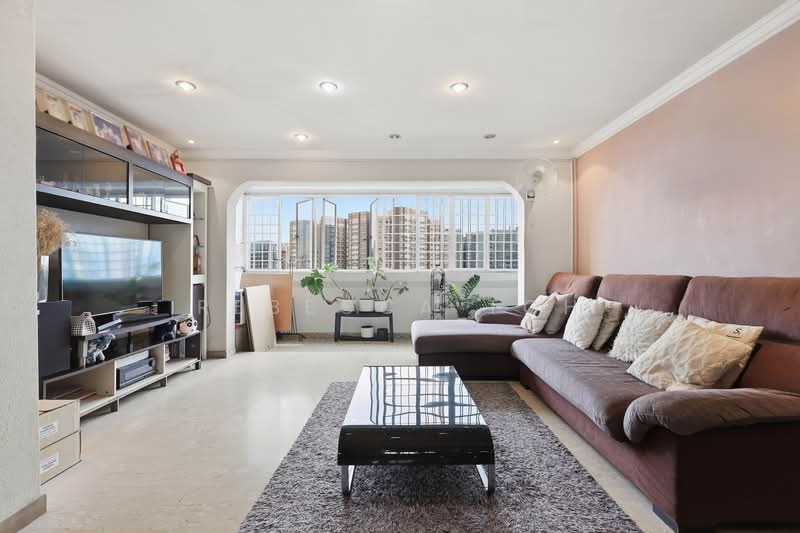
S$ 1,250,000
42 Jalan Bahagia · HDB · 19 min (1.56 km) from NE9 Boon Keng MRT Station
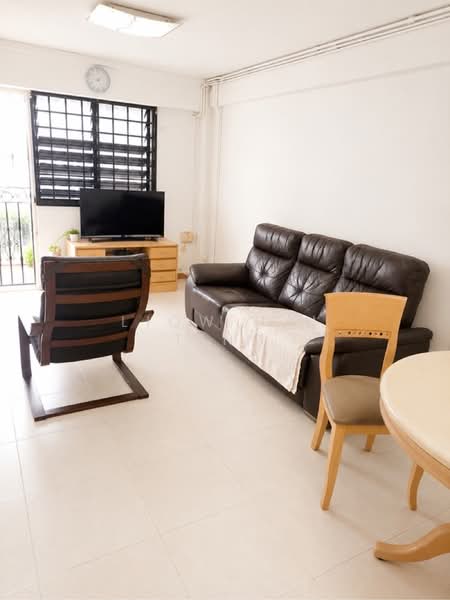
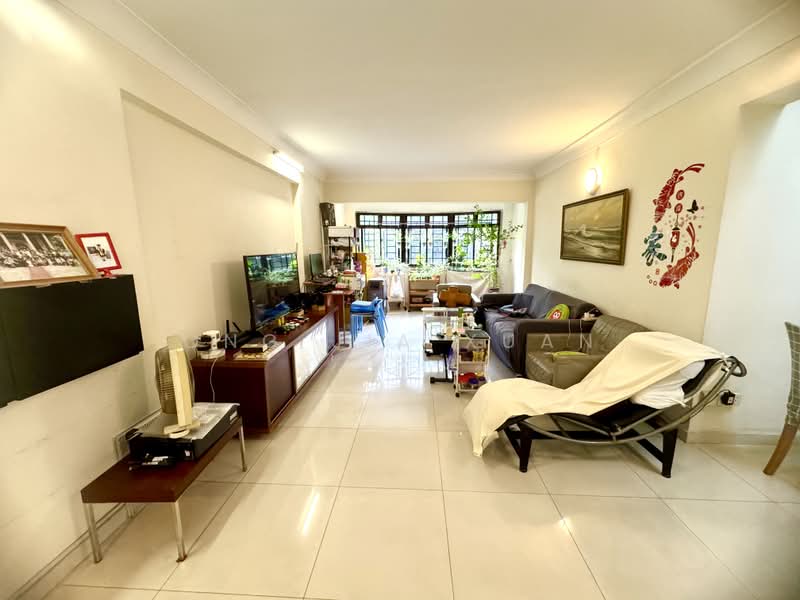
S$ 520,000
8 Empress Road · HDB · 4 min (310 m) from CC20 Farrer Road MRT Station
S$ 419,999
45 Bendemeer Road · HDB · 10 min (870 m) from NE9 Boon Keng MRT Station
S$ 608,000
164B Rivervale Crescent · HDB · 4 min (330 m) from SE2 Rumbia LRT Station
S$ 750,000
266B Punggol Way · HDB · 1 min (70 m) from PW7 Soo Teck LRT Station
S$ 480,000
376 Clementi Avenue 4 · HDB · 4 min (330 m) from EW23 Clementi MRT Station
S$ 980,000
11 Farrer Park Road · HDB · 6 min (470 m) from NE8 Farrer Park MRT Station
S$ 940,000
142 Bukit Batok Street 11 · HDB · 13 min (1.1 km) from NS2 Bukit Batok MRT Station
S$ 558,000
11 Marsiling Drive · HDB · 17 min (1.38 km) from NS8 Marsiling MRT Station
S$ 580,000
418 Woodlands Street 41 · HDB · 8 min (700 m) from NS8 Marsiling MRT Station
The HDB market has shown resilience in 2024, with resale prices stabilising after the cooling measures introduced in December 2021, making this a relatively balanced buyer's market compared to the heated conditions of 2020-2021. Interest rates have begun to moderate, and HDB grants remain generous for first-time buyers, with the Enhanced Housing Grant providing up to S$80,000 for eligible applicants in certain price ranges. However, the market remains selective—flats with excellent MRT proximity and newer leases command premium valuations, whilst older estates or those with significant lease decay face downward pressure, so timing depends largely on your target property profile and financial readiness.
HDB resale prices have appreciated more modestly (approximately 2-5% annually) compared to private condominiums, which have seen stronger gains due to foreign buyer interest and limited new supply. The HDB market has been more defensive, with appreciation concentrated in prime locations such as Ang Mo Kio, Rivervale, and Clementi—areas with strong MRT connectivity—whilst heartland estates have seen flatter or marginal growth. Executive Condominiums (ECs) have similarly outperformed HDB in price growth, though they remain considerably more affordable than private properties, making HDB increasingly attractive for value-conscious buyers who prioritise affordability over capital appreciation.
First-time buyers aged 25-40 remain the primary HDB purchaser demographic, bolstered by grants and the recent expansion of eligibility criteria that now includes singles above 35 years and multi-generational families. Upgraders seeking larger units or better locations constitute a secondary segment, with many moving from 3-room to 4-room or 5-room flats in established estates with superior amenities and MRT access. Young families in the S$400,000-S$700,000 price range seeking proximity to schools, healthcare, and transport hubs represent the most active segment, particularly in estates like Punggol, Woodlands, and the central region, where there is a compelling balance of affordability, family-friendly infrastructure, and future growth potential.
Most HDB flats in the S$400,000-S$650,000 range are accessible to buyers with a 25% down payment and HDB loans capped at 80% LTV (Loan-to-Value), which remain more favourable than bank mortgages that typically max out at 75% LTV and often carry higher interest rates. Mortgage servicing ratios (MSR) are capped at 60% for HDB loans, meaning a buyer with combined household income of S$8,000 monthly can comfortably service a S$500,000 loan without constraint. However, additional costs including stamp duty (S$600-S$15,000 depending on transaction value), legal fees (S$800-S$1,500), and survey fees (S$300-S$500) should be factored into the total acquisition cost, and rising interest rates have modestly compressed buying power, making early-stage financial planning critical.
HDB flats are exempt from Additional Buyer's Stamp Duty (ABSD), which is a significant advantage over private property investors who face 5-20% ABSD depending on citizenship and property count—this is a key factor driving institutional and retail investor interest in HDB resales as a yield-generating asset class. Conveyancing stamp duty on HDB purchases ranges from S$600 on the first S$180,000 to S$15,000 on transactions exceeding S$1 million, scaling progressively, and is considerably lower than private property equivalents, making the total transaction cost substantially more efficient for investors. Investors must be aware that HDB rental policies restrict the lease period remaining (minimum 60 years typically required), and the flat must not be held in a trust or corporate structure, placing HDB investment primarily within the reach of individual and family investors rather than institutional portfolios.
HDB flats typically deliver gross rental yields of 2.5-4.0% depending on location, flat type, and lease tenure, with prime locations like Ang Mo Kio, Clementi, and Bedok commanding the upper end due to high tenant demand and proximity to employment hubs. Vacancy risk for HDB is considerably lower than private condominiums, with most well-located units achieving tenancy within 2-4 weeks due to the large pool of renters seeking affordability and the 7-10 million HDB resident population; however, older estates with significant lease decay (under 60 years remaining) may experience 6-12 week vacancy windows and should be avoided. The tenant base is highly stable—primarily working professionals and families—reducing turnover volatility and bad debt risk, though rental growth is modest at 1.5-2.5% annually, making HDB a defensive rather than aggressive income investment.
Properties within 300 metres (approximately 4 minutes walk) of an MRT station command consistent premiums of 5-12% over similar units 10+ minutes away, with direct station access at ground level providing the strongest valuation uplift, as demonstrated by properties like 266B Punggol Way just 70 metres from Soo Teck LRT and 8 Empress Road at 310 metres from Farrer Road MRT. The 5-10 minute walk band (approximately 400-800 metres) represents the sweet spot for value-conscious buyers, offering modest premiums (2-5%) over more distant units whilst avoiding the price premium of ultra-premium proximity zones. Conversely, properties 15+ minutes from the nearest station (like Jalan Bahagia at 19 minutes) typically experience 10-20% valuation discounts and face extended selling timelines, particularly if car-dependent transportation is unattractive to the target demographic, making MRT proximity arguably the single most significant pricing determinant after flat type and lease tenure.
HDB has committed to building approximately 100,000 new flats over the next decade, with significant launches planned in growth areas including Bukit Merah, Bukit Batok, Tengah, and Punggol, which will add competitive pressure to resale flats in these estates but may also enhance infrastructure and amenity appeal. New Build-to-Order (BTO) launches typically offer 10-15% discounts relative to comparable resale flats, absorbing some buyer demand that would otherwise flow to the secondary market; however, the 4-5 year construction and 5-year Minimum Occupation Period (MOP) create a natural lag, sustaining resale demand from buyers seeking immediate occupation. Established mature estates outside the new development zones (such as Clementi, Ang Mo Kio, and Jurong) are likely to maintain stable or appreciating valuations due to limited new supply and established community infrastructure, whilst intermediate estates competing with new BTO launches may experience modest pricing pressure over the next 3-5 years.
Lease tenure directly impacts both mortgage eligibility and long-term asset value, with HDB loans typically capped at age 65-70 for the borrower or 75-80 years of remaining lease (whichever is earlier), meaning a flat with 55 years remaining may not qualify for financing, rendering it difficult to sell to the broader buyer pool. Properties with less than 70 years remaining lease experience accelerating valuation decay—approximately 3-5% annually—versus flats with 80+ years which appreciate in line with broader market conditions, creating a critical inflection point around the 70-year threshold where buyer demand and financing access sharply contract. A 5-room flat with 40 years remaining lease might realistically achieve only 40-50% of its equivalent value with 90 years remaining, making lease tenure the second-most critical valuation determinant after location; buyers should view flats with 60-75 years remaining as medium-term holds rather than long-term wealth assets.
Buyers must verify the exact lease commencement date (requesting the original lease document) to calculate remaining tenure with precision, confirm the property is not subject to upgrading or conservation restrictions (which can lock in valuations or trigger unexpected costs), and assess structural condition via a professional survey, particularly for flats over 25 years old where defects such as water seepage, concrete spalling, or electrical issues may require costly rectification. Location analysis should extend beyond MRT proximity to include secondary factors such as school zoning (for family buyers), market accessibility, neighbourhood amenities, and proximity to nuisance facilities (markets, heavy traffic roads, industrial areas), which meaningfully impact both resale demand and future tenant availability. Finally, buyers should scrutinise recent comparable transactions within the same block or within 100 metres to validate pricing against true market rates—using IRAS (Inland Revenue Authority of Singapore) transaction data accessible via the HDB website—and seek flats with strong renovation potential and logical layouts rather than units with quirks or inherited renovations that may not align with broader buyer preferences, ensuring the purchase represents genuine value rather than a below-market outlier with hidden liabilities.
Free Property Valuation
Enter your postal code and get a free instant valuation report straight to your inbox.