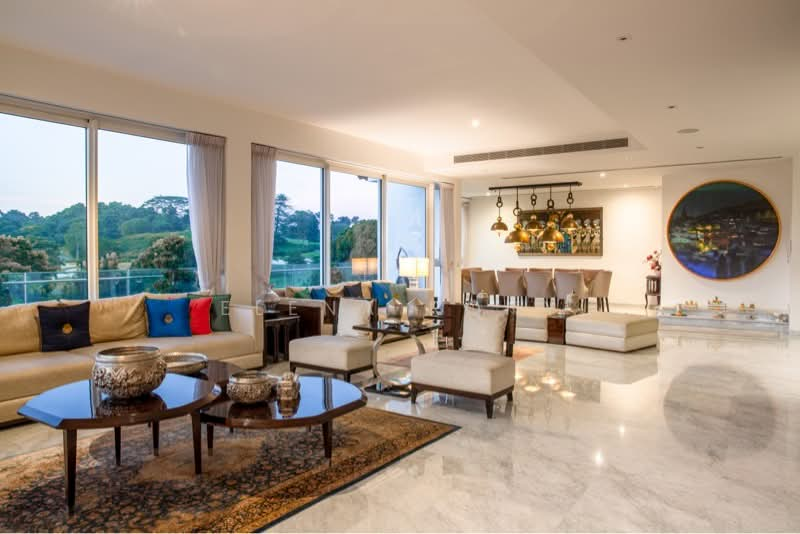
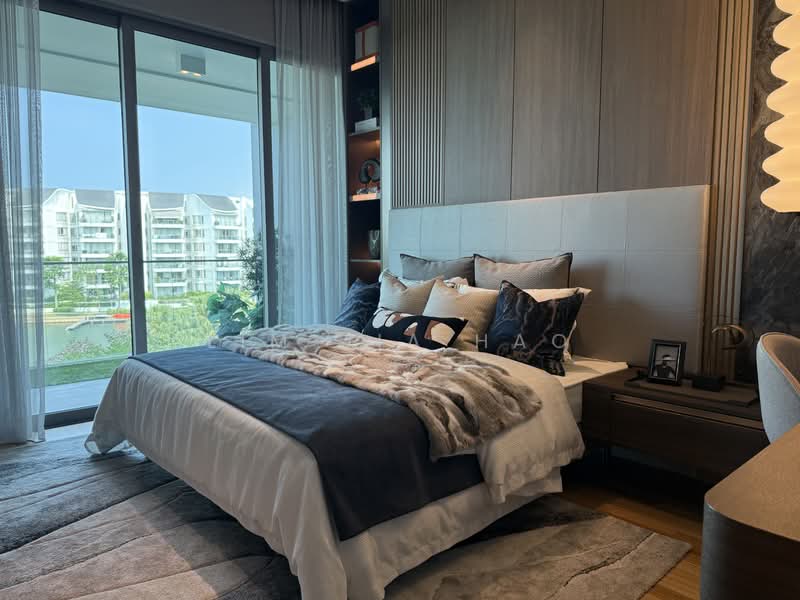
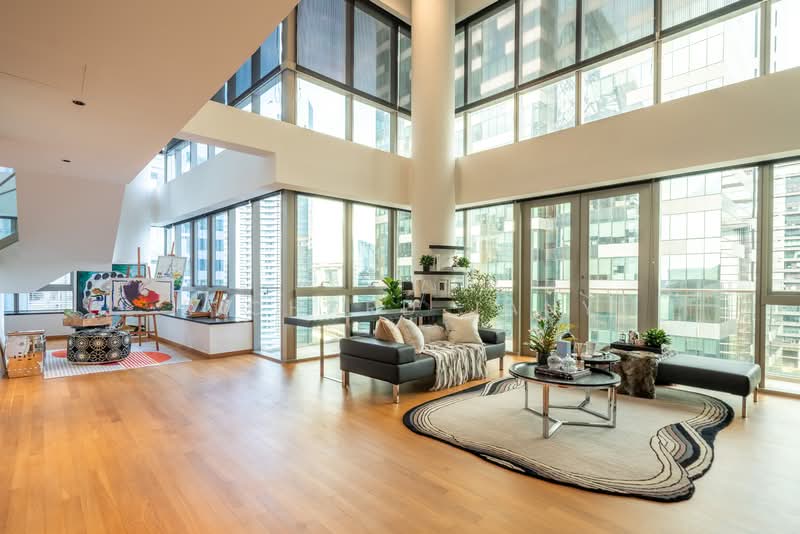
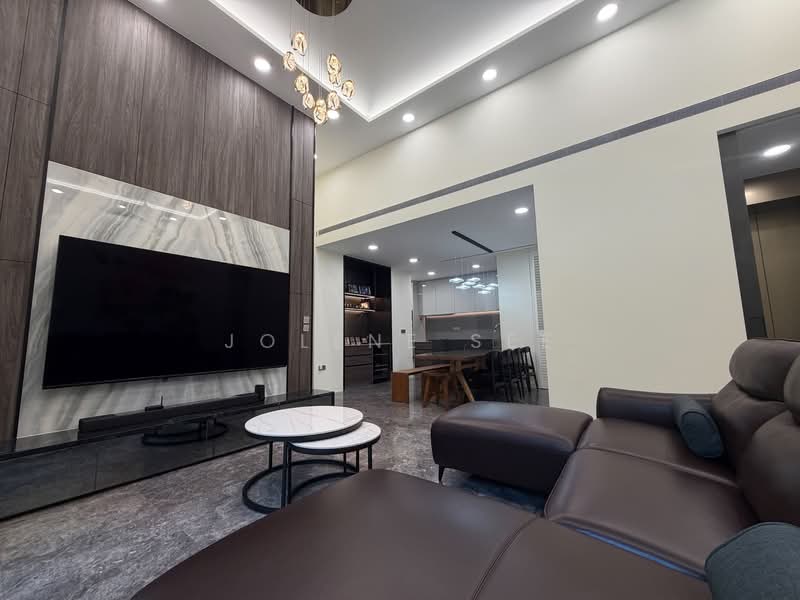
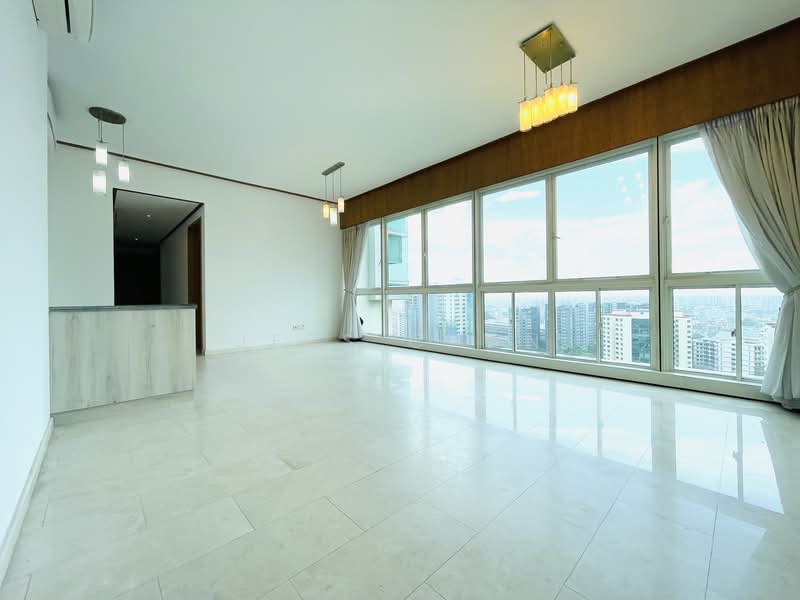
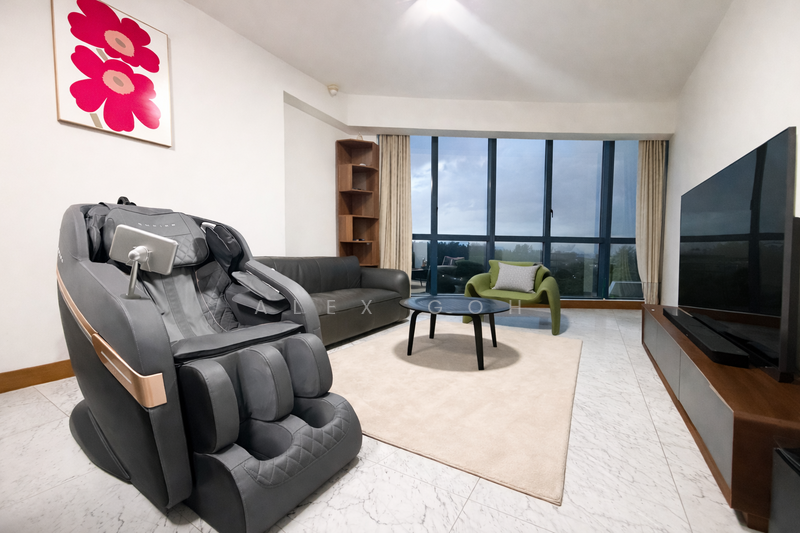
Condominiums represent one of Singapore's most sought-after residential property types, bridging the gap between landed homes and HDB flats. These modern developments offer a unique blend of privacy, amenities, and community living that appeals to diverse buyer and renter profiles across the island.
A condominium is a private residential development comprising multiple units within a single or cluster of buildings. Unlike HDB flats, which are public housing, condos are private properties typically managed by professional management teams. Residents enjoy exclusive access to shared facilities whilst maintaining individual ownership of their units and proportional ownership of communal spaces.
Singapore's condo developments range from intimate 50-unit complexes to sprawling communities with over 1,000 units. Architectural styles vary dramatically, from contemporary minimalist designs to tropical garden-inspired layouts. Most developments adhere to Urban Redevelopment Authority (URA) planning guidelines, ensuring harmonious integration with surrounding neighbourhoods.
One of the primary attractions of condominium living is access to premium facilities. Standard offerings include 24-hour security with CCTV surveillance, swimming pools, fitness centres, and multipurpose function rooms. Many developments feature basketball courts, tennis courts, meditation gardens, and children's playgrounds.
Contemporary developments increasingly incorporate smart home technology, electric vehicle charging stations, and sustainable building features. Concierge services, parcel management systems, and digital access controls streamline daily living. Some prestigious developments include restaurants, retail shops, and co-working spaces within their compounds.
These amenities significantly enhance lifestyle quality whilst maintaining property values. Residents benefit from curated community events, from festive celebrations to wellness programmes and social networking opportunities.
Orchard and Surrounding Districts
The Orchard area remains Singapore's most prestigious residential zone. Proximity to world-class shopping, dining, and entertainment makes this district exceptionally desirable. Condos here command premium pricing, typically ranging from $1.8m to $3m+ for three-bedroom units. Transport connectivity via MRT lines ensures seamless access to business districts and CBD areas. Investment potential remains strong due to consistent rental demand from expatriates and corporate tenants.
Marina Bay and Downtown Core
Ultra-modern developments cluster around Marina Bay, offering iconic skyline views and unparalleled convenience. This area appeals to professionals working in the CBD, with walking distance access to offices, restaurants, and recreational facilities. Condo prices here range from $1.5m to $2.8m, reflecting premium positioning and lifestyle appeal. Limited land availability ensures consistent value appreciation.
Bukit Timah and Central Region
Bukit Timah combines suburban tranquility with urban accessibility. Tree-lined streets, proximity to nature reserves, and prestigious schools attract families seeking balanced living. Condos in this region typically cost $1.2m to $2.2m, offering better value than central areas whilst maintaining strong fundamentals. The neighbourhood appeals to long-term owner-occupiers and quality-conscious renters.
East Coast and Coastal Precincts
East Coast locations offer beachside living with relaxed vibrancy. Younger professionals and families appreciate waterfront amenities, cycling paths, and recreational facilities. Condo pricing ranges from $900k to $1.8m depending on proximity to the coast and local development density. This region experiences steady appreciation as transport links improve.
Singapore condos operate under two primary tenure systems. Freehold properties grant indefinite ownership rights, offering maximum flexibility and inheritance benefits. These command premium pricing but provide ultimate security. Leasehold properties typically feature 99-year or 999-year leases from land purchase inception. Most leasehold condos still offer excellent value, particularly in mid-tier locations where 60+ years of lease remain.
Understanding lease maturity is crucial for investment decisions. IRAS property valuation guidelines factor lease length into assessments, influencing both purchase prices and rental yields. Buyers should consult legal advisors regarding lease sustainability and future resale implications.
Condo pricing reflects multiple variables: location prestige, amenity quality, developer reputation, unit size, floor level, and view orientation. A typical two-bedroom unit might cost $1.2m in emerging areas but $2.5m+ in prime districts. Monthly rental yields typically range from 2-4% depending on location and market conditions.
Investment-grade condos demonstrate consistent capital appreciation, particularly in established districts with limited new supply. Proximity to educational institutions, transport nodes, and commercial zones creates sustained demand. First-time buyers often view condominium ownership as stepping-stone investments before upgrading to landed properties.
Condominium living suits professionals valuing convenience, families seeking secure communities, and investors pursuing rental income. The management corporation handles maintenance, security, and common area upkeep, eliminating concerns about building repairs that landed property owners typically manage.
Community dynamics vary significantly between developments. Established condos with mixed demographics develop vibrant social scenes, whilst newer developments may require time to build community bonds. Family-oriented complexes typically organise children's activities and parent networks, enhancing social cohesion.
Noise levels and privacy considerations depend partly on building density and architectural design. Well-designed developments employ soundproofing, vegetation buffers, and strategic orientations to minimise disturbances. Residents should physically visit properties during peak hours to assess ambient conditions.
Condo ownership operates under Singapore's Building Maintenance and Strata Management Act. All developments must establish management corporations (MCs) overseeing maintenance, levies, and reserve funds. First-time property buyers should understand management fee implications, typically ranging from $300 to $800 monthly depending on facility scale and development size.
Reserve fund contributions ensure long-term building sustainability. Developers are legally obligated to establish these funds for major maintenance, renovations, and unforeseen structural issues. Transparent management corporations publish annual accounts and planning documents accessible to residents.
Purchasing a condo involves similar processes to apartment acquisitions, including property searches, viewings, negotiation, and legal conveyancing. Most buyers engage property agents familiar with specific developments, ensuring comprehensive market knowledge and transaction support.
Rental condos appeal to professionals with uncertain tenure, requiring flexibility without long-term commitments. Rental yields attract investor interest, particularly for well-located developments with consistent tenant demand. Furnished units command premium rentals, particularly in expat-focused locations.
Singapore's condo landscape increasingly emphasises sustainability, wellness amenities, and technological integration. Upcoming developments prioritise green building certifications, rainwater harvesting, and solar capabilities. Co-living spaces, yoga studios, and digital-first facilities reflect evolving resident preferences, particularly among younger demographics.
Limited new condo launches maintain scarcity value, supporting long-term appreciation. Government planning policies encourage higher-density urban living, ensuring continued condominium relevance within Singapore's residential ecosystem.
Whether purchasing for owner-occupation, investment, or rental purposes, Singapore's condominium market offers diverse opportunities across price points and locations. Thorough research, professional guidance, and clear financial planning ensure informed decisions aligned with personal aspirations and financial objectives.
834 properties in Condo
S$ 8,600,000
51 Cove Drive · Condo
S$ 3,118,800
1 Ocean Way · Condo
S$ 13,727,000
1 Shenton Way · Condo · 3 min (230 m) from TE19 Shenton Way MRT Station
S$ 7,200,000
19 Nassim Hill · Condo · 6 min (490 m) from TE12 Napier MRT Station
S$ 1,550,000
150 Mariam Way · Condo
S$ 918,888
Condo · 10 min (800 m) from CR9 Serangoon North MRT Station
S$ 4,080,000
37 Bukit Batok East Avenue 6 · Condo
S$ 6,320,520
4 Draycott Park · Condo · 12 min (970 m) from NS22 Orchard MRT Station
S$ 2,930,000
175 Tanjong Rhu Road · Condo · 1 min (120 m) from TE23 Tanjong Rhu MRT Station
S$ 3,460,000
70 Mei Hwan Drive · Condo · 9 min (760 m) from CC14 Lorong Chuan MRT Station
S$ 2,930,000
175 Tanjong Rhu Road · Condo · 1 min (120 m) from TE23 Tanjong Rhu MRT Station
S$ 1,908,888
984 Upper Serangoon Road · Condo · 4 min (350 m) from NE13 Kovan MRT Station
The Singapore condo market in 2024 remains relatively stable with prices hovering near historical highs, though transaction volumes have moderated from the peak pandemic-era activity. Interest rates from HDB Housing Grants and private financing have stabilised, making affordability more predictable for buyers compared to the rapid hikes of 2022-2023. Now represents a reasonable entry point for owner-occupiers seeking long-term appreciation, though investors should carefully assess rental yields and vacancy risks before committing capital, as the market is no longer in the rapid appreciation phase of 2020-2021.
Condominiums have significantly outpaced HDB resale price growth, appreciating approximately 15-20% since 2021, whilst HDB prices grew at a more modest 8-12% over the same period. Prime location condos near MRT stations (such as those under 5 minutes' walk) have appreciated faster than suburban developments, reflecting the market's strong preference for connectivity and convenience. The price divergence reflects condos' superior amenities, freehold or longer lease tenure, and appeal to both local upgraders and foreign buyers, positioning them as a premium asset class within Singapore's residential spectrum.
Condominiums appeal primarily to owner-occupiers aged 35-55 seeking an upscale lifestyle with extensive facilities (swimming pools, gyms, function rooms) and professional property management without the maintenance burden of landed properties. Young professionals and expatriates also favour condos for their flexibility, as the shorter lease tenure (typically 99 years for newer builds) allows for easier exit strategies and rental viability compared to the 30-year diminishing lease of older HDB flats. Additionally, investors targeting short-to-medium term rental yields (typically 3-4% gross) benefit from the condo market's deeper tenant demand and premium rental rates compared to comparable HDB or landed alternatives.
At the S$2-3 million price point, buyers face strict loan eligibility criteria, as most banks cap loan-to-value ratios at 75-80% for condos (compared to 90% for HDB), requiring substantial downpayments of S$400,000-S$750,000 to avoid cash-flow strain. Debt servicing ratios (typically capped at 60% of monthly income) mean that buyers need a combined household income exceeding S$200,000 annually to qualify for financing on units above S$2.5 million, effectively narrowing the buyer pool to upper-middle-class households. Interest rate risk is also material; a 1% rise in mortgage rates increases monthly repayments on a S$2 million loan by approximately S$800-1,000, making buyers vulnerable if rates continue their upward trajectory.
Foreign investors and Singapore citizens purchasing a second or subsequent condo pay ABSD at rates of 15-20% (on top of base stamp duty of 4%) depending on citizenship and property count, effectively increasing total acquisition costs by S$300,000-S$680,000 on a S$2 million purchase. Singaporean upgraders purchasing a second condo while retaining an existing property face 15% ABSD, whilst first-time buyers enjoy exemption but lose access to HDB benefits (if applicable). These substantial stamp duty costs significantly compress returns for investors and should be incorporated into break-even analysis; a property must appreciate 8-10% within 5 years just to offset ABSD and financing costs, before factoring in opportunity costs or foregone rental yield.
Prime location condos (within 5-10 minutes of MRT stations) typically achieve gross rental yields of 3.5-4.5%, whilst secondary-location condos yield 2.5-3.5%, both figures comfortably below the 5-6% returns available from earlier-stage developments or suburban markets. Vacancy risk varies considerably by location; CBD-adjacent condos (like those in Ang Mo Kio or Buona Vista) experience vacancy rates of 5-8%, whilst prime district condos (District 9-10, around Marina Bay or Orchard) face tighter demand with 3-5% vacancy despite premium positioning. Investors should account for a 15-20% annual cost buffer (management fees, maintenance, insurance, and downtime between tenants), effectively reducing net yield to 2.8-3.6%, which aligns with Singapore's low-risk asset returns and suggests condos are better suited for capital appreciation than income generation.
Condos within 5 minutes' walk of an MRT station command a 15-25% valuation premium over equally-sized units 15-20 minutes away, with the most pronounced premiums in central areas where alternative transport is limited. The rental demand differential is equally stark; units near major transport nodes (like Dakota MRT for Grand Dunman, or Ang Mo Kio MRT for Centro Residences) can achieve 100% occupancy with 3-4 week lease negotiations, whilst units 20+ minutes from MRT face 8-12 week vacancy cycles and downward rental pressure. For long-term investors, MRT proximity is a crucial factor because it provides resilience against market downturns, attracting both owner-occupiers and tenants regardless of economic conditions, whilst remote condos become vulnerable during market corrections.
Approximately 15,000-18,000 private residential units are expected to complete over the next 2-3 years, with concentrated supply in emerging districts (Ang Mo Kio, Buona Vista, Clementi) where several large projects are under construction or in early phases. This pipeline creates a two-tier market dynamic: new launches typically offer competitive pricing and higher accessibility (near future MRT extensions or transport hubs), which puts pricing pressure on ageing condos in the same vicinity, particularly those over 15 years old lacking major renovation. Existing condo owners should monitor development announcements in their locality; new supply within 1-2km radius can suppress resale values by 5-8% within 12-24 months post-launch, whilst existing condos with superior location (closer to CBD or premium districts) prove more resilient due to scarcity of alternative sites.
Most condos in Singapore's core districts are built on 99-year leases (with older developments on 103-year or freehold titles), which are considered minimally impactful for buyers with 20-30 year holding horizons, but become material concerns for long-term holders beyond 40+ years when lease decay begins affecting mortgage access and end-buyer confidence. Freehold or 999-year leasehold condos (rare, typically in premium areas) command 8-12% price premiums over 99-year leasehold equivalents, reflecting their perpetual value retention and unfettered refinancing capabilities, though they remain niche and expensive. Practical implication: buyers should avoid overpaying for condos with leases below 80 years remaining, as banks begin restricting loan tenure and valuers apply discount factors, effectively crystallising losses; conversely, new launches with full 99-year terms offer optimal financing flexibility and long-term optionality for both sale and rental strategies.
Beyond basic metrics (price, size, MRT distance), buyers must examine the condo's sinking fund reserves (minimum 10% of annual expenditure is prudent; under-funded reserves trigger unexpected special levies of S$10,000-50,000+), property tax history (indicating management quality), and developer reputation (developments by major builders like CapitaLand or Far East organisation rarely face structural issues, whereas smaller developers may face delayed completion or poor maintenance). Unit-specific inspection should include structural soundness (cracks in walls or separation from frames), water pressure and drainage reliability (common issues in older condos), and parking lot adequacy; absent or limited visitor parking reduces rental appeal and resale flexibility, particularly for families or investors. Finally, cross-reference the building's planned maintenance roadmap for the next 5-10 years (facade restoration, window replacement, lift upgrading); condos requiring major works within 3-5 years will face special levies and construction disruption, depressing rental yields and making the property less attractive to future buyers, so buyers should discount units in poorly-maintained developments by 5-10% to account for imminent costs.
Free Property Valuation
Enter your postal code and get a free instant valuation report straight to your inbox.