1,059 properties in Expired
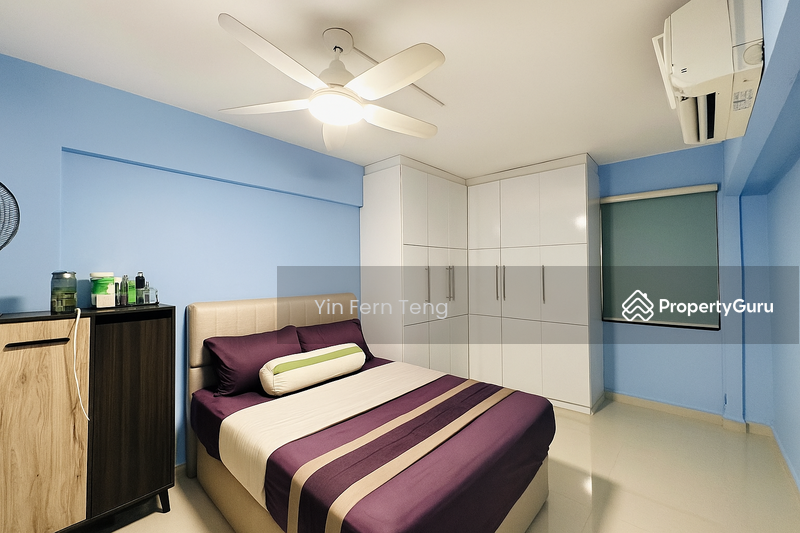
S$ 629,999
339A Sembawang Close · HDB · 8 min (690 m) from NS11 Sembawang MRT Station
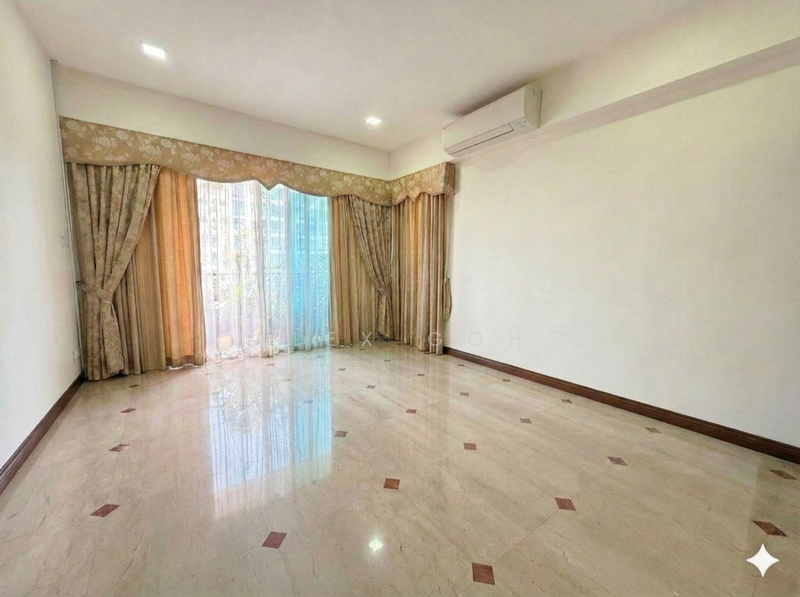
S$ 588,000
984B Buangkok Link · HDB
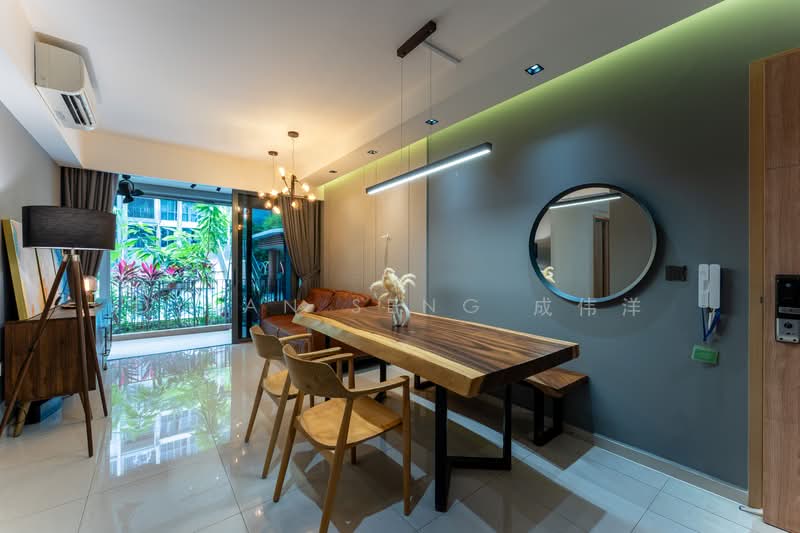
S$ 1,049,999
8 Hillview Rise · Condo · 4 min (360 m) from DT3 Hillview MRT Station
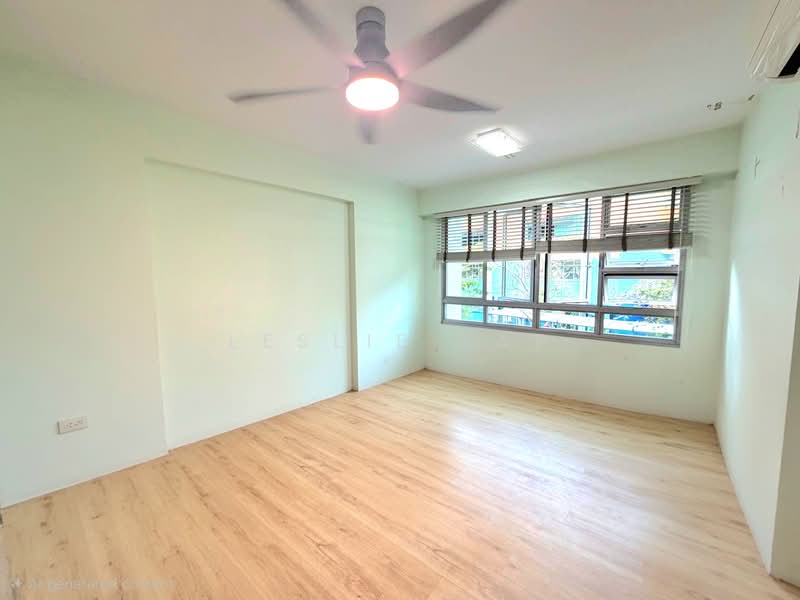
S$ 788,000
181 Jelebu Road · HDB · 4 min (340 m) from DT1 Bukit Panjang MRT Station
S$ 2,900,000
201 Tanjong Rhu Road · Condo · 4 min (350 m) from TE23 Tanjong Rhu MRT Station
S$ 648,000
357B Admiralty Drive · HDB · 4 min (360 m) from NS11 Sembawang MRT Station
S$ 1,870,000
270 Yio Chu Kang Road · Condo · 12 min (990 m) from CR9 Serangoon North MRT Station
S$ 688,000
591A Ang Mo Kio Street 51 · HDB · 6 min (540 m) from NS16 Ang Mo Kio MRT Station
S$ 2,997,000
145A Sunrise Terrace ·
S$ 8,600,000
51 Cove Drive · Condo
S$ 3,118,800
1 Ocean Way · Condo
S$ 13,727,000
1 Shenton Way · Condo · 3 min (230 m) from TE19 Shenton Way MRT Station
Expired listings often represent properties that were listed at unrealistic prices or lacked effective marketing, creating opportunities for savvy buyers to negotiate better deals with motivated sellers. Many of these properties have been re-listed at more competitive price points after the initial listing period, particularly in the current market where buyer sentiment has shifted toward value. Agents managing expired listings are frequently more flexible on terms and willing to facilitate quicker transactions, which can be advantageous in Singapore's fast-moving property market where opportunities can disappear rapidly.
An expired listing typically indicates the property failed to sell within the standard 90-day marketing period, which usually signals a pricing mismatch relative to current market conditions or property defects that deterred buyers. Sellers who re-list these properties often reduce their asking prices by 3–8% to improve competitiveness, reflecting genuine market corrections particularly evident in the condominium segment where supply remains elevated. Understanding why a property expired—whether due to overpricing, poor condition, or market timing—is crucial for assessing whether the new asking price represents genuine value or merely cosmetic adjustments.
The current market presents a compelling opportunity for buyers exploring expired listings, as sellers have become more realistic about pricing following periods of market stagnation, particularly in the mass-market HDB and non-prime condominium segments represented in your sample listings. Interest rate stability and the absence of aggressive cooling measures mean financing conditions remain favourable for qualified buyers willing to negotiate, whereas earlier years saw speculative pricing that contributed to many listings expiring. However, expired listings in prime locations like Keppel Bay and Dunearn remain competitive despite their history, suggesting location fundamentals ultimately overcome listing status—buyers should focus on value relative to comparable active listings rather than assuming all expired stock offers superior deals.
Properties within 5 minutes' walk of an MRT station (approximately 400 metres) demonstrate significantly higher re-listing velocity and price resilience, as evidenced by your sample's strong performance near Clementi, Rumbia LRT, and Bedok North stations where expired listings retain competitive positioning. Conversely, expired properties without listed MRT proximity face steeper discounts upon re-listing, as the absence of public transport connectivity becomes a critical barrier during active market conditions when buyers can be selective. The variance in MRT impact is most pronounced in the HDB segment, where Rivervale Crescent (4 minutes to Rumbia) and Punggol Way (1 minute to Soo Teck LRT) command premiums that often buffer against the negative implications of expired status.
Expired properties that have been repriced can often deliver superior rental yields (typically 2.5–3.5% gross yield) compared to newly listed comparable properties, particularly in the condominium segment where re-listed units may be 5–10% cheaper than comparable active stock. However, investors must investigate the cause of expiration, as properties with structural issues, management problems, or poor tenant turnover histories may face higher vacancy risk (15–20%) that undermines yield calculations. HDB flats in well-connected areas like your Punggol and Clementi samples typically maintain rental appeal regardless of listing history, with gross yields of 2–2.8%, whilst expired condominiums may carry hidden vacancy premiums that savvy investors can exploit through targeted lettings strategies.
ABSD implications remain unchanged for expired listings—foreign investors and Singapore permanent residents purchasing a second property still face 15% duty on the first $180,000 plus 10% on amounts above, with rates escalating for subsequent purchases—so the expired status provides no tax advantage. However, the lower purchase prices frequently associated with re-listed expired properties may result in absolute ABSD savings; for example, a condominium re-listed at S$2.4 million versus original S$2.7 million pricing saves approximately S$30,000 in ABSD for a foreign buyer. Stamp duty on the actual purchase price remains progressive, making the valuation correction from expired status to re-listing particularly valuable for investors, though they should factor potential capital appreciation risk given these properties may take longer to appreciate compared to active-market purchases.
Expired HDB listings often represent flats with 70–85 years remaining on their 99-year lease, a critical factor that contributed to their initial expiration as buyers became increasingly lease-conscious; verification of residual tenure is absolutely essential before purchase as financing becomes restricted below 70 years remaining. For condominiums like your Riviere and Dunearn House samples, lease tenure is typically 99 years but should be explicitly confirmed, as expired status may mask underlying structural or lease-related issues that initially deterred buyers—particularly relevant for units approaching 40+ years old where major upgrading liabilities emerge. HDB properties expiring whilst approaching the 70-year lease threshold frequently re-list at steeper discounts (8–12%) than comparable flats with longer tenures, creating pricing opportunities for upgraders willing to accept shorter-term ownership horizons.
The recent completion of major condominium projects and continued HDB launches mean expired properties face intensifying competition from new supply, particularly in the Clementi, Bedok, and Punggol regions where your sample listings are concentrated and multiple new developments are completion-ready. This supply pressure supports the re-pricing thesis for expired listings, as developers' new launch pricing often establishes market benchmarks that force older expired stock to adjust downward to remain competitive. However, prime locations like Keppel Bay benefit from limited upcoming supply in their micro-markets, meaning expired listings there retain pricing resilience and may re-list at smaller discounts—suggesting location and scarcity remain more determinative than expiration status.
Investors with strong analytical capabilities seeking value opportunities are the optimal buyer profile for expired listings, as they can identify properties where re-pricing has created yield advantages (typically 0.3–0.6% premium over comparable active stock) or where specific defects are remediable at reasonable cost. Owner-occupiers upgrading from HDB to condominium representation in the S$2.5–3.5 million range often find re-priced expired listings align with their budgets whilst offering negotiation flexibility unavailable in active-market transactions. Tenants seeking rental properties benefit indirectly when investors acquire expired listings at discounts, as these savings often translate to more competitive rental pricing; the HDB rental segment particularly shows this dynamic, with properties at Punggol and Clementi frequently offered at 2–3% below comparable newly-listed units.
Request explicit documentation of the property's previous marketing efforts, price trajectory, and reasons for expiration—evasive responses should trigger deeper investigation into structural defects, management disputes, or hidden title issues that may have deterred the original buyer pool. Conduct enhanced title searches and strata inspections for condominiums, as many expired listings carry latent defects (water seepage, structural cracks, or unresolved renovation disputes in the buildings) that contributed to their market failure; budget an additional S$1,500–2,500 for specialist surveys beyond standard conveyancing checks. Request rental history and tenant feedback for multi-unit buildings, as consistent vacancy in a re-listed property may indicate management deficiencies or neighbourhood factors that fundamentally undermine valuation—comparing days-on-market data with comparable active listings in the same building is a critical calibration point that separates genuine value opportunities from structural problem properties.
Free Property Valuation
Enter your postal code and get a free instant valuation report straight to your inbox.