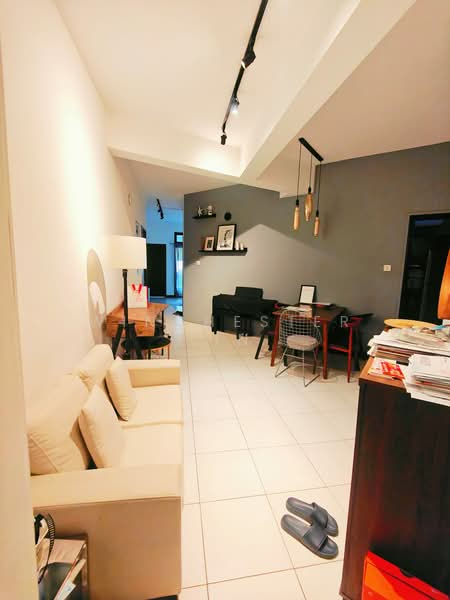
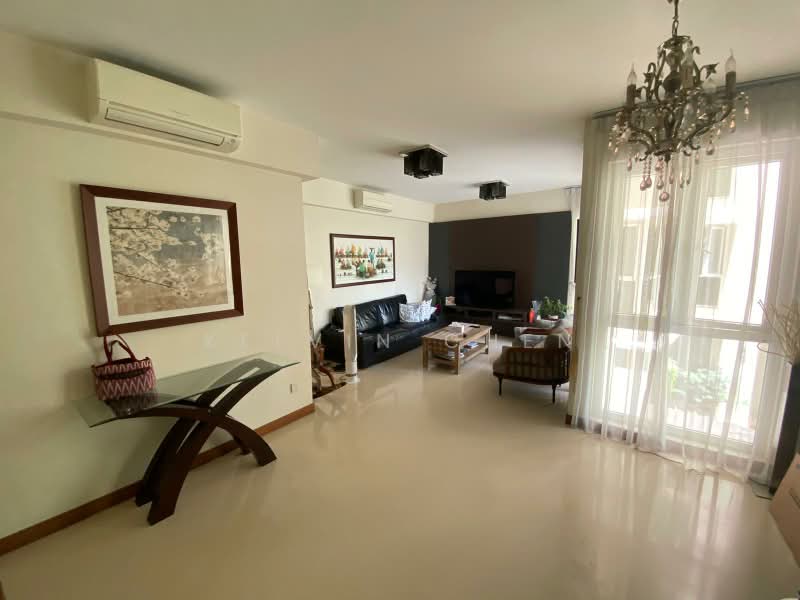
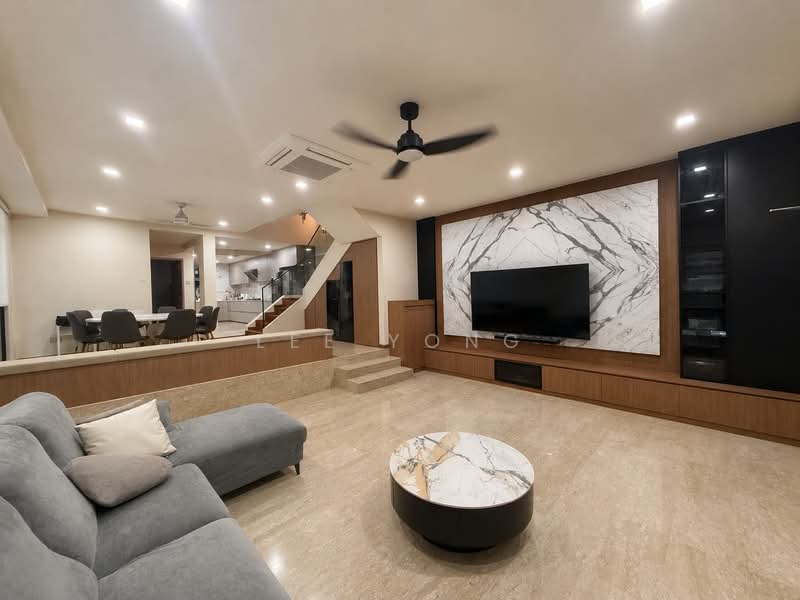
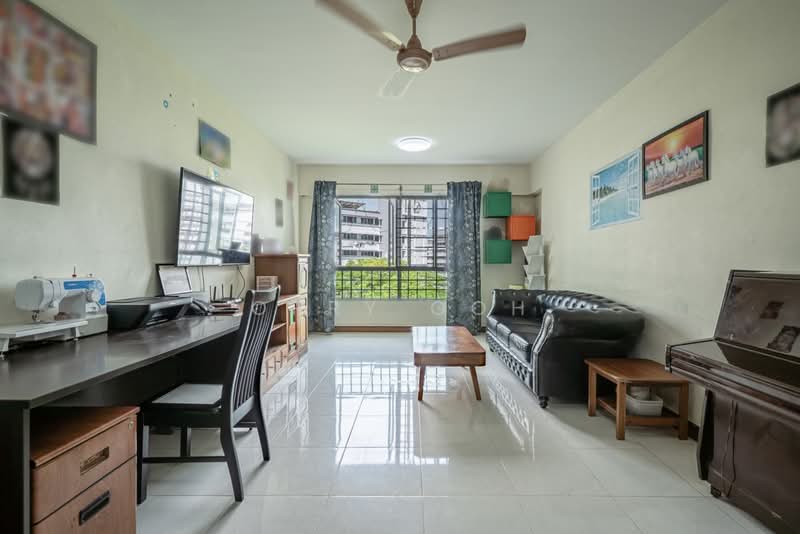
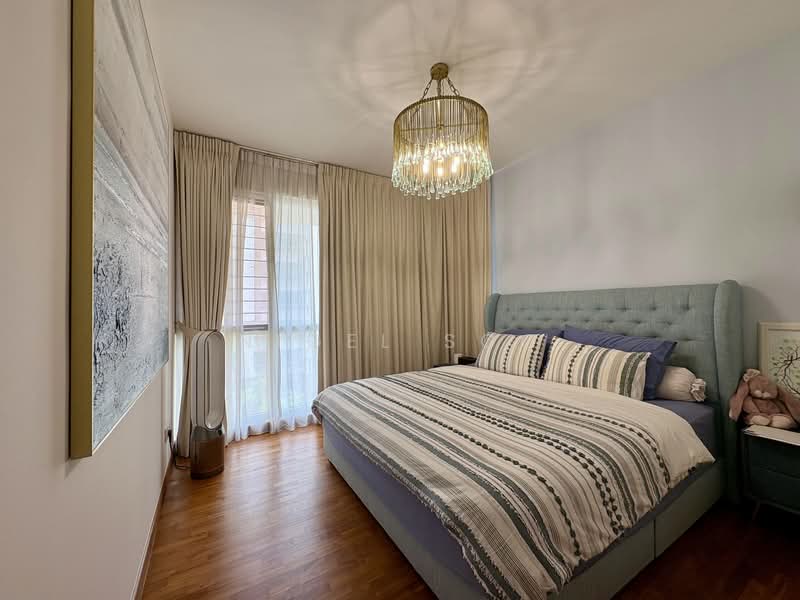
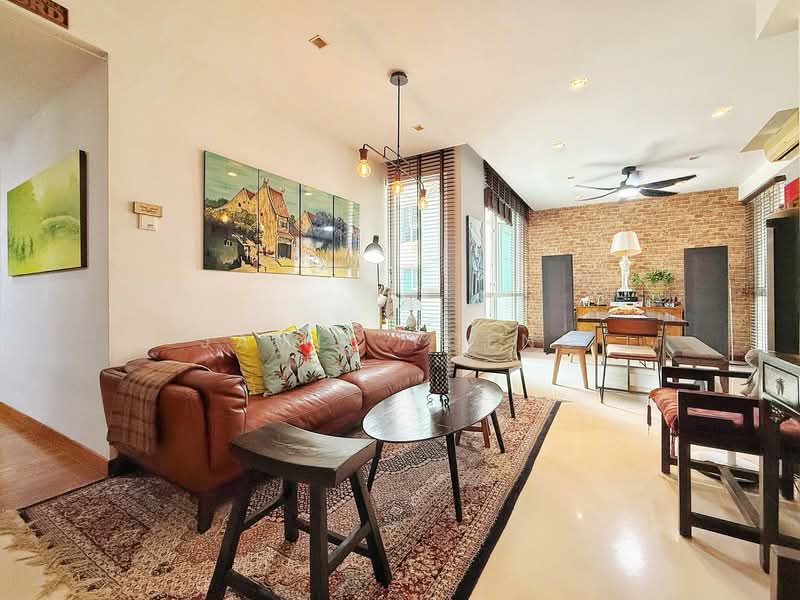
6 properties in Upper Changi MRT
S$ 1,600,000
730 Upper Changi Road East · Condo · 6 min (500 m) from DT34 Upper Changi MRT Station
S$ 1,848,000
51 Simei Rise · Condo · 21 min (1.74 km) from DT34 Upper Changi MRT Station
S$ 3,498,888
Sunbird Avenue , sunbird road , sunbird circle · · 8 min (650 m) from DT34 Upper Changi MRT Station
S$ 1,458,888
28 Simei Street 1 · Condo · 12 min (1.04 km) from DT34 Upper Changi MRT Station
S$ 1,568,000
49 Simei Rise · Condo · 21 min (1.74 km) from DT34 Upper Changi MRT Station
S$ 1,450,000
31 Simei Rise · Condo · 21 min (1.74 km) from DT34 Upper Changi MRT Station
The Upper Changi MRT area is experiencing moderate growth as part of Singapore's broader eastern corridor development, with the Downtown Line extension providing improved connectivity to the city centre. Current listings show a healthy price range from S$1.45 million to S$3.5 million, indicating diverse options across the affordability spectrum, though the limited number of listings (6 total) suggests a relatively niche market segment. Buyers should consider that the station opened in 2024, meaning the area is still in its early growth phase—typically a favourable entry point before property values appreciate significantly with improved infrastructure maturity and increased amenities.
Properties near Upper Changi MRT are positioned in the mid-to-upper range for the eastern corridor, with condominium prices clustering around S$1.4–1.85 million, which compares favourably to more established areas like Simei while remaining below premium zones like Marine Parade. The price differential is primarily driven by newness of the station, with early-mover investors benefiting from lower entry points before the area matures—a pattern consistent with previous MRT station launches in Singapore. Unlike zones with 20+ year-old stations, Upper Changi properties may experience stronger price appreciation over the next 3–5 years as the infrastructure effect takes hold.
The ideal buyer for this area comprises young professionals and emerging families seeking efficient commutes to the CBD via the Downtown Line, coupled with more spacious living compared to city-fringe condominiums at similar price points. Investors also represent a significant portion, as the area attracts buy-to-let investors targeting rental yields from tenants who prioritise modern infrastructure, family-friendly neighbourhoods, and growing amenities without central zone premiums. Empty-nester couples downsizing from landed properties also favour this area, evidenced by the presence of semi-detached houses like Sunbird Park alongside condominiums, offering a transitional housing option.
At the median price point of approximately S$1.6 million for condominiums, buyers require a minimum down payment of 25% (S$400,000) with most banks offering 75% LTV financing over 25–30 year tenures, resulting in monthly mortgage payments of roughly S$5,500–6,500 at current interest rates of 3.5–4%. Buyers earning S$14,000–16,000 monthly (approximately S$168,000–192,000 annually) comfortably meet debt service ratio requirements of 60%, making this segment accessible to upper-middle-income households—a broader demographic than premium central zones. The presence of semi-detached house listings at S$3.5 million further illustrates the area's versatility, though such acquisitions typically require stronger financial credentials and are more commonly purchased by established investors or multiple-property owners.
As this is not a designated non-landed residential property in a restricted area, first-time investor purchasers typically face 5% Additional Buyer's Stamp Duty (ABSD) on purchases of residential properties, whilst second property acquisitions trigger the 15% rate—significantly higher than primary residence ABSD at 5%. Stamp duty on a S$1.6 million purchase ranges from S$24,100–28,100 depending on the precise transaction value, with investors needing to account for these costs totalling approximately 20–23% of purchase price (including legal and agent fees). For investors planning to hold beyond 5 years to allow ABSD reclaim eligibility, the relatively new status of Upper Changi properties presents an opportunity to capture early appreciation before triggering additional holding taxes—a key consideration in the investment thesis for this emerging location.
Properties near Upper Changi MRT can achieve gross rental yields of 3–3.8% annually, positioning them favourably against many central and fringe districts, with a S$1.6 million unit commanding approximately S$4,000–4,500 monthly rental income from quality tenants seeking modern estates with MRT proximity. Vacancy risk is moderately low due to strong demand from young professionals and expatriates targeting the emerging eastern corridor, though early-stage infrastructure means the tenant pool has not yet reached the maturity of established zones like Marine Parade or Bedok. Investors should monitor the completion timelines of neighbouring residential projects and the rollout of amenities (retail, food courts, healthcare facilities) alongside the station development, as delayed infrastructure can suppress rental demand—a risk that typically diminishes within 2–3 years post-station opening as the district consolidates.
Properties within 500 metres of the station (exemplified by Cascadale at 6 minutes walk) command a clear price premium over those at 1–1.7 km distance (such as Savannah Condopark at 21 minutes walk), with the premium estimated at 10–15% based on comparable sales patterns from recent MRT station launches. This proximity effect is particularly pronounced for younger stations where the transport convenience differential is freshest in buyers' minds and where commute time savings translate directly to perceived value—unlike mature stations where proximity premium stabilises. Investors should note that whilst Savannah Condopark trades at lower entry points due to greater walking distance, it may offer superior long-term appreciation potential as the station becomes integrated into broader commuting habits and distance becomes less psychologically significant.
The Upper Changi station area is part of URA's larger regeneration initiative for the eastern zone, with several mixed-use developments in the planning and construction phases that will introduce both public housing and private residential supply to the district. Current market listings (6 properties) suggest relatively constrained supply in the immediate vicinity, which may support price appreciation in the near term; however, increased supply from Government Land Sales (GLS) sites and private developments planned for completion by 2027–2028 could modulate price growth. Investors should monitor URA's planning updates and HDB's Build-To-Order (BTO) launches for the Changi area, as new public housing supply often stabilises private property prices by attracting price-sensitive demographics, preventing speculative bubbles.
Most condominiums near Upper Changi MRT, being recently completed or under development (post-2020), carry 99-year leases with 70+ years remaining, a significant advantage over older eastern zone properties that may have 50–60 years remaining—a factor that enhances mortgageability and long-term value retention. Banks typically impose tighter LTV constraints on properties with less than 60 years of lease remaining, meaning lower tenure residual leases directly compress financing availability and reduce buyer pool size, inadvertently protecting newer Upper Changi properties from competitive downward pressure. For lease-sensitive investors, the fresh leasehold status of this emerging estate represents a material advantage versus comparable-priced older condominiums in Simei or Marine Parade, with minimal lease-driven depreciation expected for the next 15–20 years.
Buyers should verify the completion and TOP (Temporary Occupation Permit) status of shortlisted developments, as Upper Changi MRT properties may vary significantly in occupancy maturity—early residents enjoy lower rental competition and potentially better pricing, whilst later phases may face delays or design modifications affecting valuation. Conduct a thorough site inspection of the immediate MRT station vicinity, including ongoing construction, planned retail/amenity developments, and traffic patterns, as the transport node's final configuration can substantially impact property ambience and long-term value (conversely, unfinished infrastructure may temporarily suppress valuations). Additionally, review the estate's maintenance fees, developer track record for snagging and facilities completion, and any en-bloc or collective sale history in neighbouring developments, as newer estates occasionally experience rapid resale activity that can signal either strong investor confidence or underlying quality concerns requiring investigation.
Free Property Valuation
Enter your postal code and get a free instant valuation report straight to your inbox.