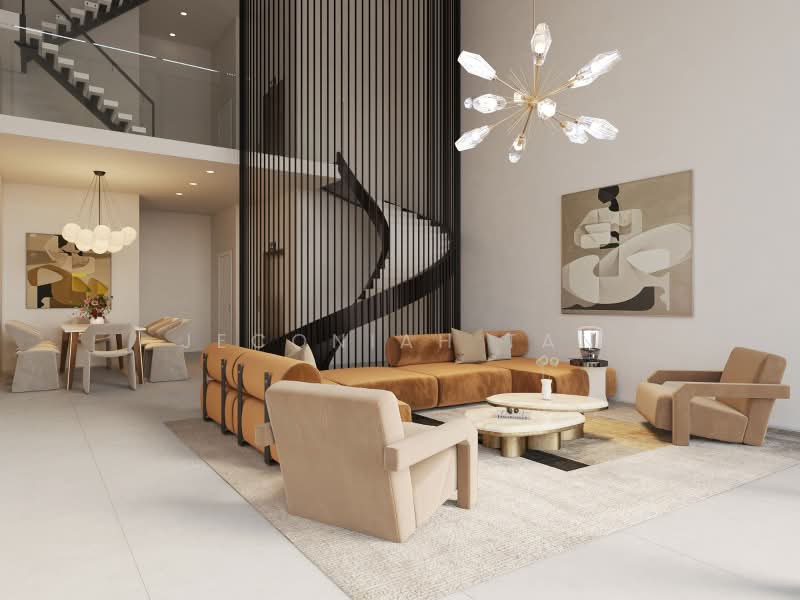
10 properties in Toa Payoh MRT
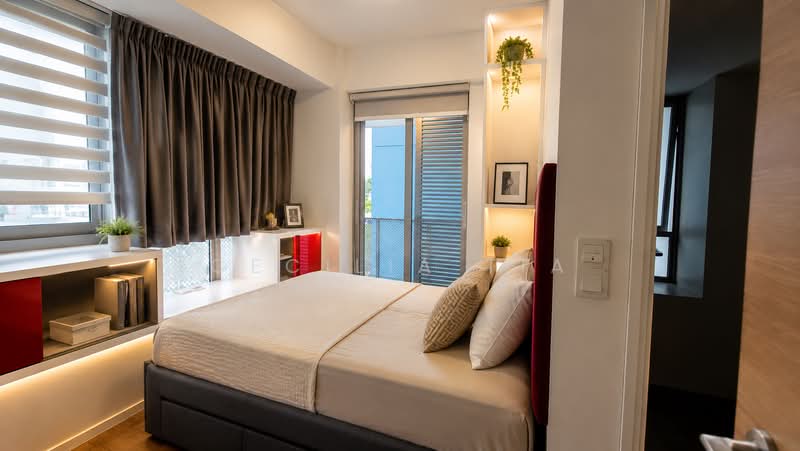
S$ 1,300,000
23 Jalan Rajah Road · Condo · 13 min (1.08 km) from NS19 Toa Payoh MRT Station
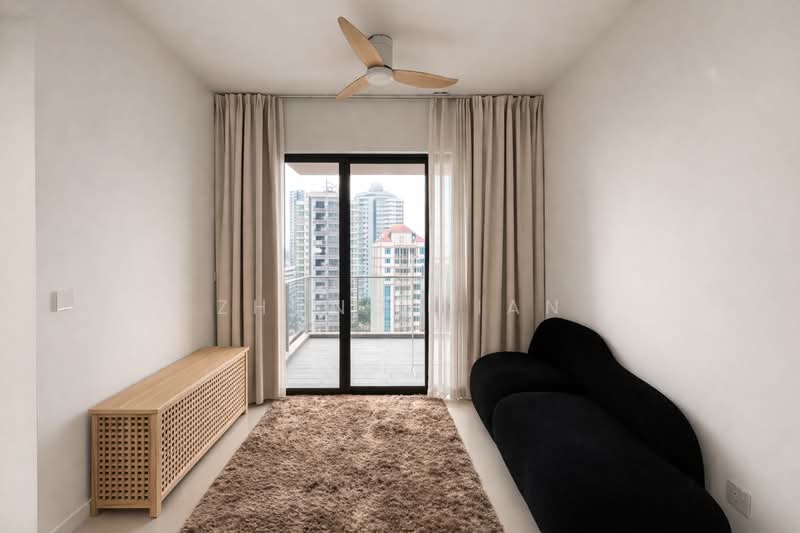
S$ 755,000
23 Jalan Rajah Road · Condo · 13 min (1.08 km) from NS19 Toa Payoh MRT Station
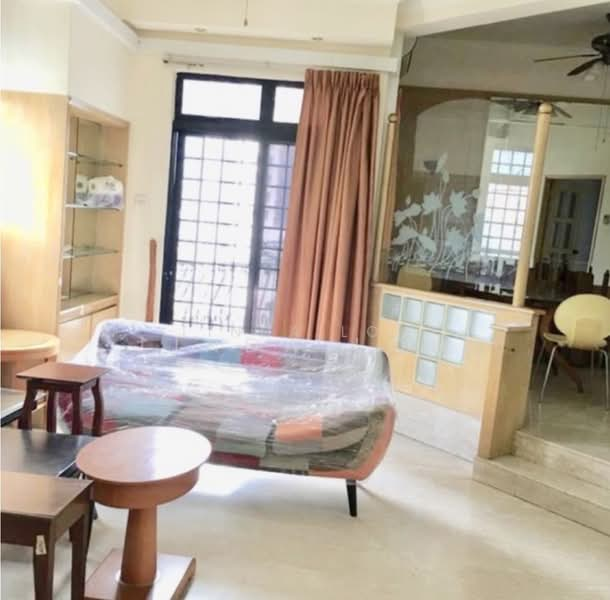
S$ 1,749,999
3 Jalan Kemaman · Condo · 16 min (1.35 km) from NS19 Toa Payoh MRT Station
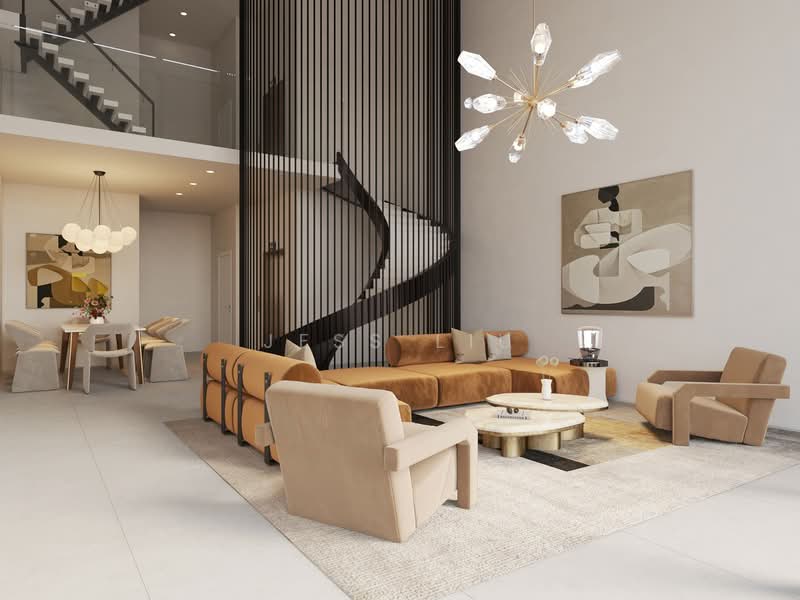
S$ 7,200,000
Boon Teck Road · Landed · 15 min (1.23 km) from NS19 Toa Payoh MRT Station
S$ 4,500,000
33 Jalan Rama Rama · Condo · 13 min (1.08 km) from NS19 Toa Payoh MRT Station
S$ 1,850,000
5 Jalan Ampas · Condo · 18 min (1.49 km) from NS19 Toa Payoh MRT Station
S$ 7,200,000
Balestier Road / Boon Teck Road · Landed · 15 min (1.23 km) from NS19 Toa Payoh MRT Station
S$ 6,199,999
Boon Teck Road · Landed · 14 min (1.21 km) from NS19 Toa Payoh MRT Station
S$ 7,500,000
Boon Teck Rd · Landed · 15 min (1.23 km) from NS19 Toa Payoh MRT Station
S$ 919,999
30 Jalan Kemaman · Condo · 15 min (1.22 km) from NS19 Toa Payoh MRT Station
Toa Payoh remains an attractive entry point for buyers as it offers significantly lower entry prices than adjacent zones like Novena and Balestier, with condominium units ranging from S$755,000 to S$1.85 million compared to Novena's premium positioning. The estate has experienced steady appreciation due to its comprehensive amenities, established transport connectivity via the North-South Line, and ongoing rejuvenation initiatives by HDB. However, the market is moderately paced rather than buoyant, making it suitable for long-term owner-occupiers rather than speculative investors seeking quick capital gains.
Properties in the Toa Payoh vicinity have appreciated more gradually than central and prime districts, with condominium prices growing at approximately 2-3% annually whilst city fringe areas have seen 4-5% growth. The landed property segment, particularly terraced houses on Boon Teck Road and Balestier Road, has outperformed condominiums, with prices now reaching S$6.2-7.2 million, reflecting the scarcity of freehold and 999-year leasehold landed homes in mature estates. This slower appreciation trajectory reflects Toa Payoh's positioning as a stable, value-oriented neighbourhood rather than a speculative hotspot.
Owner-occupiers seeking efficient commutes to the CBD, Novena Medical Hub, or employment nodes along the North-South Line corridor represent the primary buyer demographic, whilst young families appreciate the proximity to established schools such as Hong Wen School and comprehensive HDB amenities. Tenants are typically young professionals and expatriates seeking affordable rental accommodation with convenient public transport access, with a secondary cohort of investors purchasing units specifically for rental yield of 2.5-3.2% per annum. The neighbourhood's mature infrastructure and accessibility make it particularly attractive to first-time buyers aged 30-45 and family units rather than luxury-seeking purchasers.
For condominium purchases at the S$750,000-1.8 million range, buyers require a minimum 25% down payment (S$187,500-450,000) and can typically obtain bank financing for 75% over 25-30 year tenures, making monthly mortgage servicing manageable for dual-income households earning S$8,000-12,000 combined. Terraced house acquisitions at S$6-7.2 million demand substantially larger down payments (S$1.5-1.8 million) and restrict financing to 60-70% loan-to-value, positioning such purchases exclusively within the reach of high-net-worth individuals or established investor syndicates. First-time buyer schemes and concessional financing from HDB-linked institutions remain accessible for condominium purchases but are unavailable for private landed properties, creating a significant affordability gap between the two asset classes.
Foreign investors purchasing within 1.5 kilometres of Toa Payoh MRT face 20% ABSD on purchase price, rendering the investment less attractive unless targeting long-term rental yields; for example, a S$1.5 million condominium incurs S$300,000 in ABSD alone, increasing effective entry cost by 20%. Singapore citizens and permanent residents purchasing a second property incur 15% ABSD, whilst conveyancing and stamp duty on the purchase agreement add a further 3-4%, totalling acquisition costs of approximately 18-19% for investor purchasers. The high quantum of ABSD necessitates a minimum holding period of 5-7 years and rental yields exceeding 3% annually for purchase-to-rent strategies to deliver acceptable returns, limiting investor participation to those with patient capital and access to leveraged financing.
Condominium units in the S$1-1.85 million segment typically command monthly rents of S$3,500-4,500, translating to gross rental yields of 2.8-3.4% per annum, which is modest compared to suburban areas but compensates with lower vacancy risk due to the estate's accessibility and mature tenant market. Vacancy risk remains minimal given the established professional and expatriate demographic seeking convenient MRT-adjacent properties, with average letting periods of 4-8 weeks and stable occupancy rates of 92-96% historically. However, yields remain compressed relative to capital requirements, and investors must account for property tax (approximately 4-6% of annual rent), maintenance levies (S$300-500 monthly), and agent commissions (1.5%), leaving net yields of approximately 2.0-2.5% after all outgoings.
Properties within 800 metres of NS19 Toa Payoh MRT Station command a 5-8% valuation premium compared to properties 1.3-1.5 kilometres distant, reflecting the convenience of reduced walking time and direct access to transport without requiring feeder bus connections. The sample listings demonstrate this gradient clearly: units at 23 Jalan Rajah Road (1.08 km) are priced more competitively than Ampas Apartments (1.49 km), despite similar age and specifications, indicating that each additional 0.2 kilometres of distance reduces effective valuation by approximately 1-2%. This MRT proximity premium is more pronounced for rental properties than owner-occupied units, as tenants place high explicit value on minimising commute times and environmental convenience.
The supply pipeline in the Toa Payoh precinct is relatively constrained due to the maturity of the estate and limited remaining land for greenfield development, with most new supply concentrated in adjacent Novena and Balestier precincts that are situated 1-2 kilometres from the station. The Urban Redevelopment Authority's Master Plan indicates that future growth will centre on selective rejuvenation of existing stock and small-scale infill developments rather than large-scale new projects, limiting downward pressure on current valuations from new competing supply. This supply scarcity provides a structural support to existing property values, particularly for older but well-maintained condominiums and unique landed homes, though it may limit buyer choice and increase bargaining power for sellers relative to supply-abundant new launch projects elsewhere.
Private condominium properties in the vicinity typically feature 99-year or 999-year leasehold tenures, with the latter commanding 3-5% valuation premiums and providing indefinite investment horizons suitable for multi-generational wealth transfer. Leases on 99-year properties will begin the critical redemption phase in 15-25 years for newer developments, requiring significant en bloc redevelopment or lease top-up negotiations; purchasers should scrutinise lease commencement dates and budget for potential lease extension costs of S$500,000-1.2 million per unit if extensions become necessary. For investor purchasers, 999-year freehold or near-equivalent tenure is strongly preferable to 99-year leases, as the latter create refinancing and resale friction in the final 30 years of tenure, potentially rendering units unmortgageable or unsaleable despite underlying land value.
Purchasers should conduct thorough lease tenure audits (verifying commencement dates and remaining terms), request building structural inspection reports particularly for properties older than 25 years, and investigate ongoing or pending en bloc sales or collective sale mandates which could disrupt ownership plans or trigger unexpected financial liabilities. Environmental due diligence is essential given proximity to former industrial zones and the potential for historical soil contamination; requesting Environmental Impact Assessment reports and historical land use documents from the estate agent or seller's solicitors is prudent. Additionally, purchasers must verify MRT walking distance claims independently (the sample listings cite durations ranging from 13-18 minutes), inspect actual pedestrian pathways and security during peak evening hours, and confirm parking allocation and charges, as these practical factors significantly impact quality-of-life and rental appeal for potential tenants.
Free Property Valuation
Enter your postal code and get a free instant valuation report straight to your inbox.