4 properties in Tanjong Rhu MRT
S$ 2,900,000
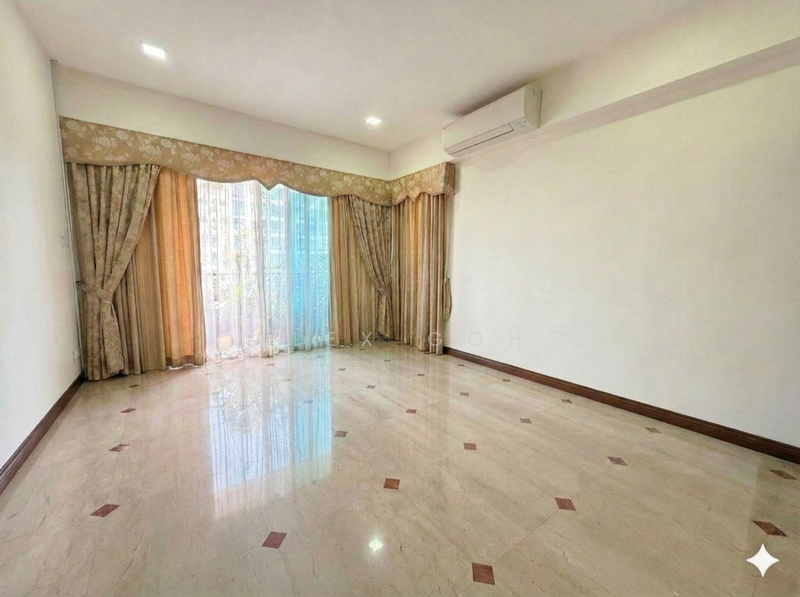
201 Tanjong Rhu Road · Condo · 4 min (350 m) from TE23 Tanjong Rhu MRT Station
S$ 2,930,000
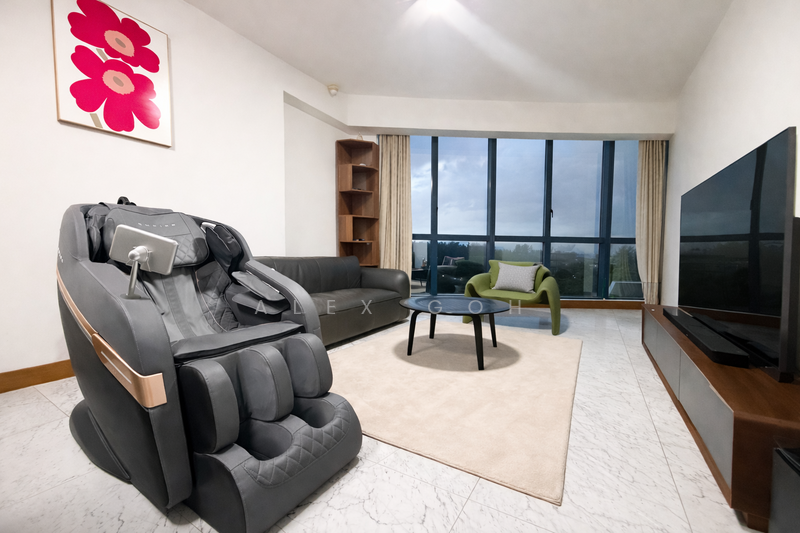
175 Tanjong Rhu Road · Condo · 1 min (120 m) from TE23 Tanjong Rhu MRT Station
S$ 2,930,000
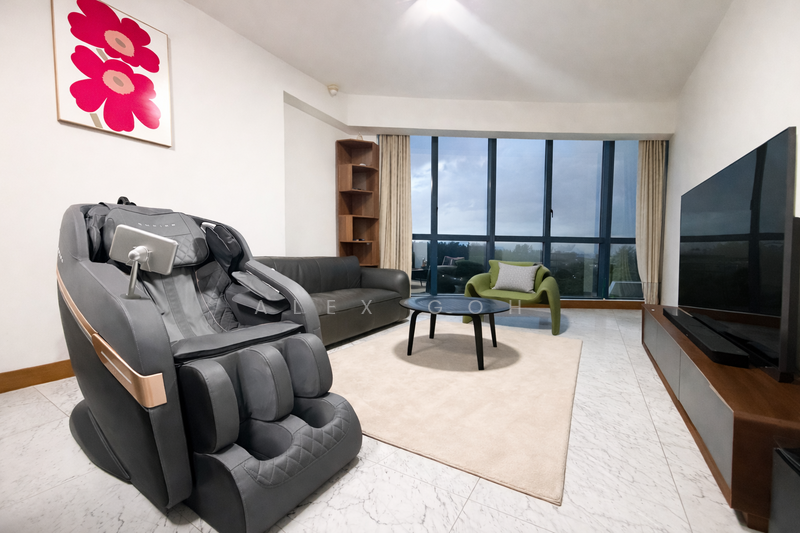
175 Tanjong Rhu Road · Condo · 1 min (120 m) from TE23 Tanjong Rhu MRT Station
S$ 2,600,000
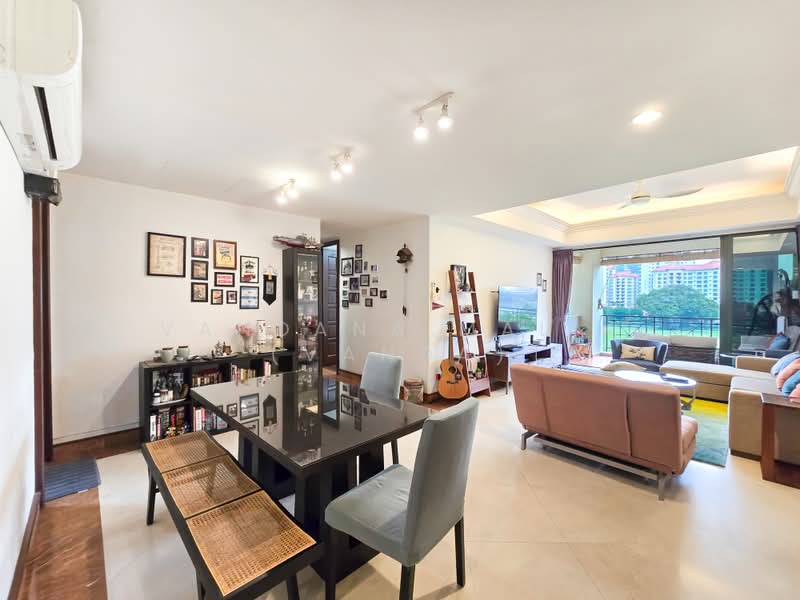
130 Tanjong Rhu Road · Condo · 3 min (270 m) from TE23 Tanjong Rhu MRT Station
The Tanjong Rhu area remains one of Singapore's most desirable residential corridors, with properties in the S$2.6–2.9 million range reflecting strong fundamentals driven by waterfront proximity and excellent transport connectivity. Market sentiment has stabilised following the earlier cooling measures, and buyer interest has shifted towards quality locations with tangible value propositions like direct MRT access. Properties within 1–4 minutes' walk of TE23 Tanjong Rhu MRT Station have demonstrated resilience, making this a relatively favourable entry point for owner-occupiers seeking long-term appreciation rather than speculative gains.
The Tanjong Rhu precinct has outperformed the broader market average, with prices appreciating steadily at 2–3% annually, partly due to its positioning as an established, mature residential address with finite supply and strong tenant demand. Unlike newer suburban developments, this area has avoided oversupply issues and benefits from its mature ecosystem of amenities, food and beverage outlets, and direct waterfront access. The S$2.6–2.9 million price point reflects a premium relative to comparable four-room condominiums further inland, justified by MRT proximity and the neighbourhood's established cachet.
Owner-occupiers seeking waterfront living with young families, expatriate professionals, and downsizers from landed properties constitute the primary buyer demographic for this location. Investment-focused buyers and landlords are also present, but typically prioritise rental yield stability over capital appreciation—making buy-to-let investors a secondary segment compared to owner-occupiers. Mid-career executives aged 35–55 with household incomes exceeding S$200,000 annually form the core market, attracted by the lifestyle convenience and relative proximity to the city centre via the East Coast Line.
At this price point, buyers typically require a down payment of 20–25% (approximately S$520,000–725,000) and will qualify for mortgage financing up to S$1.95–2.32 million at current interest rates of 4.0–4.3%, resulting in monthly repayments of S$8,500–10,000 over 25 years. Lending banks favour these properties due to their strong collateral value, transparent pricing, and established secondary market, generally approving loans at 80–90% loan-to-value ratios for owner-occupiers. Prospective buyers should account for stamp duty (3% on first S$180,000 plus 4% on remainder), legal fees (approximately S$1,500–2,500), and property tax of 4–6% annually, which collectively impact the total cost of ownership.
Singapore-based investors purchasing a second or subsequent residential property incur ABSD of 5–15% depending on citizenship and holding period, in addition to base stamp duty of 3–4% on the purchase price—meaning total duty costs can reach approximately S$220,000–435,000 on a S$2.9 million purchase. Foreigner investors face a steeper ABSD rate of 20% plus standard stamp duty, bringing total acquisition costs to approximately S$290,000–580,000, significantly impacting cash-on-cash returns. These substantial duty costs have traditionally shifted investment preference towards the rental income route with longer holding periods to amortise acquisition costs, making yield-focused analysis critical for investor decision-making.
Established waterfront addresses near Tanjong Rhu MRT typically deliver gross rental yields of 2.8–3.5% annually on these price points, attracting both expatriate families and young professionals seeking convenient city access; net yields after property tax and maintenance costs typically range from 2.0–2.8%. Vacancy risk is relatively low given the area's maturity and strong tenant demand from the professional market, with average vacancy periods of 2–4 weeks between tenancies—shorter than suburban developments experiencing higher turnover. However, rental growth has been modest at 1–2% annually, reflecting market saturation in the upper-mid segment, so investors must prioritise stable yield rather than capital appreciation when evaluating purchases in this category.
Properties within 1 minute's walk (approximately 120 metres) of Tanjong Rhu MRT Station, such as Water Place, command a premium of approximately 3–5% over comparable units 5–10 minutes away, reflecting the convenience of direct, all-weather access to the East Coast Line. This MRT proximity eliminates reliance on private vehicles or feeder buses and provides swift connectivity to the CBD (approximately 15–20 minutes), Marina Bay, and Orchard, making these locations particularly attractive to expatriate families and young professionals. The practical benefit of reduced commute times and improved accessibility to key employment hubs translates directly into sustained tenant demand and pricing resilience, even during market downturns.
The Tanjong Rhu precinct has limited remaining development potential due to its maturity, with most land already developed into established condominiums; no major new projects are currently announced for immediate delivery within a 500-metre radius of the MRT station. The area's conservation status and proximity to the East Coast Parkway constraints limit large-scale new development, providing existing property owners with a significant supply-side protection factor against value erosion. This supply scarcity is a key value driver for current residents and investors, as the lack of new competing stock supports sustained pricing and rental demand for the foreseeable future.
Nearly all condominiums in the Tanjong Rhu area are freehold or hold very long leasehold tenures (99 years or above), eliminating the lease decay concerns that affect ageing properties in other parts of Singapore; Water Place, Parkshore, and Pebble Bay all benefit from this security. However, buyers acquiring properties with remaining leases below 80 years should expect financing challenges and value depreciation, particularly if seeking eventual resale or refinancing—most banks restrict lending on leases below this threshold. For long-term owner-occupiers and conservative investors, freehold or fresh 99-year leasehold titles provide maximum flexibility and minimise future refinancing or sale complications.
Prospective buyers should prioritise inspection of unit orientation (east or west-facing units may experience excessive heat exposure), accessibility to common facilities such as gyms and pools (which directly influence rental demand), and proximity to the MRT entrance, as walking distance to the station materially impacts both tenant appeal and personal convenience. Evaluate the condition of the building's structural elements, recent upgrading works, and sinking fund reserves, as older developments (15+ years) may face imminent major maintenance costs that are ultimately borne by owners; request the management office's reserve fund audits during due diligence. Finally, assess the composition of the resident base, occupancy rates, and any ongoing disputes with management bodies—properties with transient tenant populations or contentious owner communities typically exhibit lower appreciation and rental stability compared to well-managed buildings with stable ownership structures.
Free Property Valuation
Enter your postal code and get a free instant valuation report straight to your inbox.