4 properties in Shenton Way MRT
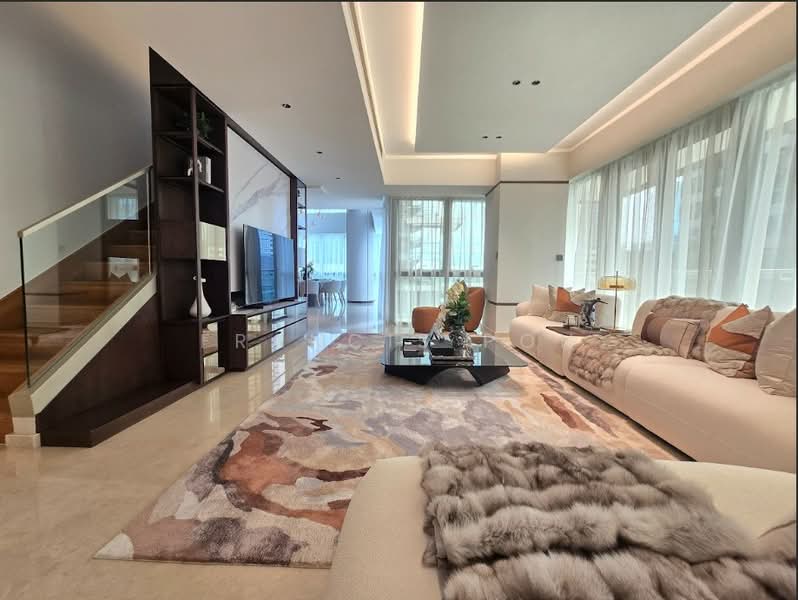
S$ 10,005,000
1 Shenton Way · Condo · 3 min (230 m) from TE19 Shenton Way MRT Station
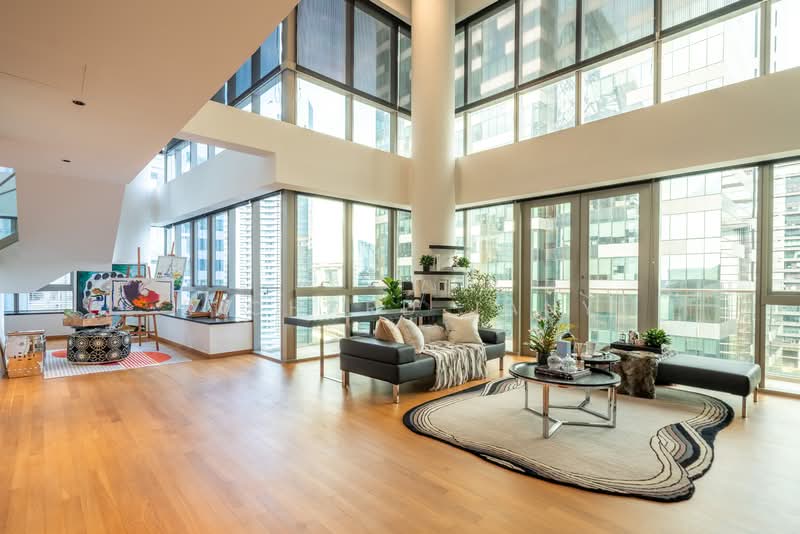
S$ 13,727,000
1 Shenton Way · Condo · 3 min (230 m) from TE19 Shenton Way MRT Station
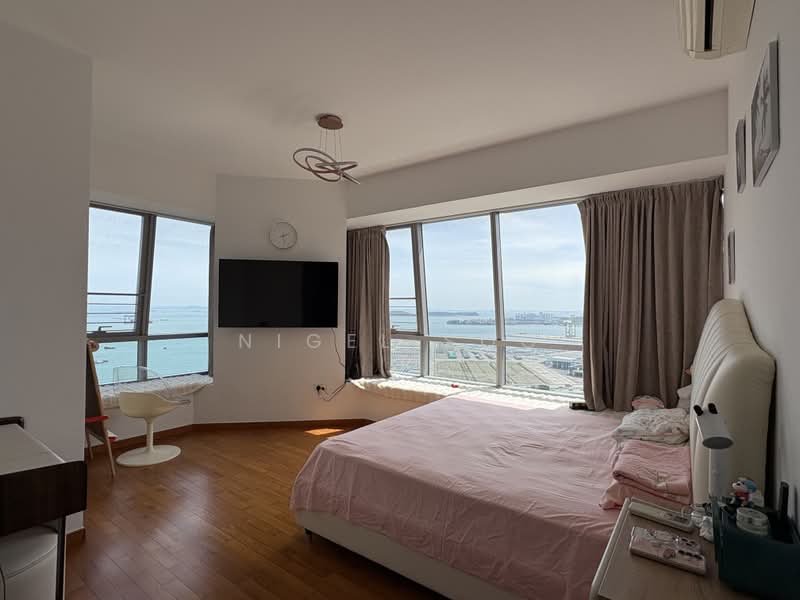
S$ 3,100,000
5A Shenton Way · Condo · 3 min (250 m) from TE19 Shenton Way MRT Station
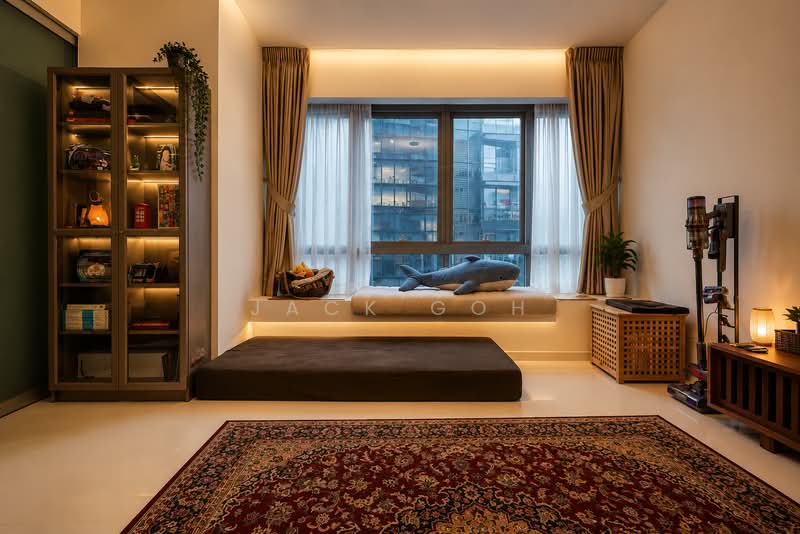
S$ 1,100,000
1 Shenton Way · Condo · 3 min (230 m) from TE19 Shenton Way MRT Station
The Shenton Way precinct remains highly sought-after due to its proximity to the central business district and established financial institutions, making it a relatively stable investment compared to emerging zones. However, with interest rates having stabilised and property cooling measures in place, buyers should expect realistic returns rather than the rapid appreciation seen in previous cycles. The current market favours well-maintained properties in trophy developments like One Shenton, which typically command premium valuations and attract institutional buyers seeking long-term capital preservation rather than speculation.
Properties near Shenton Way have appreciated more modestly than suburban new launch developments, reflecting the area's mature status and higher baseline prices that limit percentage growth potential. The segment has benefited from sustained demand from expat professionals and corporate relocation packages, but price growth has lagged emerging zones such as Jurong and areas along new MRT extensions. This relative underperformance makes the area attractive for value-conscious investors seeking established infrastructure and lower volatility rather than speculative gains.
The primary buyer demographic consists of senior corporate professionals, expatriates with housing allowances, and business owners seeking convenient access to the financial district without lengthy commutes. These buyers typically prioritise location efficiency, building prestige, and proximity to international schools and premium amenities over unit size, making compact two-bedroom units in iconic towers like One Shenton particularly attractive. Secondary buyers include property investors targeting high-income tenants and owner-occupiers planning to lease out their units whilst maintaining portfolio flexibility through the MRT-linked location.
Properties in the Shenton Way area fall into the high-value segment where banks typically cap loan-to-value ratios at 75–80 per cent, requiring substantial downpayments of S$600,000 to S$3.2 million depending on purchase price. Buyers should expect stricter income verification and debt servicing ratio requirements, with banks generally requiring annual household incomes exceeding S$200,000 for mortgages above S$8 million. For expatriate buyers, additional documentation such as overseas income certificates and repatriation guarantees may be required, potentially extending the mortgage approval timeline by 4–6 weeks.
Singaporean investors purchasing a second residential property will incur Additional Buyer's Stamp Duty (ABSD) at 15 per cent on the purchase price, whilst foreigners face 20 per cent ABSD plus standard stamp duty, making a S$5 million purchase incur approximately S$1.05 million in ABSD alone for foreign buyers. Stamp duty on the purchase is calculated on a sliding scale reaching 4.25 per cent for amounts above S$3 million, adding another S$212,500 to a S$5 million transaction. These substantial upfront costs mean investors require robust rental yield expectations (typically 2.5–3.5 per cent per annum) to justify the investment within a 5–7 year holding horizon.
The Shenton Way precinct commands rental yields of 2.5–3.5 per cent per annum for premium units, with well-maintained properties in One Shenton and V on Shenton typically achieving the higher end through demand from expatriate professionals on housing allowances. Vacancy risk is relatively low at 3–6 months average, as the location's transport connectivity and proximity to the CBD attract consistent demand from international relocation agencies and corporate housing programmes. However, investors should factor in tenant cyclicality linked to multinational company restructuring cycles and the volatility of Singapore's expatriate population, which can create brief periods of elevated vacancy despite strong underlying demand.
Proximity to Shenton Way MRT station (TE19 line) provides a 10–15 per cent valuation premium over equivalent properties 500–800 metres away, as it directly links to Changi Airport via the Thomson-East Coast Line without transfers, making it exceptionally valuable for expatriate tenants and business commuters. The three-minute walk time to the station from flagship developments like One Shenton is rarely marketed as a benefit rather than assumed, reflecting how integral the MRT connection is to the area's investment thesis. Properties within this sub-200-metre catchment command stronger rental demand from expatriates with fixed assignment periods, who prioritise predictable commute times and seamless airport access over aspirational neighbourhood amenity factors.
The Shenton Way precinct has extremely limited new supply in the pipeline, with most prime sites already developed into established office and luxury residential towers completed over the past decade, offering strong scarcity value for existing residential units. However, urban renewal initiatives within the broader business district and potential densification of older commercial buildings into mixed-use developments could marginally increase competing supply within the wider catchment area by 2026–2028. The constrained supply environment supports price stability for existing premium units but also limits upside appreciation, making this area fundamentally a wealth preservation zone rather than a growth play for investors.
The majority of residential projects in the Shenton Way catchment are built on 99-year leases granted during the 1990s–2010s, meaning units purchased today will have remaining tenures of 70–89 years depending on purchase price and unit age. Banks typically impose loan-to-value reductions for properties with less than 60 years of tenure remaining, potentially affecting future resale financing for buyers purchasing current inventory in 15–20 years when tenure decay becomes material. Investors should prioritise purchasing from developments with tenures above 75 years remaining and request legal verification of tenure from their conveyancing lawyer to avoid purchasing units approaching the 60-year financing threshold.
Buyers should thoroughly inspect structural soundness and building maintenance records, as older developments in this precinct (completed 15–25 years ago) may face unexpected major upgrading works that could trigger special levies of S$50,000–200,000; requesting the latest Building Maintenance and Loan Corporation report is essential. Verify MRT accessibility claims by personally timing the walk during peak hours, as marketing materials may understate walking time when crossing roads or navigating building lobbies; properties at 5A Shenton Way may face longer actual commute times than advertised despite proximity. Finally, scrutinise rental history and tenant profiles in strata management records, particularly assessing whether the building maintains high occupancy and attracts stable corporate tenants, as this directly correlates with future capital appreciation and resale demand in this mature, investor-heavy market segment.
Free Property Valuation
Enter your postal code and get a free instant valuation report straight to your inbox.