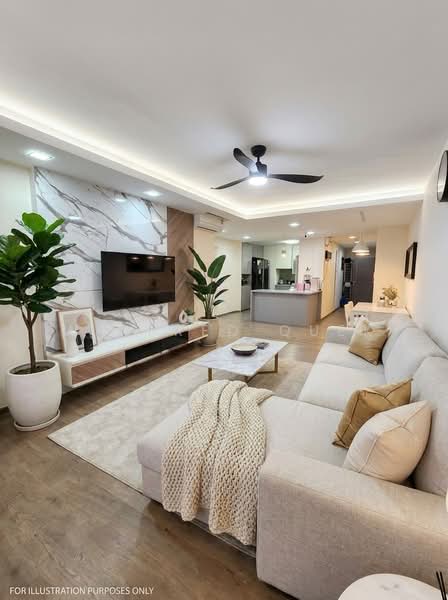
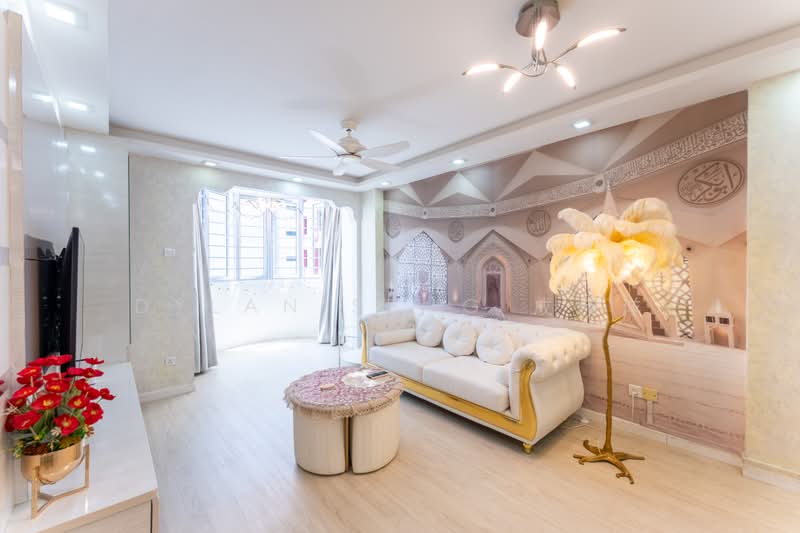
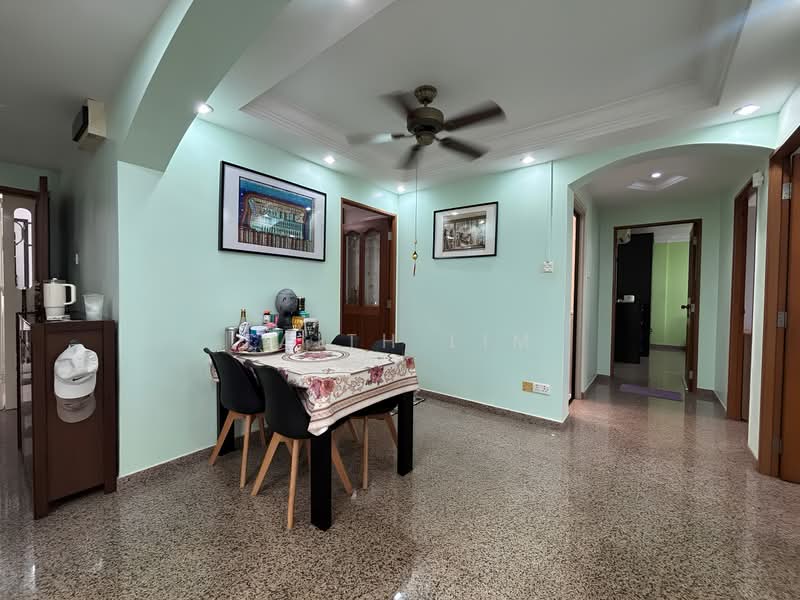
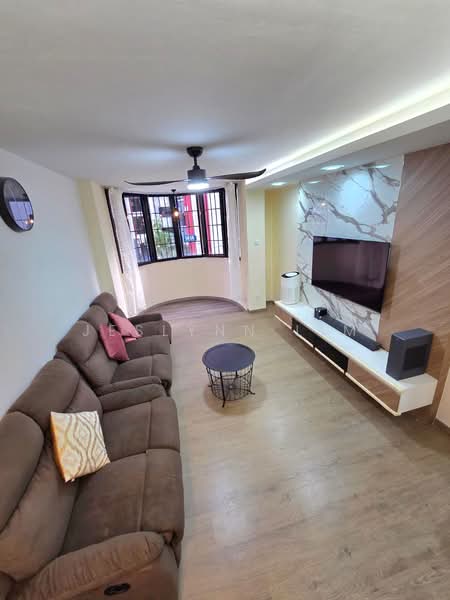
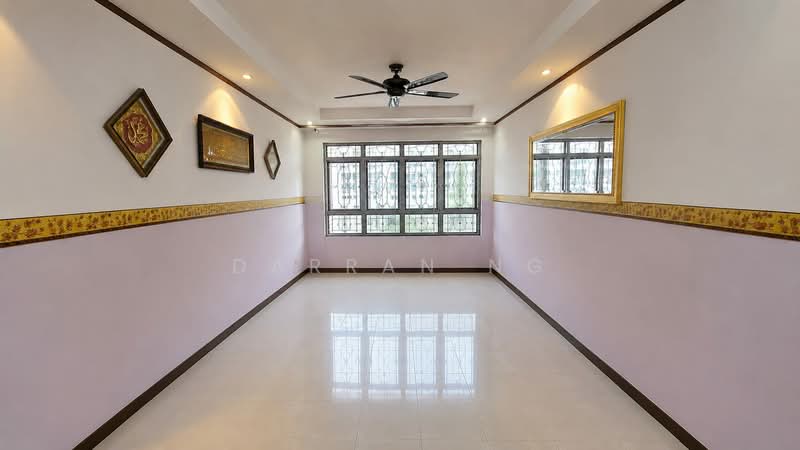
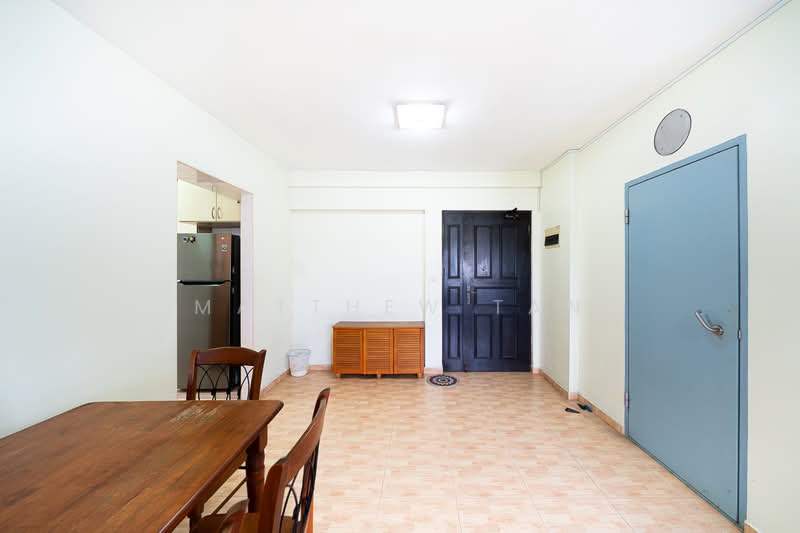
10 properties in Sembawang MRT
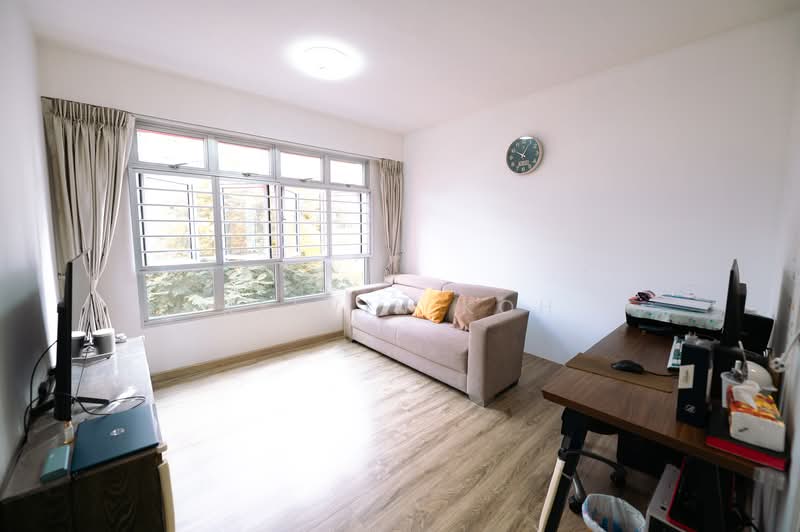
S$ 629,999
339A Sembawang Close · HDB · 8 min (690 m) from NS11 Sembawang MRT Station
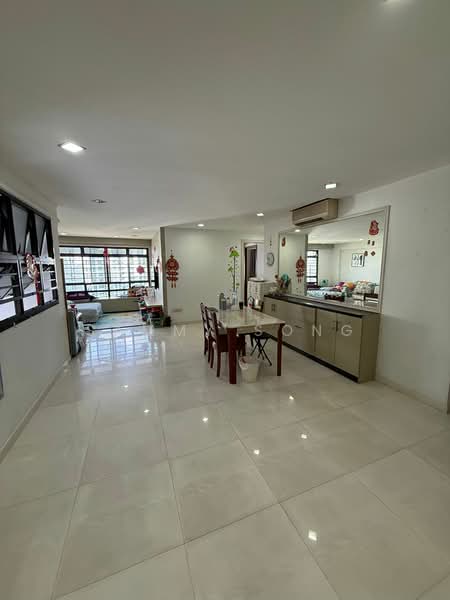
S$ 648,000
357B Admiralty Drive · HDB · 4 min (360 m) from NS11 Sembawang MRT Station
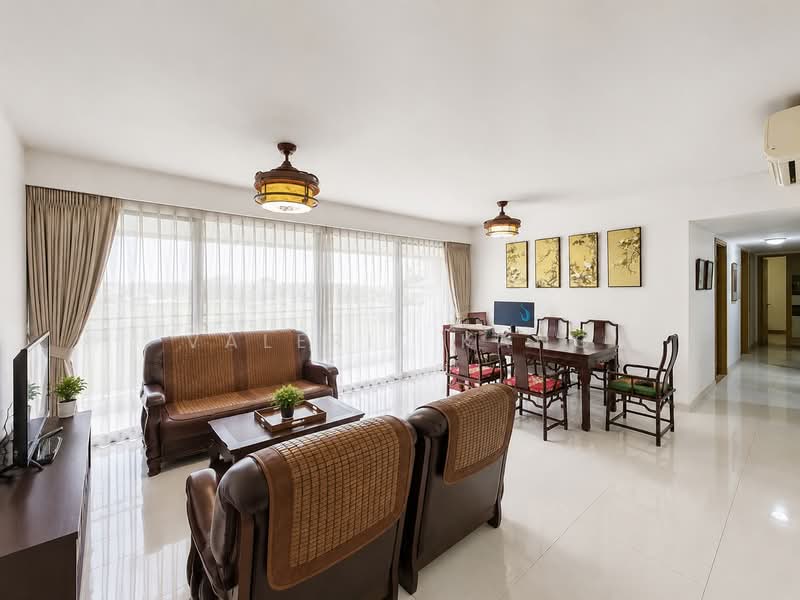
S$ 555,000
360A Admiralty Drive · HDB · 6 min (520 m) from NS11 Sembawang MRT Station
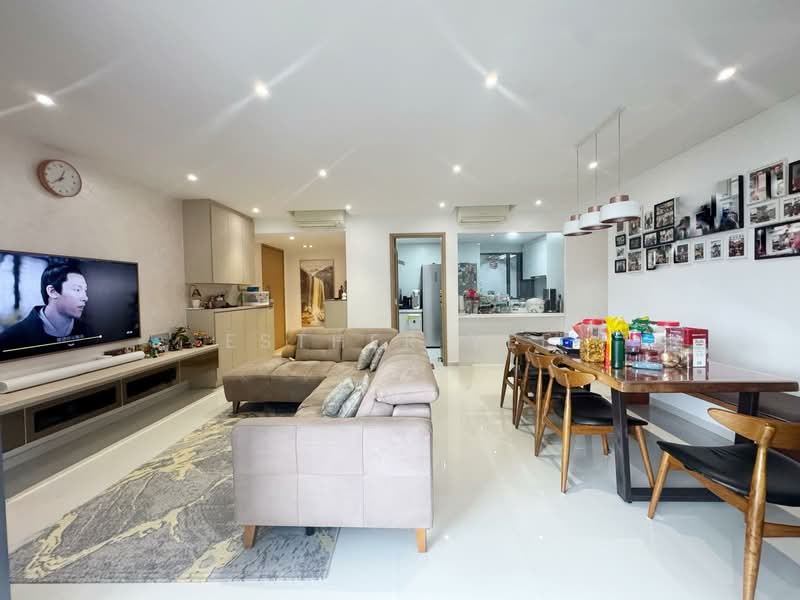
S$ 649,999
339A Sembawang Close · HDB · 8 min (690 m) from NS11 Sembawang MRT Station
S$ 600,000
365C Sembawang Crescent · HDB · 13 min (1.06 km) from NS11 Sembawang MRT Station
S$ 599,999
491 Admiralty Link · HDB · 15 min (1.24 km) from NS11 Sembawang MRT Station
S$ 2,498,888
17 Sembawang Crescent · Condo · 9 min (740 m) from NS11 Sembawang MRT Station
S$ 2,200,000
Sembawang Drive · Condo · 9 min (740 m) from NS11 Sembawang MRT Station
S$ 599,999
589C Montreal Drive · HDB · 7 min (580 m) from NS11 Sembawang MRT Station
S$ 560,000
510A Wellington Circle · HDB · 9 min (760 m) from NS11 Sembawang MRT Station
The Sembawang area presents a compelling opportunity for budget-conscious buyers, with HDB prices ranging from S$555,000 to S$649,999 compared to broader market averages in central locations. Interest rates have stabilised following recent monetary policy adjustments, making mortgage servicing more predictable for first-time buyers in this segment. Sembawang's relative affordability combined with improving transport connectivity via the North-South Line makes it particularly attractive for young families and upgraders seeking value, though appreciation may be more moderate than in prime districts.
HDB prices in the Sembawang vicinity have appreciated at a slower pace than city-fringe and central region properties, reflecting the broader trend of investors gravitating towards proximity to the CBD and secondary business districts. The current price band of S$555,000–S$650,000 for 4-room and 5-room flats in this locality represents steady but modest growth, while EC units like SkyPark Residences have commanded premium valuations around S$2.2–S$2.5 million due to their hybrid ownership benefits. This measured appreciation makes Sembawang particularly suitable for owner-occupiers rather than short-term investors seeking rapid capital gains.
First-time HDB buyers, young families, and upgraders from rental or smaller units represent the core demographic, as the S$600,000 average price point aligns well with HDB loan eligibility and CPF withdrawal limits for most Singaporean citizens. Commuters working in the north (including the emerging tech corridors at Woodlands and Yishun) or with cross-island access requirements benefit significantly from the NS11 station's connectivity. Additionally, buyers seeking to live below market rates whilst maintaining urban convenience, or those who value the established community infrastructure in Sembawang, find this location particularly compelling.
A S$600,000 HDB purchase typically requires a down payment of 5% (S$30,000) for first-time buyers, with HDB loans available up to 90% of the purchase price at current interest rates around 2.6–2.8% per annum, translating to monthly instalments of approximately S$2,500–S$2,700 over 25 years. CPF contributions from both buyer and spouse (if applicable) can substantially reduce out-of-pocket cash requirements, making the effective affordability significantly better than the headline price suggests. Buyers should factor in legal fees (S$800–S$1,200), property tax (roughly S$600–S$800 annually for HDB), and maintenance fees, though HDB properties generally carry lower running costs than private condominiums.
HDB flats are exempt from Additional Buyer's Stamp Duty (ABSD) and foreign ownership restrictions, making them more accessible investment vehicles compared to private property, though HDB resale regulations impose a five-year Minimum Occupation Period (MOP) that limits short-term investor strategies. Stamp duty on HDB purchases ranges from 1% to 4% of the purchase price depending on the transaction value, with a S$600,000 property incurring approximately S$14,000–S$17,000 in stamp duty. EC properties like SkyPark Residences face the same ABSD structure as private condominiums (ranging from 5% to 20% depending on citizenship and holding period), making them less attractive for investors seeking quick exits, though their eventual conversion to HDB status after 10 years provides a unique long-term value proposition.
HDB flats in Sembawang typically generate rental yields of 2.5–3.2% based on monthly rents ranging from S$1,500–S$2,100 for 4-room and 5-room units, which are competitive relative to regional averages but lower than inner-ring locations like Toa Payoh or Ang Mo Kio. Vacancy risk remains relatively low due to the area's strong rental demand from working professionals, families, and expatriates seeking affordable accommodation with MRT accessibility, though the northern corridor has historically experienced longer tenant turnovers compared to central zones. The mature estate status and established amenities (schools, hawker centres, parks) provide stable rental fundamentals, though investors must account for HDB's strict subletting regulations and the mandatory five-year MOP before rental income can commence.
Properties within a 400-metre walking radius of the station command a valuation premium of approximately 5–8% compared to those 800 metres away, with the differential most pronounced for 4-room units where commute convenience significantly influences buyer decisions. Units like 357B Admiralty Drive (just 4 minutes' walk) are priced at S$648,000, while similar units 15 minutes' walk away (e.g., 491 Admiralty Link) trade at S$599,999, demonstrating clear value compression with distance. This MRT proximity premium reflects Singapore's transport-centric property market, where each additional minute of walking distance can translate to 0.5–1% loss in resale value, making sub-500-metre locations strategically advantageous for both owner-occupiers and future resale prospects.
The Sembawang area has limited new HDB launches planned in the immediate term, with most recent supply already absorbed into the resale market, meaning future price appreciation will be driven primarily by demand-side factors and BTO (Built-to-Order) scarcity rather than new stock flooding the market. EC projects like SkyPark Residences represent one of the few new launches in the vicinity, and their eventual HDB conversion creates a unique dynamic where investors can expect normalisation of values post-conversion. The absence of major upcoming residential developments in Sembawang makes existing resale units relatively insulated from supply shocks, supporting price stability but potentially limiting capital appreciation compared to areas with fresh supply cycles.
HDB flats in Sembawang operate under standard 99-year leases from initial grant (typically from the 1970s–1990s), meaning most current resale units have 70–85 years of lease remaining, which is generally acceptable to HDB loan officers and valuers, though leases under 60 years may face financing challenges. Buyers should verify the remaining lease tenure through the HDB portal or title deed, as properties with leases below 50 years experience accelerating depreciation and reduced marketability, potentially affecting long-term wealth preservation. The absence of lease extension mechanisms for HDB properties (unlike private condominiums which can apply for en bloc renewal) makes lease tenure a critical consideration, particularly for younger buyers planning to retain the property for 30+ years.
Beyond headline price and MRT distance, critical evaluation points include flat orientation (north-facing units experience higher cooling costs), floor level (lower floors more susceptible to noise and dust from surrounding roads and construction), and unit layout configuration, which directly impacts rental desirability and resale velocity. Structural condition assessments are vital—buyers should commission independent inspections for cracks, water seepage (particularly common in older Sembawang blocks), and the condition of common areas including lifts and letterboxes, as HDB maintenance costs can escalate unexpectedly for aging blocks. Additionally, proximity to undesirable facilities (waste collection points, void decks with heavy foot traffic), air quality considerations from nearby industrial zones, and the quality of nearby schools and childcare centres should inform final unit selection, as these factors materially influence both quality of life and future resale prospects.
Free Property Valuation
Enter your postal code and get a free instant valuation report straight to your inbox.