Potong Pasir MRT station stands as a gateway to one of Singapore's most characterful neighbourhoods, where traditional kampung culture meets contemporary urban living. Situated along the Circle Line, this station serves residents seeking a quieter residential pocket without sacrificing connectivity to the rest of the island. The station's location within Potong Pasir, a mature estate in the eastern part of Singapore, makes it an increasingly attractive choice for families, young professionals, and investors alike.
Potong Pasir occupies a unique position on Singapore's map. The neighbourhood sits within the Geylang planning area, yet retains a distinctly separate identity characterised by tree-lined streets, low-rise housing, and a strong sense of community. Potong Pasir MRT station itself is nestled within this established residential zone, providing residents with a direct rail link to the rest of the island whilst maintaining the neighbourhood's relaxed, suburban feel.
The Land Transport Authority has progressively enhanced connectivity in this area. The Circle Line, completed in full in 2025, elevated Potong Pasir's accessibility significantly. Commuters can now reach Dhoby Ghaut in under 15 minutes, Outram Park in approximately 20 minutes, and Marina Bay in around 25 minutes. This connectivity transforms daily commutes from what might once have been hour-long ordeals into manageable 20–30-minute journeys across most key employment clusters.
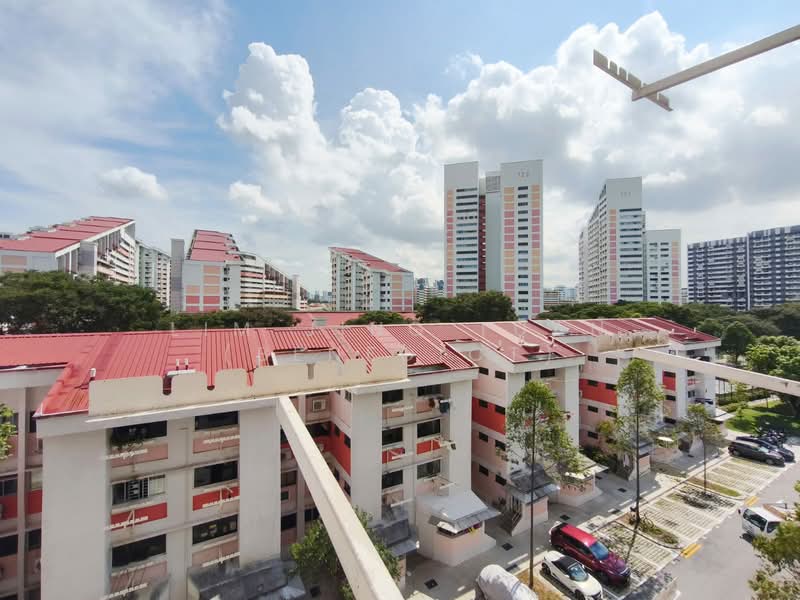
The property market surrounding Potong Pasir MRT presents a diverse range of options. The neighbourhood is predominantly characterised by HDB housing, with several blocks of 3-, 4-, and 5-room flats scattered throughout the estate. These Government-built homes tend to be priced more affordably than private residential properties, making them attractive to first-time buyers and upgraders looking for value.
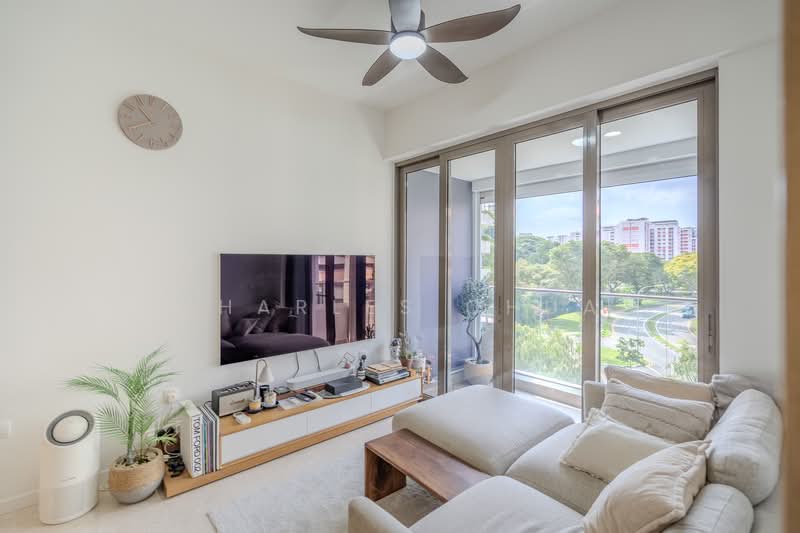
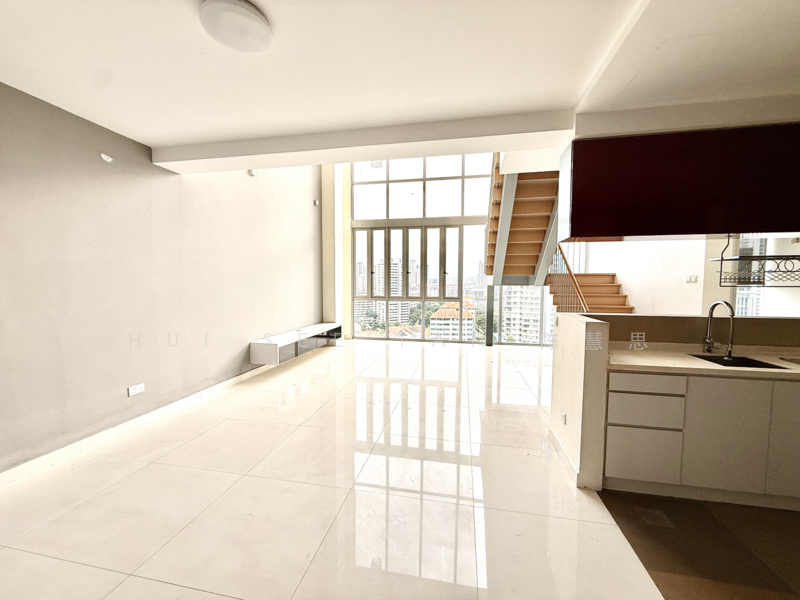
Several private residential developments also exist within walking distance of the station. Low-rise condominiums and landed properties dot the quieter streets, offering buyers seeking premium living spaces the option to upgrade from HDB stock. The mix of public and private housing means that Potong Pasir MRT caters to a wide spectrum of budgets and lifestyle preferences.
Current market dynamics show that properties within 800 metres of Potong Pasir MRT station command a premium over those further afield, reflecting the value Singapore property buyers place on walk-to-station convenience. HDB 4-room flats in the immediate vicinity typically trade between SGD 450,000 and SGD 550,000, depending on floor level, age, and renovation condition. Private condominiums in the area range from SGD 1.2 million to SGD 2.5 million, offering newer builds with enhanced amenities.
Potong Pasir MRT's position on the Circle Line provides seamless connections to critical nodes across Singapore. Residents can interchange at Dhoby Ghaut to access the Downtown Line and North-South Line, opening up the entire MRT network with relative ease. This hub-and-spoke advantage means professionals working in the Central Business District, Marina Bay, or along Orchard Road enjoy straightforward commutes without multiple bus changes.
Beyond rail, bus services remain robust in Potong Pasir. Numerous feeder bus services connect residential blocks directly to the MRT station, whilst trunk routes link the neighbourhood to regional shopping centres, hospitals, and employment zones. The Land Transport Authority regularly updates service frequencies, and the introduction of electric buses has improved air quality in the residential estate.
For motorists, the Pan-Island Expressway (PIE) sits just minutes away, providing rapid access to the northern and southern regions of the island. The proximity to major arterial roads makes Potong Pasir MRT neighbourhoods ideal for residents who split their commutes between public transport and private vehicles, or who frequently travel beyond the MRT network's reach.
Potong Pasir retains much of its character as a heritage neighbourhood, a factor that shapes its lifestyle appeal. The area remains home to several traditional shops, wet markets, and local food establishments that serve authentic cuisines reflecting Singapore's multicultural heritage. Morning walks to the neighbourhood market remain a way of life for many residents, offering fresh produce and a genuine sense of community connection often absent in newly developed estates.
Several shopping options lie within reasonable proximity. Whilst Potong Pasir lacks a major integrated development, nearby Geylang shopping centres provide everyday retail and dining options. Additionally, residents can access Paya Lebar Central, approximately 15 minutes away via MRT, which offers a more comprehensive shopping and entertainment experience.
Educational institutions in and around Potong Pasir cater to families with children. Primary and secondary schools operate within the planning area, many with strong academic reputations and established community ties. Parents seeking kindergartens will find several options clustered throughout the neighbourhood. The Ministry of Education maintains updated school directories allowing parents to cross-reference proximity and school performance metrics.
Healthcare facilities include Geylang Community Hospital and numerous private clinics dispersed throughout the estate, ensuring residents have ready access to medical services. The proximity of established healthcare infrastructure provides peace of mind, particularly for families with young children or elderly relatives.
From an investment perspective, Potong Pasir MRT presents compelling characteristics. The completion of the Circle Line removed a significant barrier to capital appreciation in this area. Previously, the neighbourhood's relative isolation made it less attractive to investors seeking to capture transport-driven value gains. The opening of Potong Pasir MRT station has fundamentally altered this calculus.
Historical data suggests that properties within walking distance of newly opened or soon-to-open MRT stations typically appreciate 8–12 per cent within two to three years of service commencement. Savvy investors who purchased HDB resale flats or private properties in Potong Pasir during the Circle Line's construction phase have positioned themselves well to capture this appreciation as the station's full utility becomes apparent to the broader market.
For owner-occupiers, Potong Pasir MRT represents excellent value. The neighbourhood offers significantly lower entry prices than nearby mature estates served by older MRT lines, whilst providing comparable or superior connectivity. This price-to-convenience ratio makes it particularly attractive for first-time buyers entering the property market or families seeking to upgrade without overstretching financially.
Potong Pasir's development trajectory diverges from Singapore's typical pattern of large-scale urban renewal and tall-building intensification. The neighbourhood has been earmarked to retain its low-density, residential character, with Urban Redevelopment Authority guidelines favouring conservation and modest enhancement over radical transformation. This commitment to preservation appeals to residents who value stability, established community networks, and the neighbourhood's distinctive identity.
Future developments in the area are likely to focus on enhancing existing infrastructure rather than wholesale redevelopment. Potential improvements might include street lighting upgrades, park enhancements, and further bus service optimisation. The Urban Redevelopment Authority Master Plan provides detailed guidance on anticipated developments and conservation priorities.
Property owners in Potong Pasir can therefore expect their investment to remain grounded in a stable, family-oriented neighbourhood rather than undergo the dramatic transformations that sometimes destabilise prices in rapidly gentrifying areas. For conservative investors seeking steady value appreciation without excessive volatility, this characteristic offers distinct appeal.
Prospective residents should note that Potong Pasir MRT station is relatively new, and resident familiarity with the area continues to grow. This newness creates both opportunities and considerations. Whilst the station itself has been constructed to high modern standards with adequate passenger capacity, some supporting infrastructure such as taxi stands and passenger pick-up areas may still optimise operations as usage patterns stabilise.
For HDB buyers, HDB Singapore provides comprehensive information on resale eligibility criteria, financing options through CPF, and the balloting system for rental options. First-time buyers should familiarise themselves with grants and subsidies available to support their entry into home ownership.
For private property purchasers, engaging qualified conveyancing lawyers, conducting thorough due diligence on title deeds and encumbrances, and obtaining independent property valuations remain essential steps. The property buying process involves multiple stakeholders, and professional guidance ensures smooth transactions.
Potong Pasir MRT represents an emerging residential hotspot within Singapore's property landscape. The combination of newly arrived rail connectivity, established community character, affordably priced housing stock, and a clear development philosophy emphasising preservation creates a compelling proposition for multiple segments of the property market.
Whether seeking a first home, an investment property positioned to capture Circle Line-driven appreciation, or a family residence within an established neighbourhood, Potong Pasir MRT offers genuine advantages. The station serves as a focal point for a neighbourhood that has successfully balanced modernisation with heritage preservation, creating a living environment increasingly difficult to find in densely developed Singapore.
As the Circle Line matures and resident familiarity with Potong Pasir grows, the neighbourhood's appeal and market performance will likely continue strengthening, making properties in the vicinity of Potong Pasir MRT station worthy of serious consideration by property buyers and investors.
7 properties in Potong Pasir MRT
S$ 1,350,000
2 Meyappa Chettiar Road · Condo · 2 min (170 m) from NE10 Potong Pasir MRT Station
S$ 1,250,000
60 Potong Pasir Avenue 1 · Condo · 9 min (750 m) from NE10 Potong Pasir MRT Station
S$ 598,000
108 Potong Pasir Avenue 1 · HDB · 6 min (500 m) from NE10 Potong Pasir MRT Station
S$ 900,000
60 Potong Pasir Avenue 1 · Condo · 9 min (750 m) from NE10 Potong Pasir MRT Station
S$ 4,000,000
38 St. Michael Road · Condo · 13 min (1.06 km) from NE10 Potong Pasir MRT Station
S$ 1,480,000
60 Potong Pasir Avenue 1 · Condo · 9 min (750 m) from NE10 Potong Pasir MRT Station
S$ 850,000
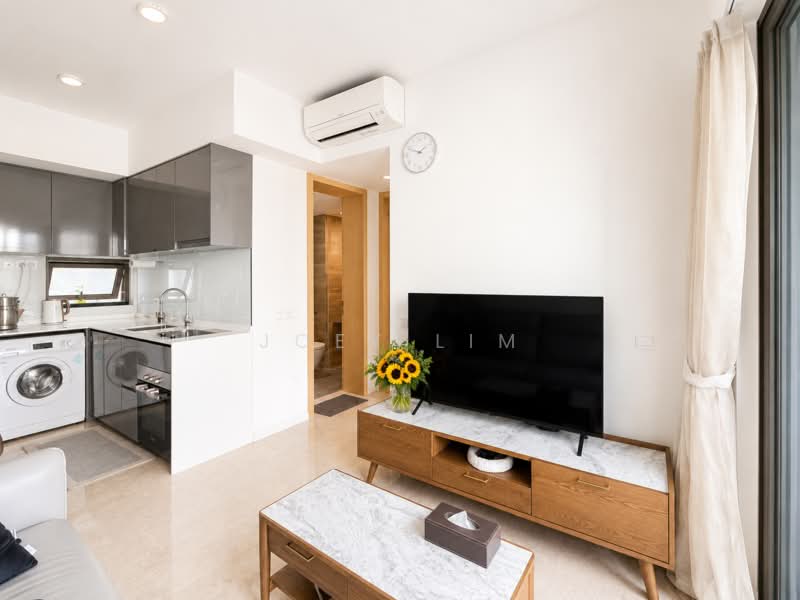
12 Meyappa Chettiar Road · Condo · 170 m (2 mins) from NE10 Potong Pasir MRT
The Potong Pasir area represents a mature residential enclave with stable pricing, making it relatively resilient during market fluctuations compared to new launch hotspots in emerging areas. With the North-East Line providing excellent connectivity to the CBD and other key nodes, properties within 200 metres of the station have demonstrated consistent demand from both owner-occupiers and investors seeking dependable long-term appreciation. Current market conditions favour buyers with medium to long-term holding horizons, particularly if you prioritise lifestyle convenience and established neighbourhood infrastructure over speculative capital gains.
Properties in the Potong Pasir vicinity have appreciated more modestly than district hotspots like District 9 and 10, typically tracking 1–3 per cent annually as the area is already well-established rather than emerging. The North-East Line's maturity means fewer surprise infrastructure improvements drive sharp revaluations, but this stability attracts institutional investors and upgraders seeking predictable returns. Compared to city fringe developments that have seen 15–20 per cent appreciation in the same period, Potong Pasir's conservative growth reflects its position as a prime convenience location rather than a speculative play.
Owner-occupiers and upgraders seeking a mature residential neighbourhood with immediate MRT access and established amenities are the ideal profile for Potong Pasir condominiums. Young professionals and couples commuting to the CBD or Marina Bay, as well as retirees downsizing from landed property, tend to extract maximum lifestyle value from this location's accessibility. Investors purely chasing capital appreciation or first-time buyers with tight budgets might find better value propositions in emerging MRT corridors with higher growth potential, though Potong Pasir remains a sound long-term hold for rental yield-focused portfolios.
At the S$850,000 price point, a typical mortgage would require around S$255,000 down (30 per cent), with banks offering 70 per cent loan-to-value financing over 25–30 years at current rates of approximately 3.5–4.2 per cent per annum. This translates to monthly mortgage servicing of roughly S$3,000–S$3,500 excluding property tax and maintenance fees, making the investment accessible to dual-income households earning above S$150,000 annually. First-time buyer grants and housing development board (HDB) resale proceeds can significantly ease the down payment burden, whilst investors should factor in ABSD implications, which will increase the effective financing cost by 5–15 per cent depending on citizenship and ownership structure.
Foreign investors face an Additional Buyer's Stamp Duty (ABSD) rate of 20 per cent on the purchase price in addition to standard stamp duty, making the total acquisition cost significantly higher than for Singaporean citizens. On an S$850,000 purchase, ABSD alone would amount to S$170,000, dramatically affecting the investment thesis and cash-on-cash return calculations. Whilst stamp duty on the S$850,000 consideration would be approximately S$15,100 for foreign investors, the combined ABSD and stamp duty burden of around S$185,100 (21.8 per cent) effectively raises the entry price to S$1,035,100 and typically deters foreign capital unless rental yields exceed 4–5 per cent to justify the additional tax load.
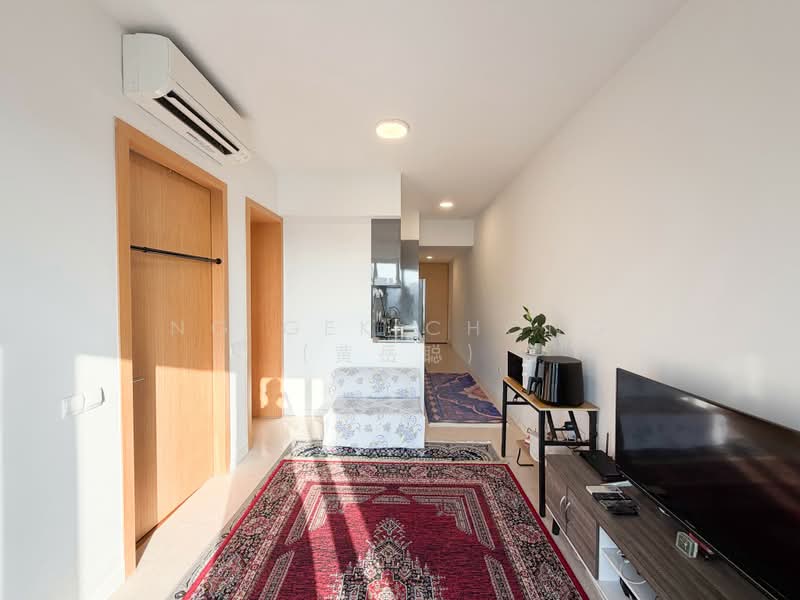
Condominiums in the Potong Pasir vicinity typically generate gross rental yields of 2.8–3.5 per cent, reflecting the area's maturity and limited scarcity value compared to city-fringe projects achieving 3.8–4.5 per cent yields. A one-bedroom unit such as the referenced S$850,000 property would command monthly rents of approximately S$2,400–S$2,800, attracting a steady stream of young professionals and expatriates on short-term assignments—a favourable tenant profile with minimal vacancy risk. Vacancy rates in this mature, well-connected location rarely exceed 5–8 per cent, significantly lower than emerging districts, making it a lower-risk albeit lower-return proposition for conservative yield-focused investors seeking portfolio stability.
Properties within 200–300 metres of Potong Pasir MRT station command a 5–12 per cent price premium compared to similar units 400–600 metres away, as the walking distance threshold of two minutes substantially enhances commute convenience and lifestyle appeal. The North-East Line's strategic connection to Orchard, Dhoby Ghaut, and Marina Bay areas means that station proximity directly translates to reduced commute times and operational property costs for tenant recruitment. Beyond 500 metres, price appreciation diminishes noticeably, and units begin competing with alternative MRT corridors or bus-dependent locations, demonstrating that the station's gravitational effect on values remains concentrated within a tight 300-metre radius in this established neighbourhood.
The Potong Pasir area has limited new supply in the immediate pipeline, with most incoming residential projects concentrated in adjacent Serangoon and Bartley precincts rather than directly on the NE10 line. This scarcity of new launches historically supports rental demand and price stability for existing condominiums like The Poiz Residences, as owner-occupiers and investors lack alternative new products to absorb demand. Future Urban Redevelopment Authority (URA) Master Plan constraints in this mature central region suggest that new supply will remain controlled, providing long-term support for existing property valuations—a positive factor for current owners but a consideration for investors expecting significant capital appreciation from external demand drivers.
Condominiums at Potong Pasir, typically built in the 1990s and 2000s, generally carry remaining leases of 70–80 years, which presents minimal immediate concern but becomes a material consideration for long-term hold investors or those approaching their retirement decade. Banks typically impose a loan tenure cap that prevents loan periods extending beyond the lease end, meaning a unit with 70 years remaining may only qualify for a 30–35 year mortgage for an investor aged 50 and above. Whilst Singapore condominiums do not face statutory lease expiry like HDB flats, prospective buyers should scrutinise the remaining lease term and potential for lease top-up eligibility, as properties falling below 50 years of remaining tenure may see liquidity constraints and valuation discounts of 10–20 per cent in resale.
Beyond the headline asking price, assess the property's maintenance charges, sinking fund reserve levels, and the age and condition of the building's structural components, as older condominiums occasionally face major upgrading costs that translate into rising management fees. Verify the specific unit's floor level, orientation (east-facing units in this neighbourhood tend to experience afternoon heat), proximity within the development to the MRT station entrance, and whether the unit offers practical layouts aligned with your intended occupancy or rental profile—a one-bedroom configuration suits young professional tenants, whilst families increasingly demand two to three bedrooms. Conduct thorough due diligence on the development's tenant profile and recent transaction prices for comparable units to avoid overpaying; cross-reference recent transactions within the same or adjacent buildings to establish realistic benchmarks and negotiate effectively.
Free Property Valuation
Enter your postal code and get a free instant valuation report straight to your inbox.