5 properties in Pioneer MRT
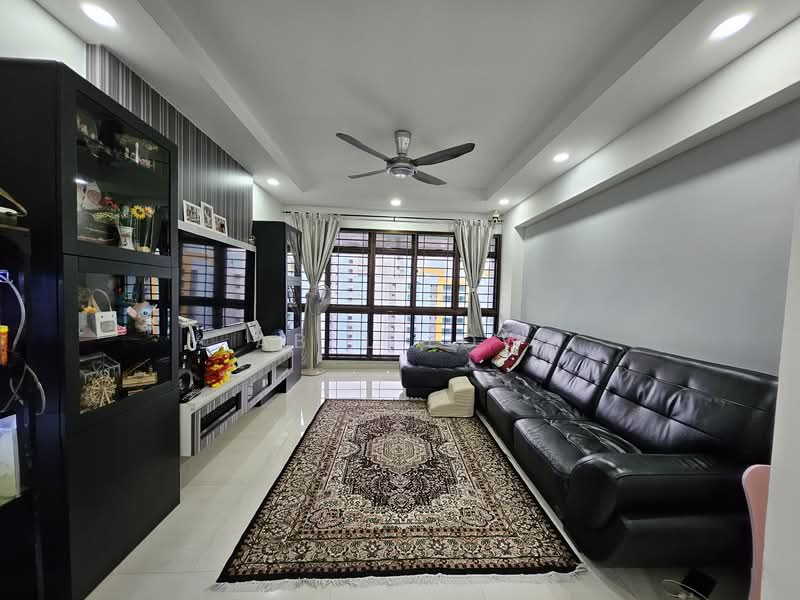
S$ 738,888
714 Jurong West Street 71 · HDB · 10 min (870 m) from EW28 Pioneer MRT Station
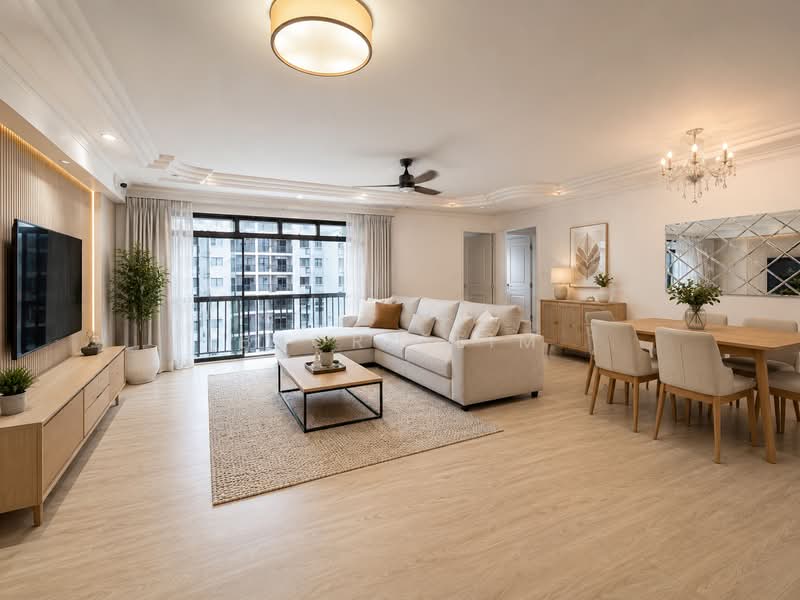
S$ 700,000
653B Jurong West Street 61 · HDB · 4 min (360 m) from EW28 Pioneer MRT Station
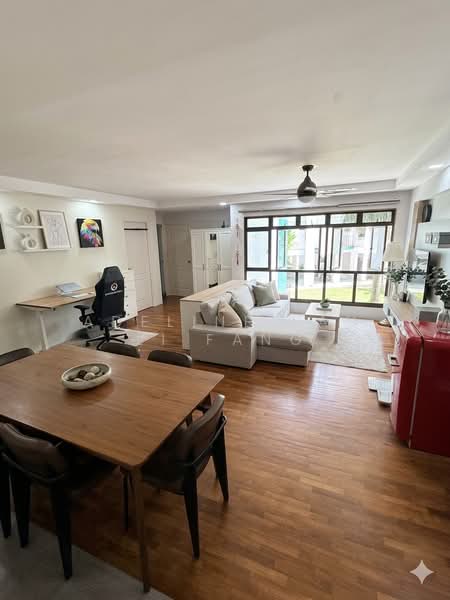
S$ 680,000
663B Jurong West Street 65 · HDB · 6 min (510 m) from EW28 Pioneer MRT Station
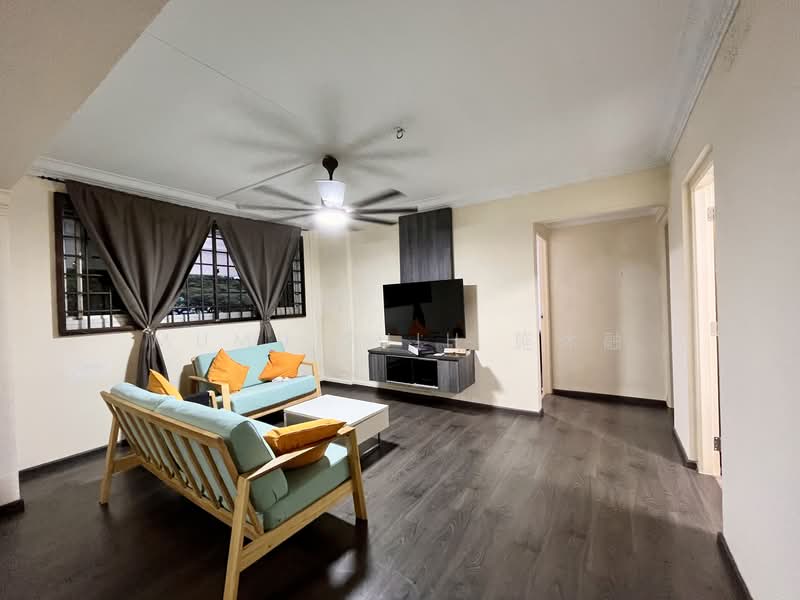
S$ 618,000
631 Jurong West Street 65 · HDB · 12 min (1.03 km) from EW28 Pioneer MRT Station
S$ 495,000
826 Jurong West Street 81 · HDB · 18 min (1.49 km) from EW28 Pioneer MRT Station
Properties within 400 metres of Pioneer MRT Station command a notable premium, with units like 653B Jurong West Street 61 priced at S$700,000 despite being comparable in size to units further away. The data shows a clear price gradient, with each 300-400 metre increase in walking distance correlating to approximately S$20,000-S$40,000 reduction in value, reflecting the West Region's reliance on MRT connectivity for commuting to the CBD and other employment nodes. This proximity premium is particularly pronounced for working professionals and young families who prioritise direct access to the East-West Line without requiring alternative transport modes.
The current market shows relative stability for HDB flats in the Jurong West vicinity, with prices reflecting realistic buyer sentiment rather than speculative demand seen in prime central districts. Interest rates have stabilised at elevated levels, making affordability a key consideration for first-time buyers, though HDB loans remain more accessible than private financing options. For investors seeking steady rental yields from a maturing estate with established amenities and transport infrastructure, Pioneer MRT properties present a pragmatic option, though capital appreciation may be modest compared to emerging growth areas or city-fringe developments.
HDB flats near Pioneer MRT typically achieve gross rental yields of 2.5-3.5% annually, depending on unit size, condition, and exact proximity to the station, with a 4-room flat renting for approximately S$2,100-S$2,400 monthly. Vacancy risks are relatively low given the area's demographic profile of young families, migrant workers, and tenants seeking affordable west-side accommodation with reliable MRT access; however, oversupply of new HDB units in nearby precincts like Tengah could gradually compress yields. The rental market here is primarily tenant-driven rather than investor-driven, meaning returns depend on consistent demand for affordable accommodation rather than property speculation.
Investors purchasing HDB flats near Pioneer MRT are not subject to Additional Buyer's Stamp Duty (ABSD) as HDB properties are exempt from this levy, providing a significant advantage over private property investors. However, they remain liable for standard Buyer's Stamp Duty at progressive rates (ranging from 1-4% of purchase price depending on property value), which on a S$700,000 flat would amount to approximately S$14,000. For investors, the HDB exemption from ABSD makes these properties more cost-efficient entry points compared to private residential alternatives, though the lower capital appreciation potential means total returns depend heavily on rental income sustainability.
Most HDB flats near Pioneer MRT were built in the 1980s-1990s and currently hold lease tenures of approximately 70-75 years remaining, which is still acceptable for financing purposes but signals that buyers should be cognisant of potential en-bloc renewal or further depreciation in the medium to long term. Banks typically finance HDB properties with remaining tenure above 60 years without restriction, but buyers should verify the exact lease expiry date and understand HDB's potential guidelines for lease renewal subsidies or buyback programmes. Younger buyers with 20-30 year holding horizons may face challenges selling units with residual tenures below 50 years without significant discounts, making lease tenure an important negotiation point in purchase negotiations.
First-time HDB buyers seeking affordability without sacrificing transport connectivity represent the primary demographic, particularly young working professionals commuting to CBD or business parks in the east and central regions. Upgraders from smaller HDB units in older estates seeking more space at reasonable prices, and investors targeting stable rental yields from a mature, well-established residential area also comprise significant buyer segments. Expatriate workers and migrant professionals renting in the area also drive demand, making owner-occupiers in their 20s-40s with household incomes of S$5,000-S$10,000 monthly the demographic sweet spot for this property category.
The broader Jurong Region transformation, including redevelopment of industrial zones into mixed-use precincts and new transport infrastructure, positions Pioneer MRT as a beneficiary of increased foot traffic and economic activity over the next 10-15 years. However, the rollout of new HDB supply in nearby growth areas like Tengah and Punggol (via future extensions) may moderate capital appreciation by meeting housing demand at lower-priced locations. Investors should view Pioneer MRT properties as benefiting from incremental improvements in neighbourhood amenities and connectivity rather than transformative upside, with value creation driven primarily by the estate's maturity and stability rather than speculative redevelopment.
At the typical price range of S$500,000-S$740,000, most first-time buyers would require an HDB loan covering 80-90% of the purchase price, with monthly repayments of approximately S$2,000-S$3,500 depending on loan tenure and household income composition. HDB loan interest rates are currently pegged to fixed rates (typically 2.6% per annum), providing greater predictability compared to bank loans, making affordability calculations more transparent for buyers. However, buyers must satisfy the Mortgage Servicing Ratio (MSR) of 30% and Total Debt Servicing Ratio (TDSR) of 60%, meaning household incomes must typically exceed S$6,500-S$8,000 monthly to comfortably support a S$700,000 purchase with standard loan terms.
Pioneer MRT properties have appreciated modestly at 1-2% annually over the past 3-5 years, tracking below the broader HDB resale index which has seen stronger growth of 2-3% in core central regions and emerging areas with new supply pipelines. The west region, including Pioneer, experiences more muted appreciation due to limited new development catalysts and slower population growth compared to Punggol and Tampines, though price volatility is also lower. This stability can be viewed as a benefit for conservative buyers prioritising predictability over capital gains, though investors seeking capital-led returns may find better opportunities in precincts with confirmed infrastructure or regeneration plans.
Beyond the obvious MRT proximity metric, buyers should scrutinise block positioning relative to Jurong West Street's traffic corridors (blocks fronting major roads experience higher noise and air pollution), HDB block age and maintenance records (indicating likelihood of future upgrading programmes), and the unit's floor level and orientation (higher floors and north-facing units command premiums). The exact remaining lease tenure, proximity to hawker centres, neighbourhood amenities (parks, supermarkets, clinics), and any planned redevelopment notices should be cross-checked against HDB records and the Urban Redevelopment Authority's development plans. Additionally, buyers should assess the proportion of owner-occupiers versus investors in each block, as high investor concentrations can indicate rental-focused communities with potentially less community cohesion and higher tenant turnover affecting property vibrancy.
Free Property Valuation
Enter your postal code and get a free instant valuation report straight to your inbox.