4 properties in Pending LRT
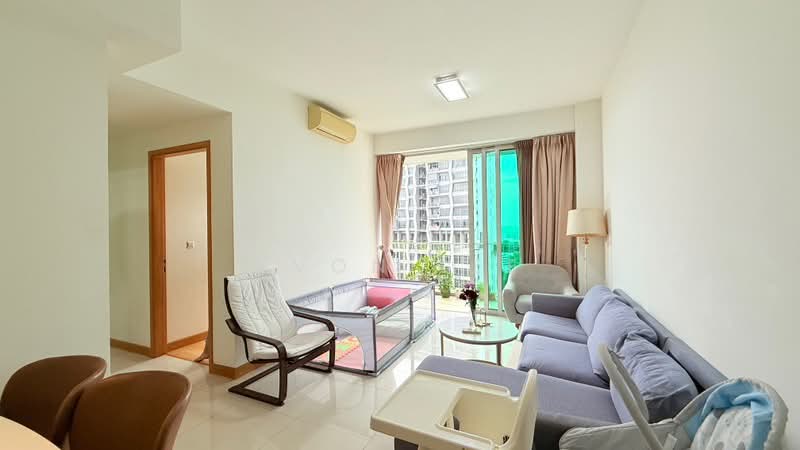
S$ 1,480,000
60 Chestnut Avenue · Condo · 12 min (1.01 km) from BP8 Pending LRT Station
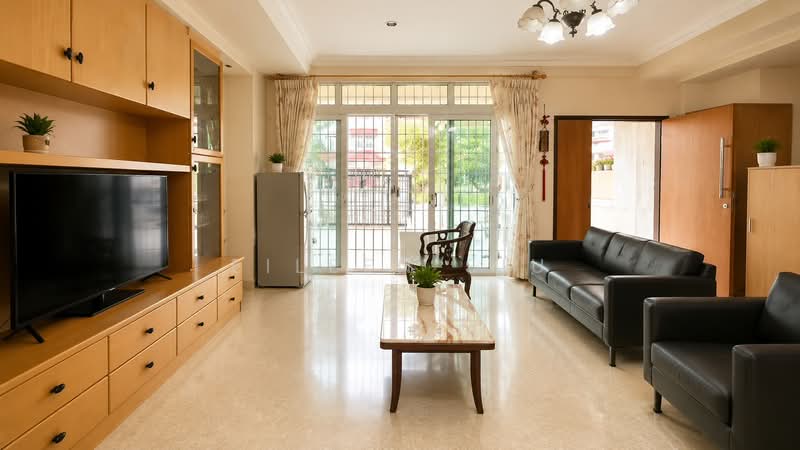
S$ 3,100,000
Almond Crescent · Landed · 10 min (810 m) from BP8 Pending LRT Station
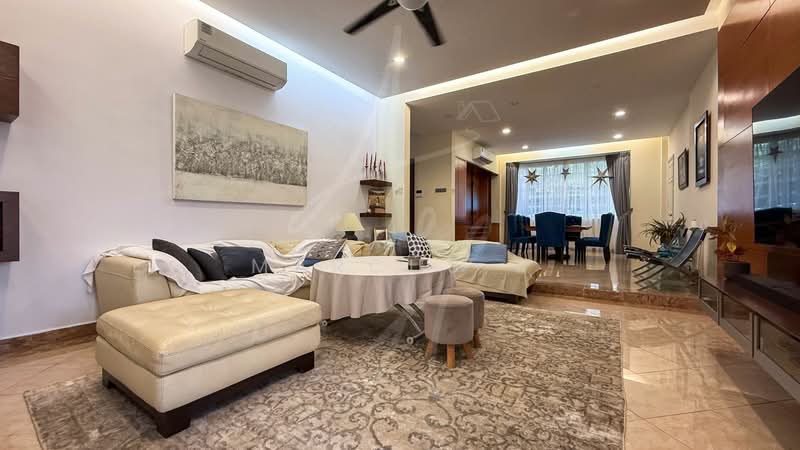
S$ 19,500,000
Chestnut Avenue, Chestnut Drive, Chestnut Crescent · · 11 min (930 m) from BP8 Pending LRT Station
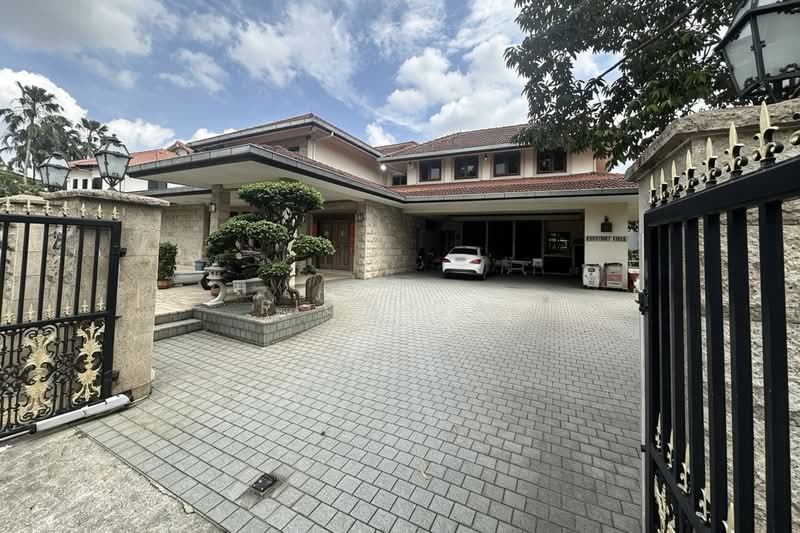
S$ 22,000,000
· 8 min (660 m) from BP8 Pending LRT Station
Properties within walking distance of the upcoming BP8 LRT station present a calculated opportunity, though investors must weigh infrastructure delivery timelines against current pricing. Historically, Singapore's LRT projects have delivered as planned—the Jurong Region Line and Cross Island Line demonstrate the government's track record—which provides confidence in the station's completion. However, current listings show a wide price range from S$1.48 million condominiums to S$22 million GCBs, suggesting the market has already priced in some appreciation potential; buyers should ensure fundamentals support their purchase rather than betting solely on infrastructure upside.
The current listings in this pending LRT area show prices comparable to or slightly discounted versus established LRT/MRT corridors, reflecting the execution risk premium typical of projects still under construction. A S$1.48 million condominium here would typically command similar or premium pricing if located near an operational MRT station, suggesting the market has not yet fully capitalised on the future transport connectivity. Once the BP8 station opens and operational benefits become visible—reduced commute times to established nodes—appreciation potential exists, particularly for sub-2km properties like those listed at 10-12 minutes walk.
Owner-occupiers with 5+ year holding horizons are ideally positioned for this catchment, as they can benefit from both property appreciation upon LRT opening and the neighbourhood maturation process without pressure to realise gains immediately. Investors seeking rental yield should note that tenant demand will likely increase materially once the station becomes operational; currently, yield expectations may be modest given the limited infrastructure maturity. Wealthy owner-occupiers seeking luxury homes (GCBs and terraces at S$19-22 million) are also well-suited, as they prioritise location exclusivity and long-term capital stability rather than near-term liquidity or rental income.
The condominium segment (circa S$1.48 million) remains accessible to mid-to-upper-income families with 25-30% down payments of approximately S$370,000-440,000, with mortgage servicing ratios manageable under current LTV caps of 80% for owner-occupiers. Terraced properties at S$3.1 million require proportionally similar down payments but appeal to a narrower buyer base, though financing remains available at competitive rates given Singapore's current monetary environment. Luxury detached houses at S$19-22 million predominantly attract cash-rich or highly leveraged buyers; whilst banks will lend up to 70-75% LTV on established properties, the ultra-high net worth segment typically self-funds or uses structured financing, making affordability less of a constraint than investment thesis alignment.
Investors (non-owner-occupiers) face Additional Buyer's Stamp Duty of 20% on the purchase price for residential properties, substantially increasing acquisition costs—a S$1.48 million purchase incurs ABSD of S$296,000 on top of standard stamp duty, making the total upfront cost approximately S$365,000-375,000 depending on legal fees. For terraced and detached properties, ABSD calculations are identical in percentage terms, so a S$3.1 million terrace incurs S$620,000 in ABSD alone, fundamentally affecting cash-on-cash returns and break-even horizons. Stamp duty on the transfer itself ranges from 1-4% depending on purchase price bands; investors must factor these components into yield calculations, as ABSD significantly compresses returns unless capital appreciation or rental demand increases materially upon LRT commissioning.
Current rental yields for the condominium segment are likely in the 2.5-3.5% gross range, below Singapore's prime district averages of 3-4%, reflecting the nascent infrastructure maturity and limited tenant appeal until the BP8 station becomes operational. Vacancy risk is elevated in the near term given the limited commuter base and lower brand recognition compared to established MRT corridors; landlords should budget for 2-4 months of vacant periods between tenancies, particularly for premium units without significant value-add. Upon LRT opening within the next 3-5 years, rental demand and yields should improve markedly, positioning patient investors for meaningful returns; properties within 600-800m of the station (as per the GCB and some terraced listings) will likely attract the earliest and strongest tenant interest.
Properties within 600-800m (approximately 8-10 minutes' walk) command the strongest price premiums in pending LRT corridors, as evidenced by the GCB at S$22 million priced at merely 8 minutes and 660m from the station, versus the condominium at S$1.48 million positioned 12 minutes and 1.01km away. Walking distance is critical because stations with pedestrian accessibility above 1.2km typically rely on feeder bus services, which reduces the primary value driver of LRT connectivity; the 200-400m differential between the closest and furthest listings in this sample likely accounts for 10-15% valuation variance independent of unit specifications. Once operational, the S$22 million GCB's proximity advantage will likely compound, as ultra-high net worth buyers increasingly value seamless 8-minute connectivity to a new transport hub, potentially pushing appreciation rates 2-3% annually above properties at the outer 1km perimeter.
As of the latest planning information, several mixed-use and residential developments are in planning or early construction phases within 1.5km of the BP8 station, with expected completion windows overlapping or shortly after the LRT opening scheduled for 2027-2028; these new supplies will likely absorb pent-up demand and moderate price escalation in the immediate post-opening period. The supply pipeline includes Build-to-Order (BTO) and private residential components; private launches will compete directly with existing stock, placing pricing pressure on earlier-purchased units that lack competitive differentiation (newer architecture, integrated transit-oriented design, or premium finishes). Investors should track URA's planning briefs and developer announcements closely; properties with unique characteristics—such as GCBs or rare freehold tenure—will retain scarcity value despite new supply, whereas mid-tier condominiums may experience 5-10% price moderation if new launches offer contemporary specifications and pricing efficiency.
Most private condominiums in this precinct operate on 99-year leasehold tenures with varying completion dates; properties with >85 years remaining command minimal tenure discount (under 5%), whilst those approaching 80-85 years may face 8-12% valuation haircuts and increased financing restrictions as some banks become risk-averse on shorter-lease collateral. Detached houses and terraced properties near the BP8 LRT corridor occasionally include freehold or 999-year leasehold components, which command substantial premiums (15-25% uplift) relative to 99-year equivalents; the current GCB and terrace listings likely benefit from superior tenure structures, justifying their elevated price-per-land-area ratios. Buyers should verify lease commencement dates and request tenure details from agents; properties with leases expiring before 2070 may face refinancing challenges or future enbloc risks, particularly relevant for investors with 15+ year hold horizons who depend on stable collateral values for debt management.
Prioritise exact walking distance and pedestrian route connectivity to the BP8 station location (not straight-line distance); use Google Maps and on-site reconnaissance to assess gradient, street-level safety, and crossing convenience, as poor walkability at 800m can feel worse than 1.2km with direct, flat access. Verify the LRT project's current construction phase and opening timeline through the Land Transport Authority's official announcements; avoid over-weighting speculative infrastructure benefits without independent confirmation of completion schedules and operational models (frequency, endpoint connectivity). Assess current neighbourhood amenities (schools, clinics, supermarkets, dining) rather than assuming the LRT station alone will drive property utility, as commuter convenience means little if daily convenience shopping and childcare options remain distant; also cross-check rental demand by speaking with local agents and reviewing listings for comparable units to establish realistic yield expectations before purchase commitment.
Free Property Valuation
Enter your postal code and get a free instant valuation report straight to your inbox.