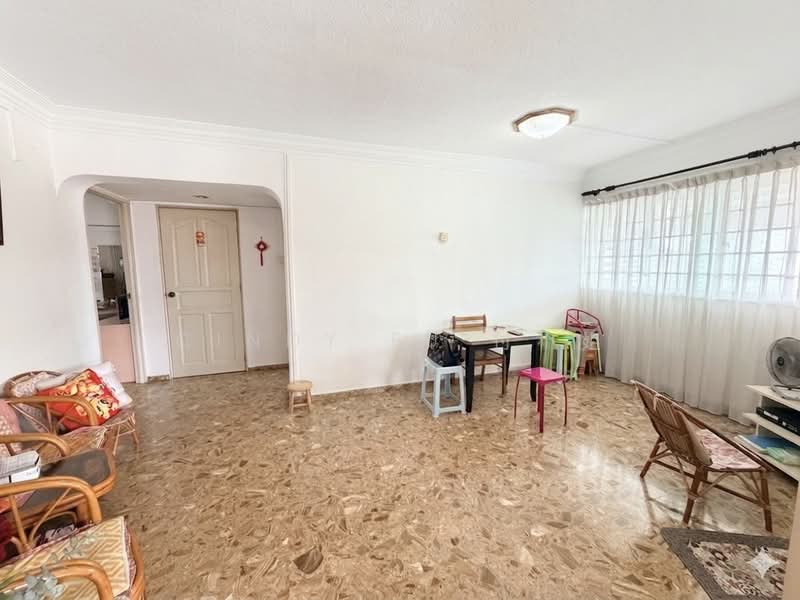
7 properties in Paya Lebar MRT
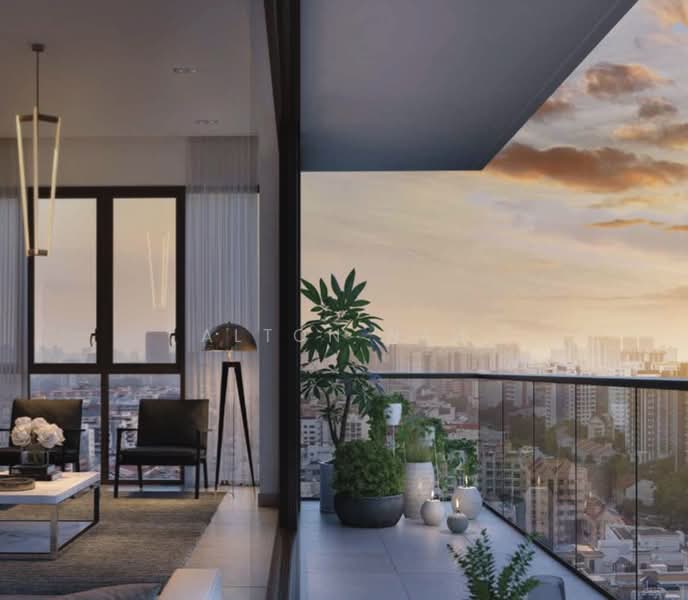
S$ 2,700,000
2 Paya Lebar Road · Condo · 4 min (310 m) from EW8 Paya Lebar MRT Station
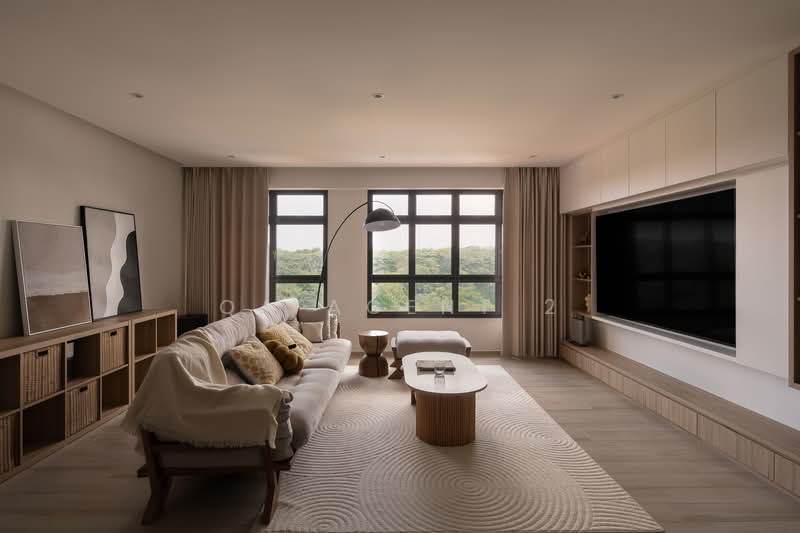
S$ 1,500,000
27 Paya Lebar Road · Condo · 3 min (280 m) from EW8 Paya Lebar MRT Station
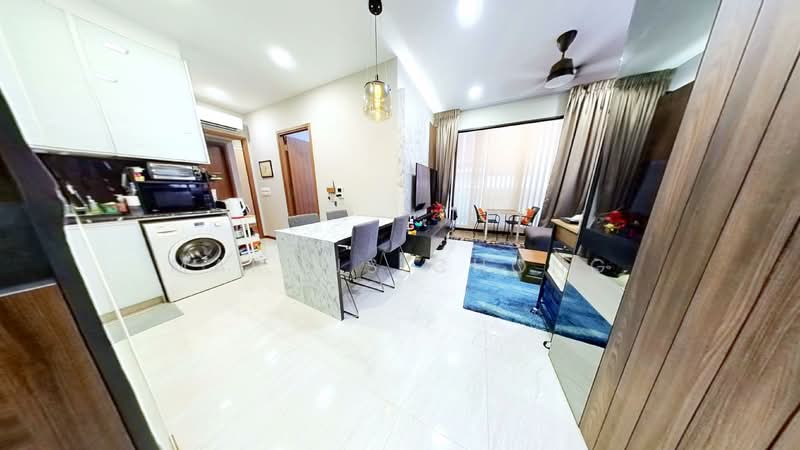
S$ 1,199,999
16 Lorong 35 Geylang · Condo · 8 min (670 m) from EW8 Paya Lebar MRT Station
S$ 1,250,000
16 Lorong 35 Geylang · Condo · 8 min (670 m) from EW8 Paya Lebar MRT Station
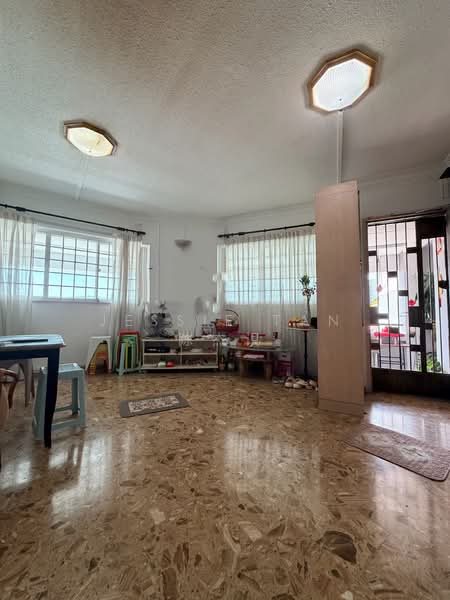
S$ 600,000
4 Joo Chiat Road · HDB · 10 min (870 m) from EW8 Paya Lebar MRT Station
S$ 1,399,999
8 Sandy Ln · Condo · 10 min (840 m) from EW8 Paya Lebar MRT Station
S$ 598,888
4 Joo Chiat Road · HDB · 10 min (870 m) from EW8 Paya Lebar MRT Station
The Paya Lebar MRT area presents a balanced investment opportunity in 2024, with prices ranging from S$600,000 for HDB flats to S$2.7 million for premium condominiums, reflecting healthy market segmentation. The East-West Line's strategic position connecting the CBD and eastern suburbs continues to attract both owner-occupiers and investors seeking accessibility without peak CBD premiums. However, purchasers should monitor the broader private residential market, which has experienced modest growth of 2-3% annually, to ensure entry timing aligns with personal financial goals rather than speculative gains.
Properties within a 10-minute walk of Paya Lebar MRT have demonstrated more resilient pricing than some suburban markets, largely due to the station's connectivity and the area's mixed-use character spanning Geylang, Joo Chiat, and Sandy Lane. The price range from S$600,000 to S$2.7 million reflects stable demand across multiple segments, whereas the overall private residential market has seen flatter growth of approximately 1-2% year-on-year in recent quarters. This relative stability suggests the MRT proximity acts as a price stabiliser, particularly for mid-tier condominiums priced between S$1.2 million and S$1.5 million.
Young professionals and expatriate workers seeking efficient commutes to the CBD or Marina Bay financial district are the primary buyer demographic, particularly for apartments and smaller condominiums priced under S$1.5 million. The area also attracts young families valuing proximity to established neighbourhoods like Joo Chiat with its heritage appeal and local amenities, alongside investors targeting stable rental yields from the consistent tenant demand. HDB flats in the vicinity appeal to first-time homebuyers and upgraders, whilst premium condominium units attract affluent owner-occupiers and property investors seeking tax-advantaged long-term holdings.
HDB flats priced at approximately S$600,000 are highly accessible for first-time buyers, with HDB concessional loans offering up to 90% LTV and competitive interest rates, making the monthly mortgage burden manageable for median household incomes. Private apartments and condominiums in the S$1.2-1.5 million range require bank financing with typically 75-80% LTV, translating to initial down payments of S$240,000-375,000 and monthly servicing costs of S$5,000-7,000 at current interest rates around 3.5-4%. Properties at the premium end, such as Park Place Residences at S$2.7 million, demand substantial capital reserves and target high-net-worth individuals or professional investors comfortable with significant leverage.
Foreign investors and Singapore permanent residents (non-citizens) face ABSD of 15% on property purchases, making an S$1.2 million condominium purchase cost an additional S$180,000 in ABSD alone, significantly impacting investment returns. Singapore citizens purchasing their second property incur ABSD starting at 5% of the purchase price, whilst a third property attracts 10%, effectively raising the cost of acquisition for property investors building a portfolio in this area. Stamp duty on purchase is tiered but typically ranges from 1% to 4% depending on property value, and investors should factor these costs into yield calculations, as they materially affect break-even timelines for rental-focused acquisitions.
Properties in this area typically achieve gross rental yields of 3-4% annually, with apartments and smaller condominiums commanding stronger tenant demand and lower vacancy rates due to their appeal to expatriates and young professionals on fixed-term assignments. Vacancy risk is relatively modest compared to suburban markets, with the MRT connectivity ensuring consistent inquiry flow, though economic downturns and increased housing supply in adjacent areas can compress yields by 0.5-1% within short periods. HDB flats in the vicinity have demonstrated exceptionally low vacancy, often achieving 95%+ occupancy rates, though rental growth is capped by HDB regulations and typically increases 2-3% annually in line with household income growth.
Properties within 5 minutes' walk (approximately 400 metres) of Paya Lebar MRT command a 10-15% premium over those located 10-15 minutes away, reflecting buyer and tenant preferences for minimal commute friction; the two closest listings here (Park Place Residences and Paya Lebar Residences) are priced at S$2.7 million and S$1.5 million respectively, versus Sixteen35 Residences at 8 minutes' walk priced at S$1.2-1.25 million. The valuation uplift from MRT proximity becomes more pronounced in lower-price segments, where first-time buyers are particularly sensitive to transport convenience and overall cost-of-ownership, making HDB flats near the station materially more sought-after. Properties beyond a 10-minute walk (such as Sandy Eight at 840 metres) face noticeable demand softening unless located in particularly desirable micro-neighbourhoods like Joo Chiat, where heritage and lifestyle factors provide partial offsets to transport disadvantage.
The Paya Lebar precinct has limited immediate new residential supply within the primary MRT catchment, with most recent completions being established buildings, suggesting limited near-term dilution of existing property values or tenant competition. The Urban Redevelopment Authority's long-term plans for the surrounding areas include mixed-use developments and retail enhancements, which may gradually increase amenity appeal but are unlikely to add significant residential units within the next 3-5 years. Any upcoming institutional or commercial developments in peripheral areas should be monitored closely, as they may influence long-term rental demand and property desirability, particularly for investor-focused acquisitions.
HDB flats in the area are typically 99-year leasehold with remaining tenure of 60-80 years (depending on purchase year), which is generally acceptable to most banks and buyers but may require careful lease-renewal planning if purchasing older units; buyers should verify the exact remaining lease as it directly impacts financing eligibility and long-term resale value. Condominium leasehold titles in this area are predominantly 99-year leases, providing generational holding periods adequate for most investors, though purchasing properties with significantly worn leases (below 70 years remaining) may encounter refinancing difficulties. For long-term owner-occupiers, leasehold tenure is a secondary concern, but investors should prioritise units with at least 70+ years remaining to ensure stable rental income over multiple lease cycles and avoid future capital value erosion.
Positive factors include verified MRT walk times (prioritise properties claiming under 5 minutes), building age and renovation status (newer buildings command fewer defect liabilities), en-bloc risk assessment (particularly relevant for 1980s-1990s condominiums), and proximity to amenities such as supermarkets, healthcare, and schools which support rental demand. Red flags to investigate include structural issues or pending maintenance works (request management council minutes and sinking fund status), noise and air quality impacts from nearby major roads (Paya Lebar Road experiences significant traffic), and any historical disputes with town councils or management bodies that might indicate governance issues. Additionally, verify parking availability and costs, assess flood risk using URA flood mapping tools given the area's low-lying topography in parts of Geylang, and examine the building's tenant composition and lease turnover rates, as high short-term rental activity may indicate quality concerns or indicate the property sits in a transitional zone subject to future redevelopment pressures.
Free Property Valuation
Enter your postal code and get a free instant valuation report straight to your inbox.