5 properties in Pasir Ris East MRT
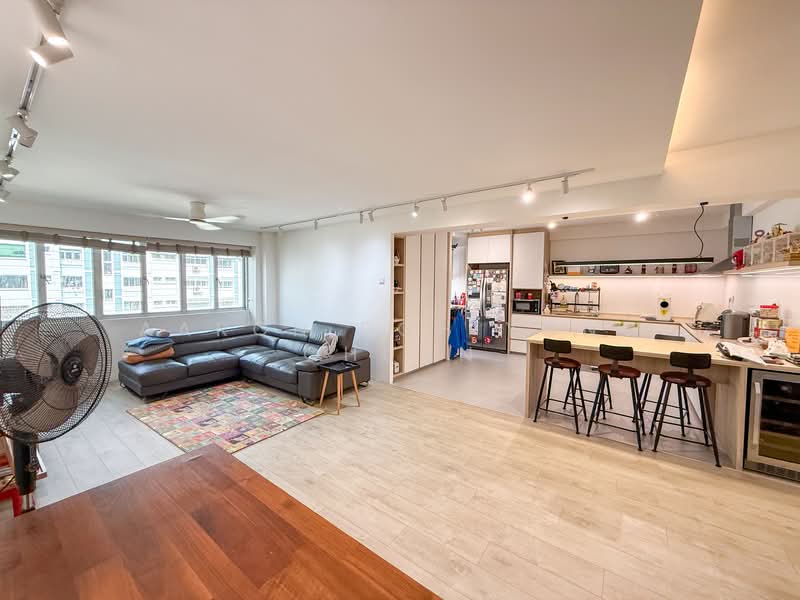
S$ 978,000
222 Pasir Ris Street 21 · HDB · 6 min (530 m) from CR4 Pasir Ris East MRT Station
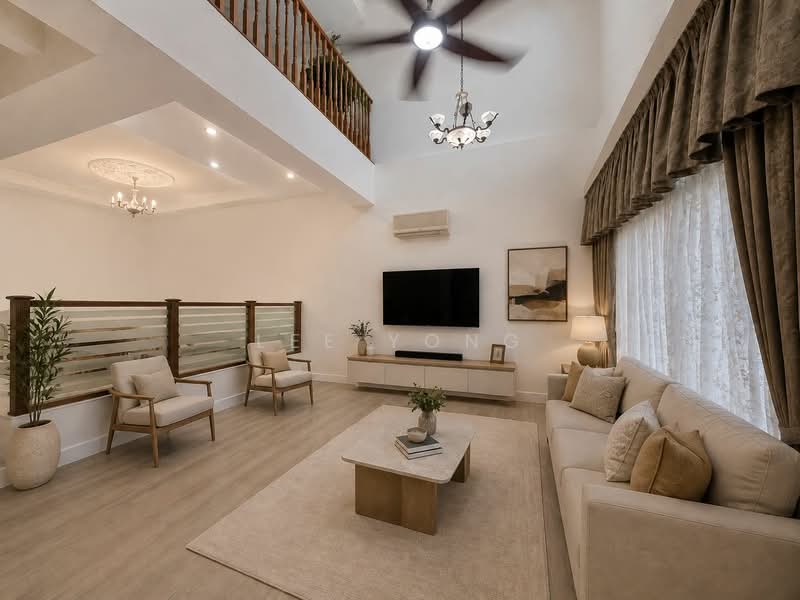
S$ 2,838,333
Loyang Rise · Landed · 14 min (1.12 km) from CR4 Pasir Ris East MRT Station
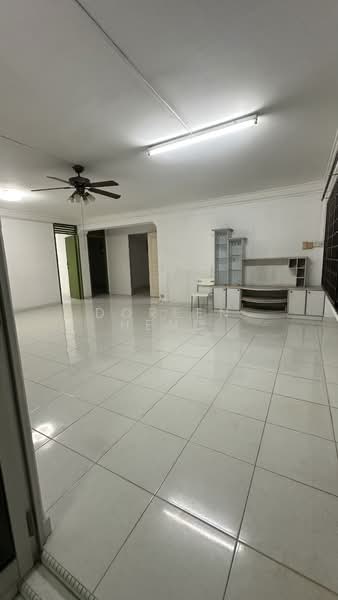
S$ 780,888
235 Pasir Ris Street 21 · HDB · 10 min (860 m) from CR4 Pasir Ris East MRT Station
S$ 2,550,000
Loyang Rise · Landed · 14 min (1.12 km) from CR4 Pasir Ris East MRT Station
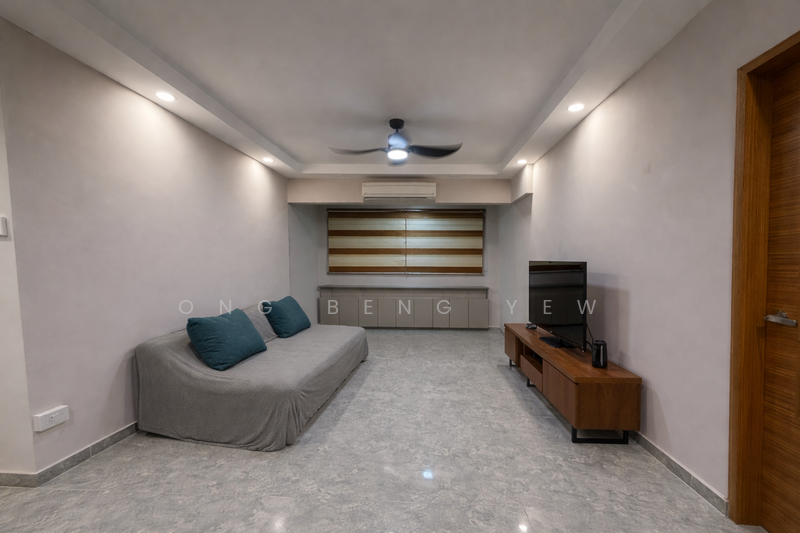
S$ 888,888
153 Pasir Ris Street 13 · HDB · 10 min (820 m) from CR4 Pasir Ris East MRT Station
Pasir Ris East represents good value relative to more central mature estates like Toa Payoh or Bukit Merah, with HDB flats trading in the S$780k to S$978k range for 3-4 room units. The estate benefits from recent infrastructure improvements and the Circle Line extension, which has stabilised property values and attracted upgraders seeking affordable alternatives to city fringe locations. However, the broader HDB market shows cooling sentiment as interest rates remain elevated, so buyers should focus on units with strong remaining lease tenures and proximity to amenities rather than speculative gains.
Units within 600-800 metres of Pasir Ris East MRT Station command a visible premium, with the nearest HDB flat at 222 Pasir Ris Street 21 priced at S$978k versus S$780-889k for similar units 10 minutes away, representing approximately 15-25% price uplift for proximity. The walking distance advantage is particularly valued by younger working professionals and families without vehicles, as it reduces reliance on feeder buses and enhances daily convenience. This proximity premium is likely to persist given Singapore's long-term shift towards car-lite living and the MRT's role as the primary commute backbone for eastern workers heading to the CBD or Jurong.
HDB rental yields in Pasir Ris East typically range from 3-3.5% gross, with S$1,800-2,200 monthly rent achievable for 3-room units and S$2,400-2,800 for 4-room units, based on current market evidence. The primary tenant base consists of young working couples, small families, and transfer workers seeking affordable, well-connected living near Tampines or Changi employment nodes, with relatively stable occupancy given the estate's maturity and established amenity ecosystem. Vacancy risk remains low in this segment compared to prime district rentals, though landlords should factor in the older building stock requiring more frequent maintenance, which can eat into net yields.
Investors purchasing a second or subsequent residential property at Pasir Ris East will face ABSD of 15% on the purchase price if the property is held in their personal name, or 25% if held via a corporate entity, significantly increasing effective acquisition costs for investment portfolios. For example, a S$850k HDB flat purchase would incur approximately S$127,500 in ABSD, making the total outlay considerably higher than owner-occupier scenarios where no ABSD applies. This cost barrier has effectively priced out many small-scale individual investors from the HDB market, shifting the rental supply in mature estates like Pasir Ris East towards owner-occupiers, which can create slightly tighter tenant availability during peak relocation seasons.
HDB flats near Pasir Ris East typically have 80-95 year leases remaining, which is increasingly critical given banks' reluctance to finance properties with leases below 60 years at loan maturity and the emotional valuation floor that appears at the 60-year mark. Units purchased today with 90 years remaining will still carry 60+ year leases 30 years into the holding period, preserving financebility for future sellers and supporting capital retention, though buyers should request lease details upfront from their housing agent. The tenure advantage of Pasir Ris East versus newer Build-to-Order projects is that it offers existing stock with established community infrastructure, though the trade-off is accepting older building systems that require progressive renewal and potential major maintenance costs.
The Pasir Ris area is relatively mature with limited new HDB supply coming online, though the broader eastern region is experiencing infill development and improvements to the local economic corridor that could drive indirect growth in surrounding districts. The focus for Pasir Ris East in the next half-decade is likely to be upgrading of existing Built-to-Order towns and continued private sector development of mixed-use nodes along the Circle Line, rather than wholesale new public housing launches. Buyers should monitor URA Master Plan updates and any announcements regarding estate renewal or spot-zone rezoning that could introduce higher-density residential or commercial use, which would reshape the neighbourhood character and potentially drive either appreciation or change in buyer preferences.
The ideal buyer profile for HDB flats here is young couples or small families aged 25-45 with household incomes of S$5,000-8,000 monthly, seeking first-time or upgrading ownership with strong MRT connectivity and lower property taxes relative to central locations. Secondary ideal buyers include investors with 20-25 year investment horizons who can absorb the ABSD costs and target the stable 3-3.5% yield from the established tenant pool of CBD-bound workers. For terraced houses like Loyang Villas in the S$2.5-2.8m range, the buyer shifts to upgrading families with school-age children and professionals wanting garden space, appealing to those willing to sacrifice MRT convenience for lower density and landed property ownership.
Pasir Ris East sits in the outer eastern segment of the Circle Line, offering more affordable entry prices than inner-ring stations like Tai Seng or Potong Pasir, but with commute times 25-35 minutes to the CBD that limit appeal to high-income professionals who might instead opt for central fringe estates. The rental demand at Pasir Ris East is robust but more price-sensitive, with tenants prioritising affordability and reliable transport over prestige, resulting in steady but not premium yields compared to stations closer to employment hubs. Capital appreciation at Pasir Ris East has been more muted than closer-in Circle Line stations, though the maturing estate and improving local amenities (shopping, schools, dining) have stabilised values and reduced downside risk, making it suitable for conservative long-term holders rather than yield chasers.
Buyers must verify the exact remaining lease tenure on the HDB form and cross-check with HDB's official records, as banks will refuse financing if leases fall below stated thresholds, and under-declaration could mean difficulty reselling in 10-15 years. Inspectors should assess the building's maintenance record and any pending upgrades such as lift replacement or structural works, as these can trigger special levies of S$5,000-15,000 hitting owners suddenly and deterring future buyers. Renters should evaluate the unit's orientation (north-facing units are typically cooler and cost less to cool), floor level impact on noise from nearby roads or commercial activity, and proximity to wet markets versus supermarkets, as these convenience factors significantly influence tenant satisfaction and lease renewal rates in HDB areas.
Current mortgage rates around 4.0-4.3% mean that buyers with 20% down payment can achieve monthly instalments of approximately S$3,200-3,500 on an S$850k HDB flat over 25 years, compared to rental costs of S$1,800-2,200, narrowing the gap between renting and buying to just 4-5 years of break-even, which favours long-term ownership. However, buyers must factor in S$200-300 monthly property taxes, maintenance levies, and sinking fund contributions, plus the S$20,000-25,000 upfront stamp duty and legal costs, which extend the true break-even to 6-8 years and favour buyers with strong financial stability and long-term commitment to the area. For renters, Pasir Ris East offers flexibility and lower immediate capital outlays, making sense for relocating workers on 2-3 year postings or those uncertain about permanent settlement, whilst first-time buyers with stable employment and family-building plans should seriously consider purchase given the locked-in housing costs and forced savings benefits of ownership.
Free Property Valuation
Enter your postal code and get a free instant valuation report straight to your inbox.