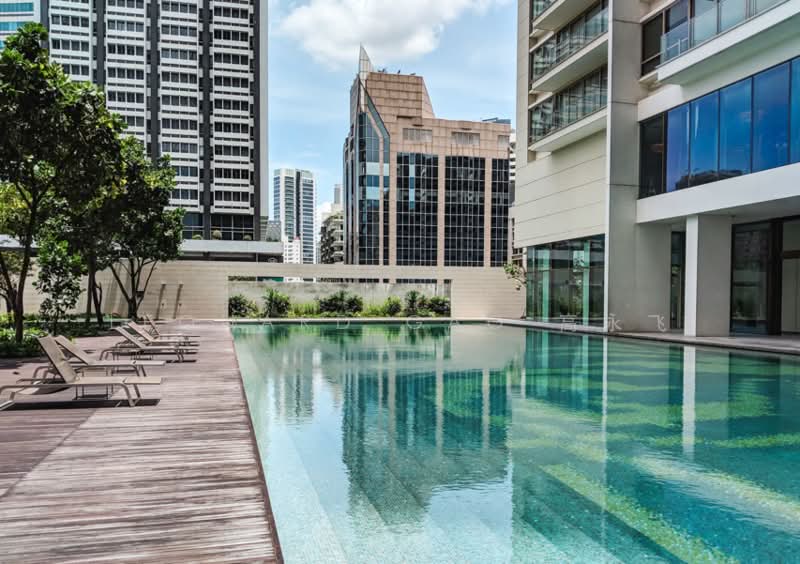
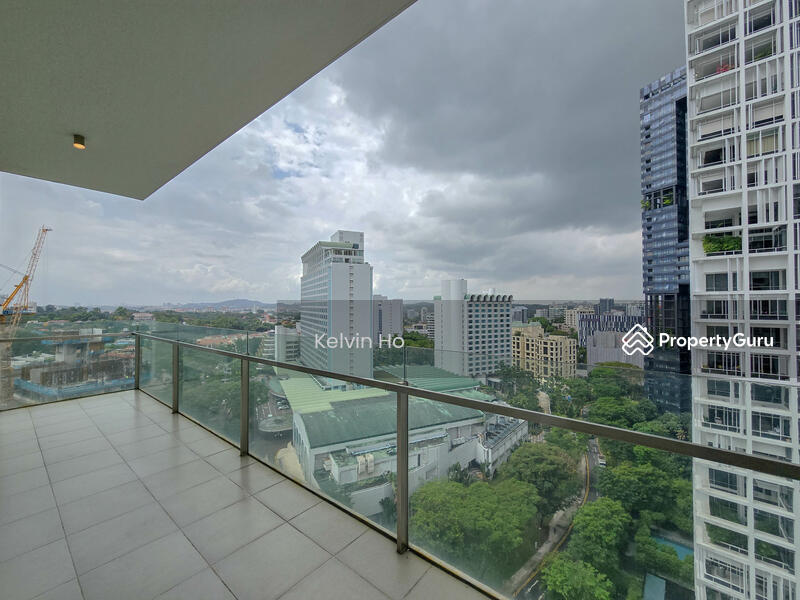
20 properties in Orchard MRT
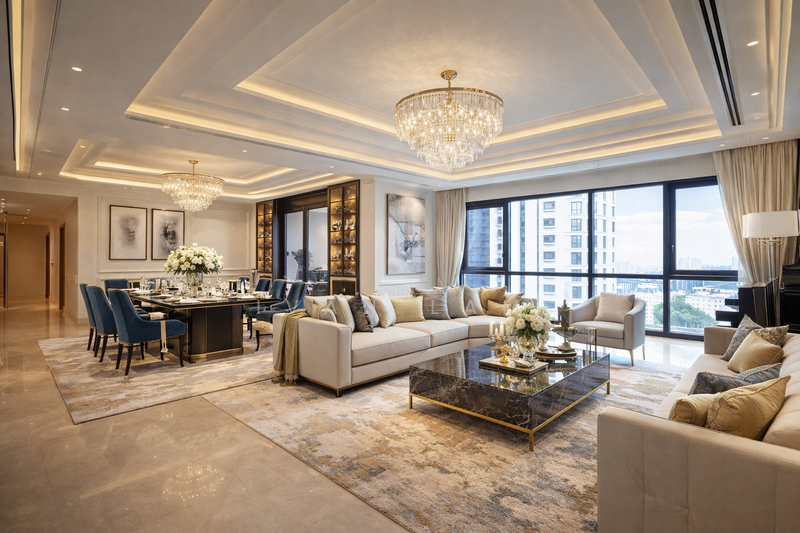
S$ 13,480,000
11 Ardmore Park · Condo · 12 min (980 m) from NS22 Orchard MRT Station
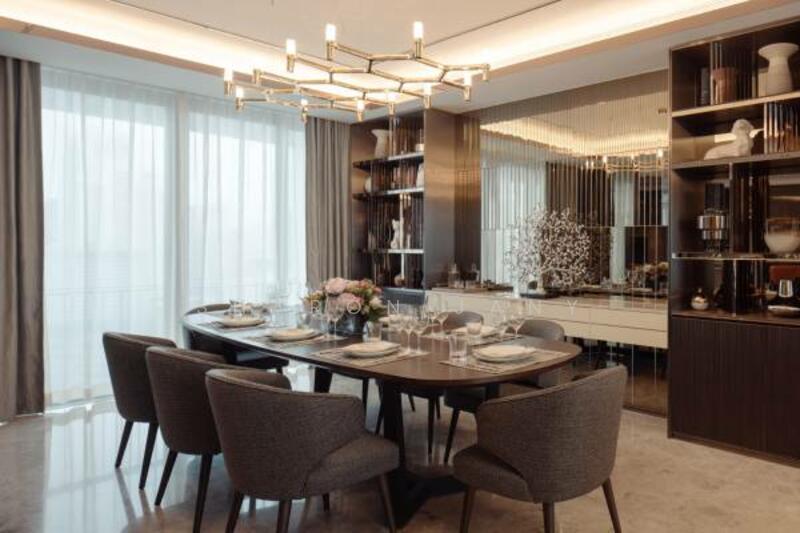
S$ 7,350,000
2 Ardmore Park · Condo · 13 min (1.09 km) from NS22 Orchard MRT Station
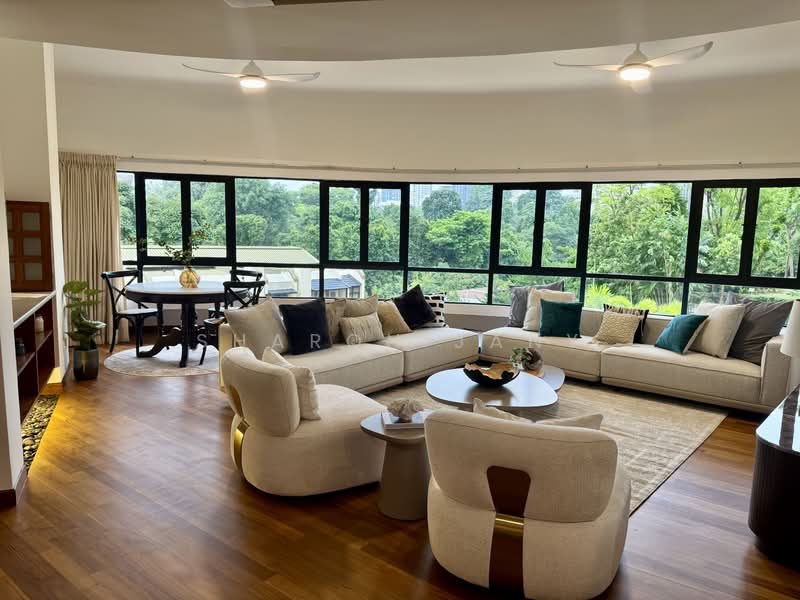
S$ 8,490,000
238 Orchard Boulevard · Condo · 2 min (190 m) from TE14 Orchard MRT Station
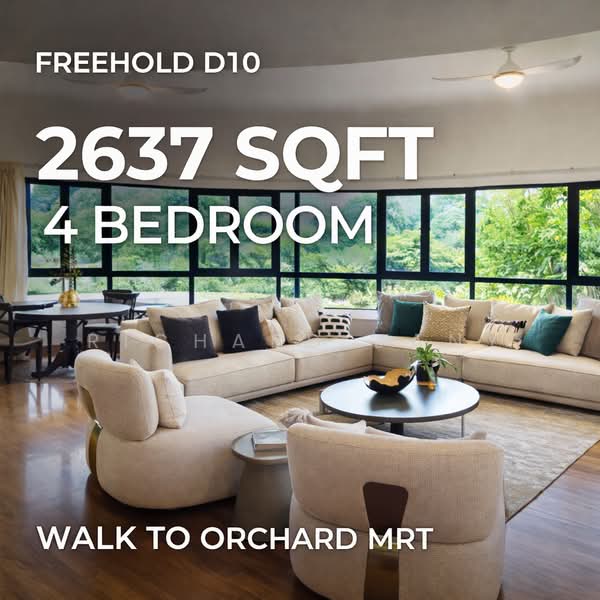
S$ 6,320,520
6 Draycott Park · Condo · 12 min (970 m) from NS22 Orchard MRT Station
S$ 6,150,000
50 Draycott Park · Condo · 13 min (1.09 km) from NS22 Orchard MRT Station
S$ 6,150,000
50 Draycott Park · Condo · 13 min (1.09 km) from NS22 Orchard MRT Station
S$ 1,890,000
6 Scotts Road · Condo · 3 min (230 m) from NS22 Orchard MRT Station
S$ 7,400,000
1 Ardmore Park · Condo · 13 min (1.09 km) from NS22 Orchard MRT Station
The Orchard MRT precinct remains one of Singapore's most resilient segments despite broader cooling measures, with strong demand from both owner-occupiers and investors seeking trophy assets in a prime location. Current market dynamics show that properties within 500–700 metres of Orchard MRT station command premium valuations, with units like 3 Cuscaden Walk at S$2.95 million and Orchard View at S$7.28 million reflecting sustained buyer appetite. However, ABSD costs and higher stamp duties mean buyers should carefully assess long-term appreciation prospects, as the Orchard corridor's already elevated prices limit upside relative to emerging growth clusters elsewhere in the island.
Prime residential segments near Orchard MRT have outperformed the overall market, with price growth driven by limited new supply, strong international investor interest, and the precinct's unmatched retail, dining, and lifestyle amenities. The sample listings show a price range of S$2.95 million to S$12 million, indicating a bifurcated market where ultra-prime units (S$6–12 million) have appreciated faster than mid-range condominiums, reflecting global wealth migration into established luxury precincts. In contrast, the broader Singapore market has experienced softer growth in the S$2–4 million segment, suggesting that Orchard's prestige and low vacancy rates have provided a comparative hedge against cooling measures.
Owner-occupiers in this precinct are typically high-net-worth individuals, expatriate families, and seasoned investors seeking convenience, heritage-listed architecture, and proximity to Singapore's premier shopping and business district. Tenants gravitating towards the area include corporate executives requiring short-term luxury accommodation, ultra-high-net-worth individuals maintaining a Singapore pied-à-terre, and families seeking excellent international schools within walking distance, including Chatsworth International School and the Anglo-Chinese School. The limited turnover and high barrier to entry mean the buyer pool remains concentrated among Singapore's top 5–10% income earners, reducing speculative activity and supporting price stability.
Most lenders offer up to 75% loan-to-value (LTV) for owner-occupiers on properties in the S$3–8 million range, though borrowing costs have risen significantly since mid-2022, with prevailing mortgage rates between 4.0–4.3% for 30-year tenures. A buyer purchasing a S$6 million unit (median for Draycott Eight and similar trophy developments) would require S$1.5 million cash equity at 75% LTV, plus approximately S$300,000–350,000 in stamp duty and legal fees, representing a total upfront capital requirement of approximately S$1.8–2.1 million. Properties in the ultra-luxury tier (S$10+ million) face even stricter LTV caps of 60–70%, effectively limiting affordability to cash-rich buyers or those with substantial existing equity.
Foreign investors purchasing near Orchard MRT face ABSD of 20% on the purchase price, meaning a S$6 million purchase incurs S$1.2 million in ABSD alone, compared to 5% (S$300,000) for Singapore citizens, creating a significant structural disadvantage unless projected rental yields or capital appreciation exceed 3–4% annually. Investors holding for less than three years trigger SSD on the sale price, with rates declining from 16% (within 1 year) to 8% (1–3 years), effectively penalising short-term trading and reinforcing the notion that Orchard properties are held for wealth preservation rather than quick flips. For citizen-investors, the ABSD impact is negligible, but they should still factor in the 4% buyer's stamp duty and 1% SSD (payable by sellers only if sold within three years) when modelling net-of-tax returns on a S$6–8 million purchase.
Properties near Orchard MRT typically achieve gross rental yields of 2.0–2.8% per annum, substantially lower than suburban condominiums (3.5–5%), reflecting the segment's orientation towards owner-occupation and wealth preservation rather than cashflow generation. Vacancy risk is minimal for premium units attracting expatriate executives or corporates seeking serviced apartments; however, mass-market units in the lower S$3–4 million range may experience seasonal voids of 1–2 months between tenancies as tenant demand is more cyclical. Savvy investors should target units with strong amenities (concierge, gymnasium, pool, children's facilities) and proximity to expatriate employment hubs (financial district, embassies, multinational offices) to secure year-round tenancy at premium rates of S$8,000–15,000 monthly for a two-bedroom unit.
Within the Orchard MRT catchment, every 100 metres of additional distance from Orchard station (NS22) translates to approximately 5–8% price depreciation, with units at 530 metres (3 Cuscaden Walk, S$2.95 million) commanding substantially higher valuations than those at 970–1,090 metres (Draycott Eight cluster, S$6–6.32 million, and The Draycott, S$6.15 million). The seemingly counterintuitive pricing reflects the desirability of Draycott Park's exclusive residences and lower-density format rather than pure MRT proximity, suggesting that within this ultra-prime segment, architectural cachet and heritage status outweigh station convenience. However, for mid-market properties (S$3–5 million range), distance from Orchard MRT becomes a critical value driver, with buyers preferring the 6–7 minute walk over the 12–13 minute walk to avoid morning commute friction during peak hours.
The Orchard MRT precinct faces severe supply constraints due to land scarcity and heritage conservation measures, with no major residential launches anticipated within the immediate 500-metre radius through 2025–2026. Older estate refreshes and en-bloc redevelopments remain the primary channel for new supply, though such transactions are infrequent given the high concentration of owner-occupiers resistant to en-bloc sales at prices below S$2–3 million per unit. This structural undersupply supports price resilience and limits speculative activity, though prolonged supply drought may eventually trigger demand rotation towards emerging precincts with better value-for-money propositions (e.g., Goodwood, Tanglin), potentially capping price upside in the Orchard corridor relative to other segments.
All sample listings appear to be freehold or 99-year leasehold condominiums, with most developments in the Draycott Park cluster and Cuscaden Walk offering 99-year tenure from their original completion dates (typically 1990s–2000s), meaning residual leases of 65–75 years at current date. Lenders typically impose a minimum residual lease of 60 years at loan maturity (30 years forward), making units with leases under 75 years less attractive to mortgage-dependent buyers and potentially harder to sell within 10–15 years. Freehold properties command a 10–15% valuation premium over 99-year leasehold equivalents in the Orchard segment; therefore, buyers should verify tenure explicitly and factor in potential lease extension costs (approximately S$300,000–600,000 per unit for Orchard-grade properties) when modelling long-term holding costs.
Verify the property's position within the Tanglin or Orchard conservation zone, as heritage-listed buildings or conservation areas impose restrictions on facade modifications, extensions, or major renovations, potentially limiting your ability to customise the unit and affecting future resale appeal. Inspect the building's major repair reserve fund status, particularly for 1990s–2000s vintage developments like Draycott Eight and The Draycott, as developers from that era sometimes underfunded sinking funds, creating risk of unexpected special levies of S$50,000–150,000 per unit for structural work. Cross-reference the property's strata title, tenure, and encumbrances against the Land Titles Registry (LTR) and the Urban Redevelopment Authority's (URA) Master Plan to ensure no pending compulsory acquisition, rezoning, or infrastructure projects could impair future valuations, and validate the claimed MRT walking distance against Google Maps, as marketing materials occasionally overstate proximity.
Free Property Valuation
Enter your postal code and get a free instant valuation report straight to your inbox.