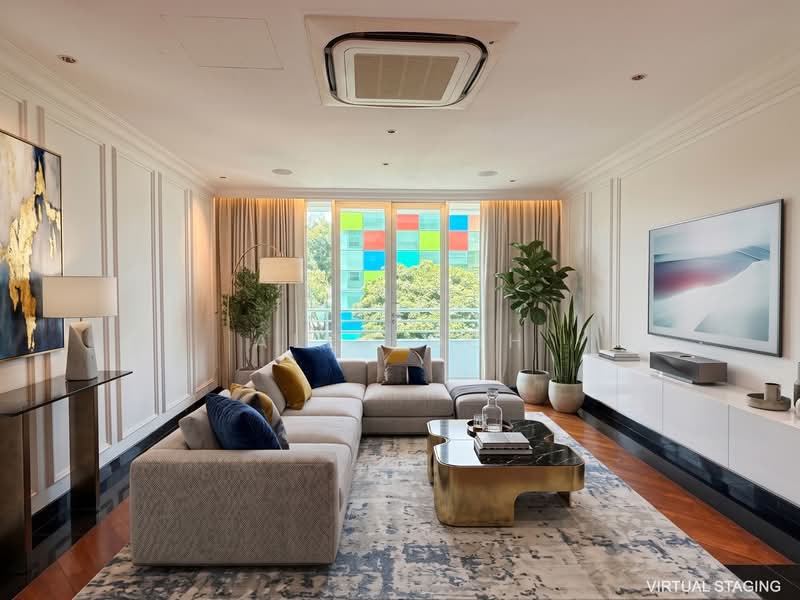
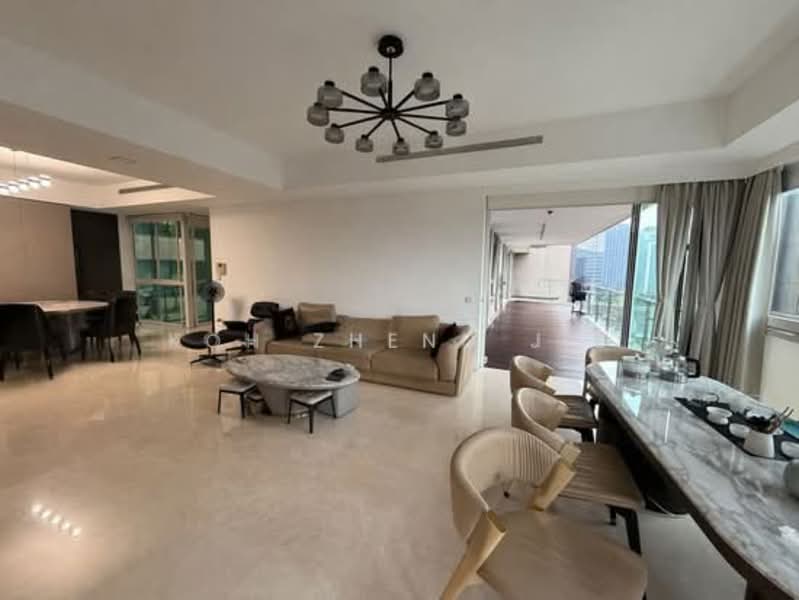
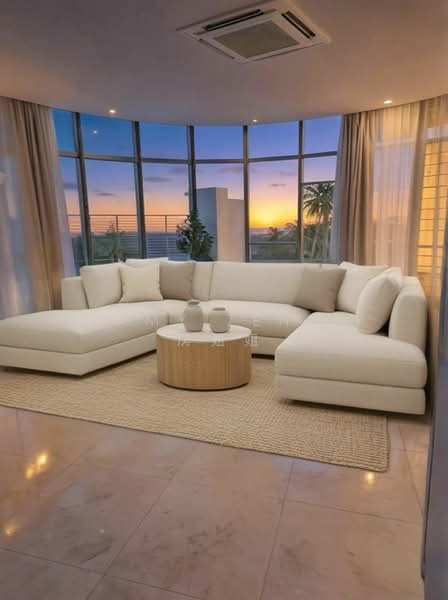
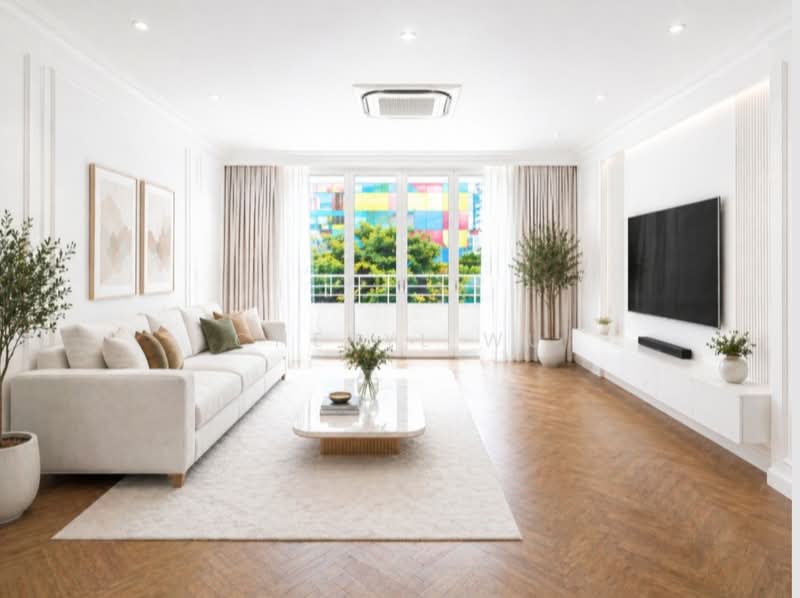
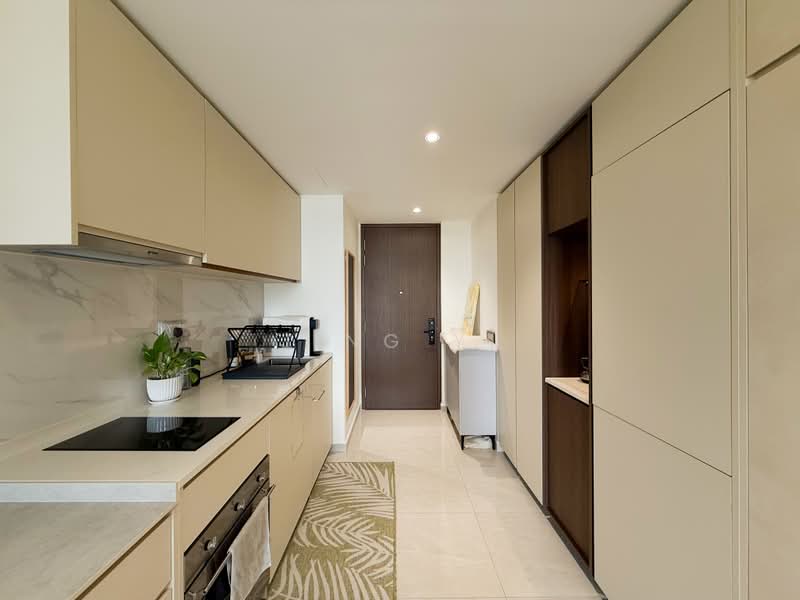
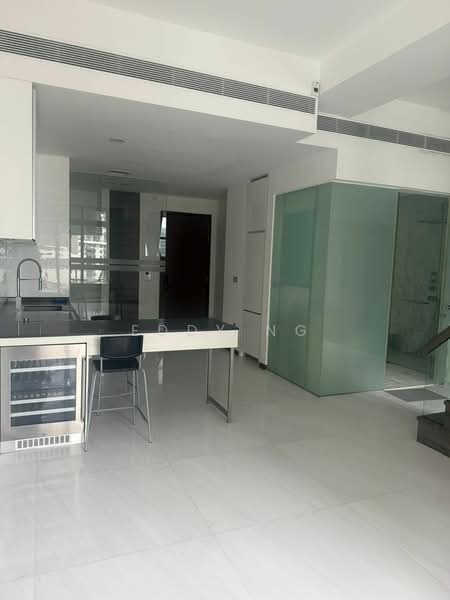
23 properties in Newton MRT
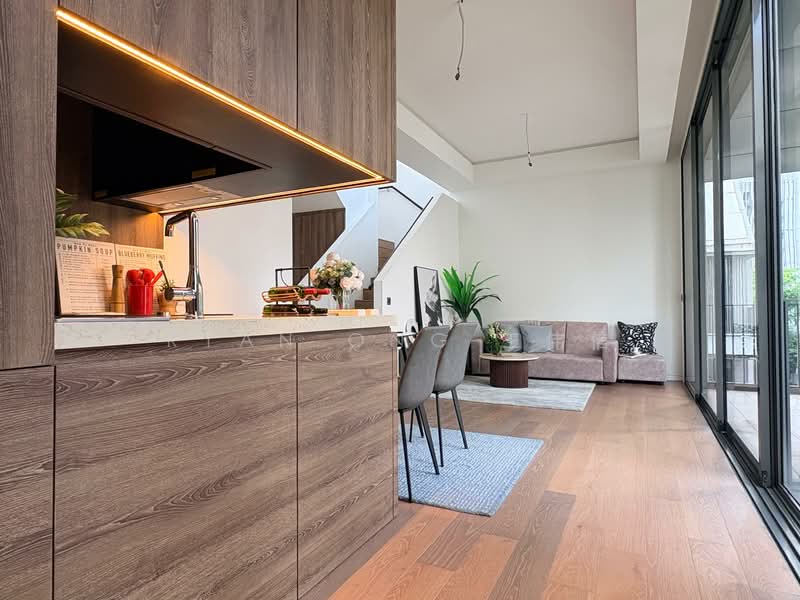
S$ 3,199,000
10 Evelyn Road · Condo · 7 min (590 m) from NS21 Newton MRT Station
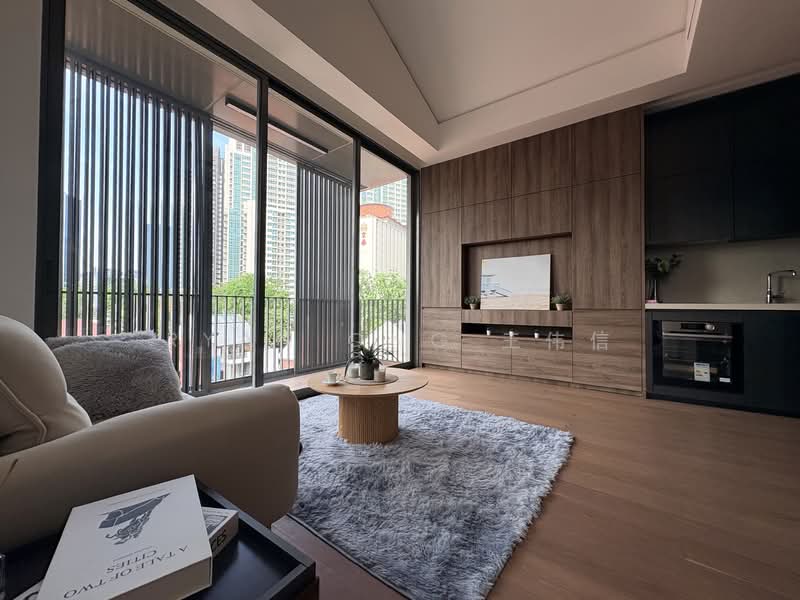
S$ 1,299,000
10 Evelyn Road · Condo · 7 min (590 m) from NS21 Newton MRT Station
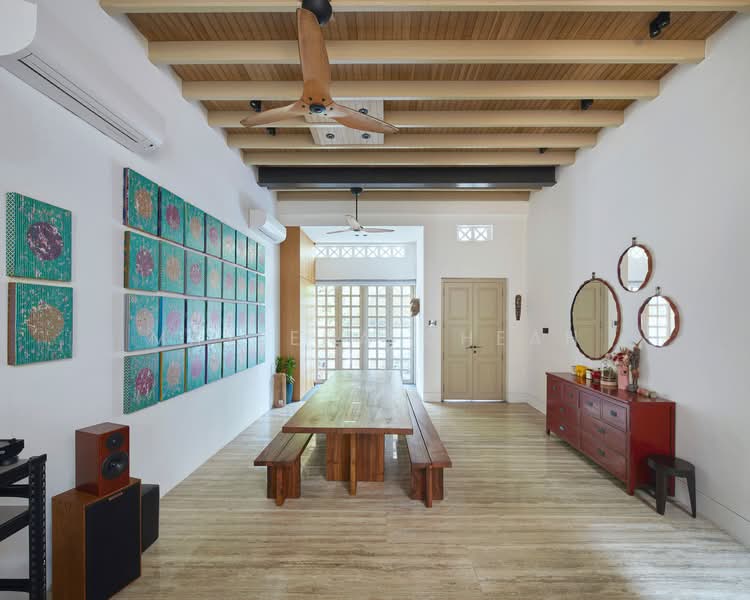
S$ 11,800,000
Cairnhill Road · Landed · 9 min (740 m) from NS21 Newton MRT Station
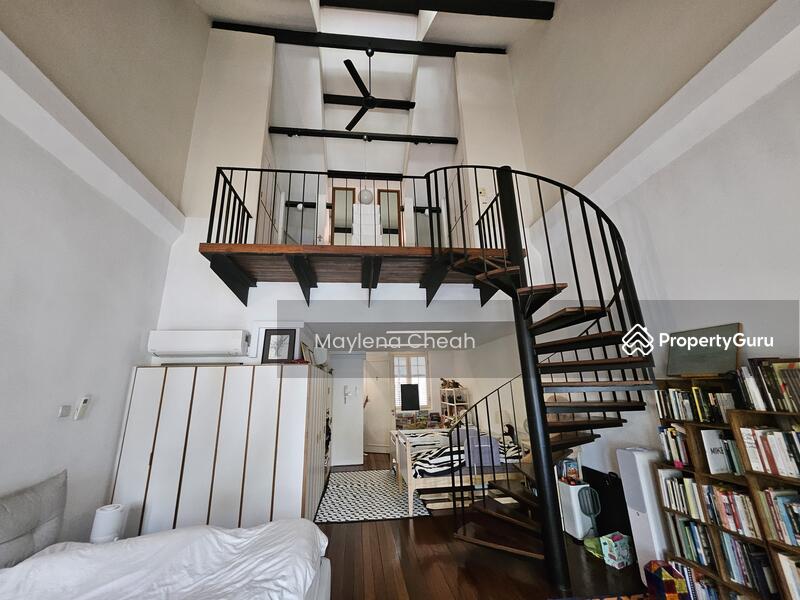
S$ 10,000,000
Cairnhill Orchard Emerald Hill · · 10 min (790 m) from NS21 Newton MRT Station
S$ 1,899,000
2 Sarkies Road · Condo · 2 min (200 m) from NS21 Newton MRT Station
S$ 2,380,000
12 Cairnhill Rise · Condo · 10 min (800 m) from NS21 Newton MRT Station
S$ 8,000,000
45 Scotts Road · Condo · 4 min (310 m) from NS21 Newton MRT Station
S$ 5,500,000
130 Cairnhill Road · Condo · 10 min (830 m) from NS21 Newton MRT Station
S$ 1,899,000
2 Sarkies Road · Condo · 2 min (200 m) from NS21 Newton MRT Station
S$ 1,755,000
8 Makeway Avenue · Condo · 6 min (500 m) from DT11 Newton MRT Station
S$ 1,150,000
38 Scotts Road · Condo · 8 min (630 m) from NS21 Newton MRT Station
Newton remains a strategically positioned location with dual MRT connectivity (NS21 and DT11 lines), making it resilient during market cycles, though prices have moderated from pandemic peaks. The area has demonstrated steady capital appreciation over the past decade, with properties maintaining strong demand from both owner-occupiers and investors seeking established prime locations. However, buyer sentiment in 2024 has become more measured due to elevated interest rates and cooling measures; strategic timing depends on your investment horizon and ability to weather short-term market fluctuations, particularly given Newton's positioning in the core Central Region.
Newton has outperformed the overall HDB and mass-market private residential segments but underperformed ultra-prime Central Region peers like Orchard and Tanglin, reflecting a consolidation phase in the premium segment. Price appreciation in Newton-adjacent condominiums has ranged between 8–15% over the past three years, significantly lower than the 20%+ gains seen in emerging suburban clusters, indicating market maturity in this established location. This relative underperformance makes Newton increasingly attractive to value-conscious buyers seeking Central Region proximity without the price inflation of Orchard, though it suggests future appreciation will be moderate rather than explosive.
Newton attracts two distinct buyer cohorts: affluent owner-occupiers (aged 40–60) seeking established neighbourhoods with excellent schools, healthcare, and dining within walking distance, and seasoned property investors targeting stable rental yields from expatriate professionals working in nearby business districts. The catchment spans an exceptionally wide price range—from S$1.3 million entry-level units at 10 Evelyn to S$32.8 million ultra-luxury offerings at The Ritz-Carlton Residences—creating micro-markets within the single location. Buyers prioritising lifestyle, accessibility, and heritage charm typically favour properties on Bukit Timah Road and surrounding conservation areas, whilst investors favour newer developments offering modern amenities and higher capitalisation rates.
With median asking prices clustering around S$4–6 million for core Newton condominiums, buyers typically require S$1.2–1.8 million in cash downpayment (25–30% of purchase price) plus significant liquid reserves for closing costs and furnishing, placing this category solidly within the affluent buyer segment requiring institutional financing. Most major banks offer up to 70–75% loan-to-value (LTV) ratios for non-landed residential properties in prime locations, with interest rates currently hovering around 4.0–4.3% p.a., resulting in monthly mortgage commitments of S$18,000–25,000 on a 25-year tenure for mid-range properties. Buyers should stress-test affordability at potential 5.0% interest rates to ensure serviceability, as Newton's target demographic typically has lower debt-to-income ratios and can absorb rate increases without financial strain.
Additional Buyer's Stamp Duty (ABSD) for investors purchasing Newton properties is 15% of purchase price (since 16 December 2021), substantially higher than the 5% applicable to owner-occupiers, making investment entry costs a critical consideration in yield calculations. Stamp duty on purchase for a S$5 million property totals approximately S$46,650 (progressive scale), whilst seller's stamp duty is similarly charged, meaning total transactional costs for investors exceed S$500,000 on mid-range acquisitions. These substantial upfront costs necessitate yields of at least 3.5–4.0% nett after expenses to justify the investment from an ROI perspective, a threshold that some Newton properties struggle to meet given strong capital values but moderate rental demand relative to suburban alternatives.
Newton properties typically generate gross rental yields of 2.5–3.5% p.a., with premium locations like Bukit Timah Road commanding S$12,000–16,000 monthly rent for 3-bedroom units, whilst further properties achieve S$8,000–12,000, reflecting the area's consistent demand from expatriate executives and established families. Vacancy risk is relatively low (typically 2–4 weeks per annum) compared to emerging estates, as Newton's reputation, accessibility, and proximity to established institutions attract reliable, long-tenure tenants; however, this stability comes at the cost of modest capital appreciation compared to younger developments. Investors must reconcile the security of stable, predictable rental income with limited upside potential, making Newton better suited to investors seeking income-oriented portfolios rather than aggressive capital growth strategies.
Properties within a 3–4 minute walk (240–330 metres) to Newton MRT station command a measurable premium of 8–12% over those at the 6–7 minute boundary, reflecting the exponential value degradation of walking time beyond the 5-minute convenience threshold established by transport planners. Goodwood Residence and Gilstead TWO, positioned at the premium proximity tier, trade at significantly higher per-square-metre rates than Miro and 10 Evelyn despite comparable age and amenity profiles, demonstrating that MRT accessibility remains a primary value driver even in established Central Region locations. This proximity premium has compressed slightly during downturns but has proven remarkably sticky during recoveries, suggesting it represents a fundamental value component rather than speculative excess.
The Newton catchment is fundamentally supply-constrained due to substantial conservation land (Historic Newton Conservation Area encompasses significant acreage), mature landed housing precincts, and limited redevelopment sites, meaning new large-scale developments are unlikely compared to suburban growth corridors. The scarcity of available land—combined with government focus on densifying areas with less heritage value—provides structural price support, particularly for newer developments like Kopar At Newton and The Ritz-Carlton Residences that can command premium positioning. This limited pipeline contrasts sharply with suburban new launches, suggesting Newton will experience modest organic appreciation driven by limited supply rather than speculative demand, making it a defensive rather than opportunistic investment play.
Most Newton properties are held on 99-year leases with significant remaining tenure (typically 70–95 years), a duration that poses no practical concern for owner-occupiers but represents meaningful risk for investors expecting to hold and refinance over multiple decades, particularly given Singapore's policy preference for shorter lease increments at renewal. Properties with leases below 80 years begin experiencing valuation drag and reduced marketability, whilst those below 70 years face material financing constraints and should be avoided unless offered at substantial discounts reflecting tenure discount factors of 15–20%. Owner-occupiers should prioritise leases above 85 years if they plan to hold beyond 30 years, whilst investors should strictly apply tenure-based valuation adjustments and model refinancing challenges at the 10–15 year mark when banking covenants may require lease extensions.
Newton's positioning within conservation areas means buyers must verify building classification (Grades I–III heritage status) and any restrictions on external renovation or future modifications, which could substantially limit flexibility and affect resale marketability compared to unrestricted properties elsewhere. The concentration of older (20–30 year old) condominiums in Newton necessitates thorough review of reserve fund adequacy, recent major works (common areas, façade, waterproofing), and management track records, as ageing building systems can escalate maintenance costs and impact property values if defects emerge post-purchase. Additionally, buyers should audit surrounding commercial zoning boundaries—particularly proximity to Tanglin Shopping Centre and medical clusters—to understand how future land use changes might affect amenity and noise profiles, particularly for units at catchment peripheries where residential-commercial adjacency is less clear.
Free Property Valuation
Enter your postal code and get a free instant valuation report straight to your inbox.