7 properties in Marsiling MRT
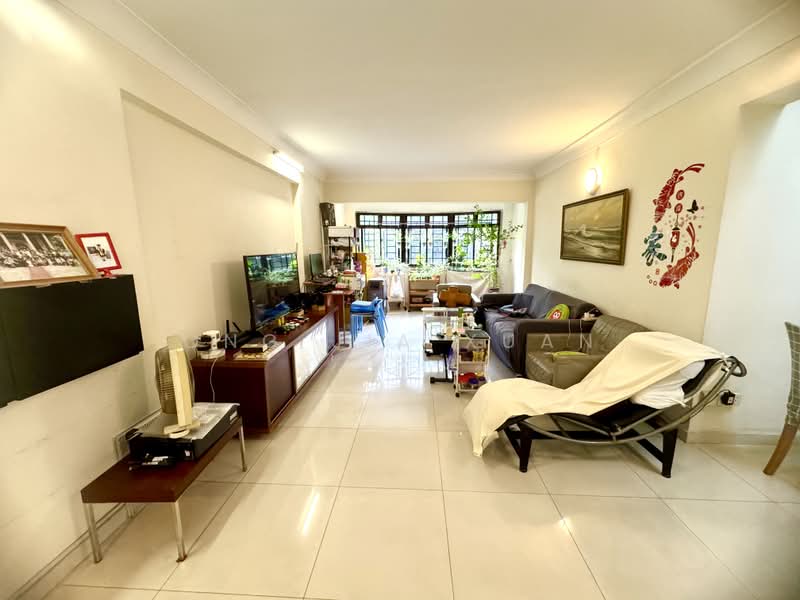
S$ 558,000
11 Marsiling Drive · HDB · 17 min (1.38 km) from NS8 Marsiling MRT Station
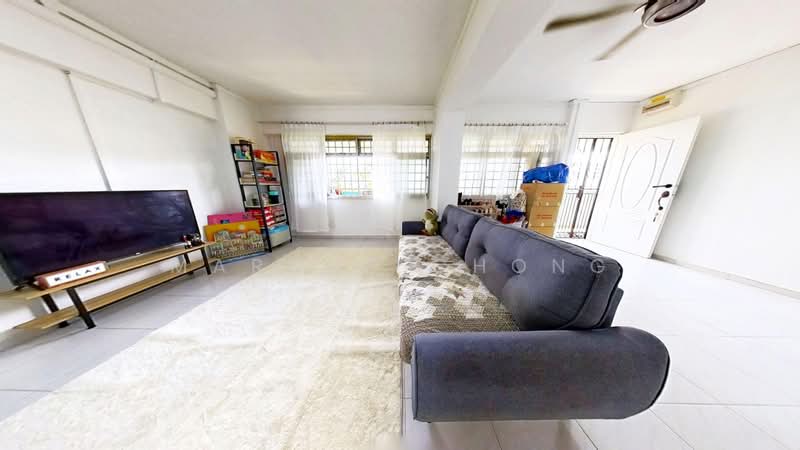
S$ 580,000
418 Woodlands Street 41 · HDB · 8 min (700 m) from NS8 Marsiling MRT Station
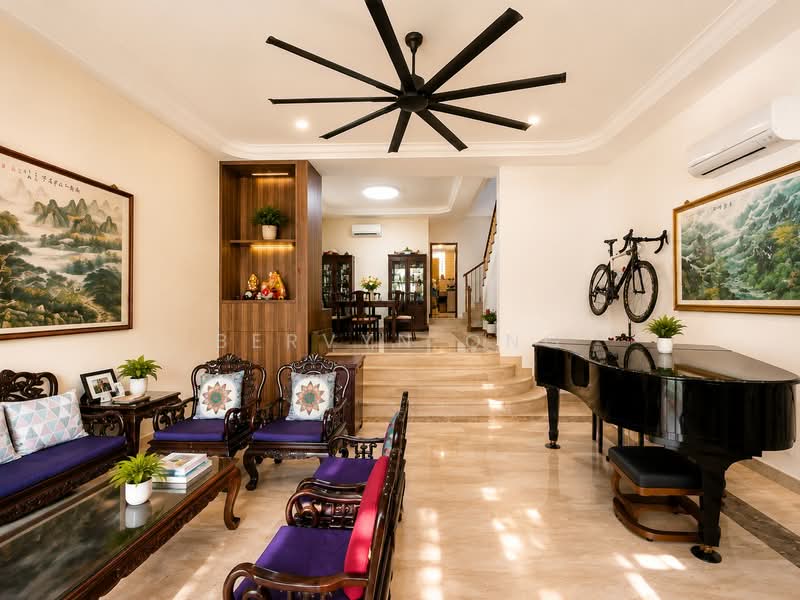
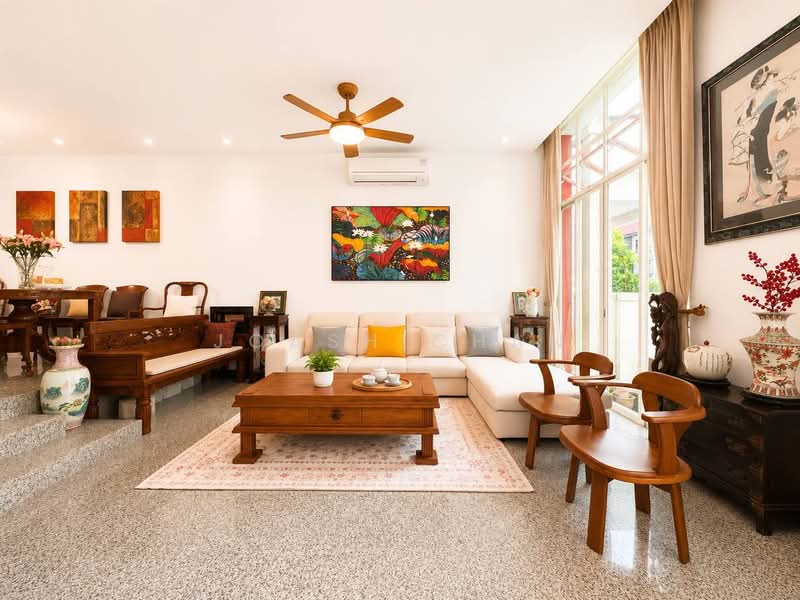
S$ 2,700,000
Pinewood Grove · Landed · 14 min (1.17 km) from NS8 Marsiling MRT Station
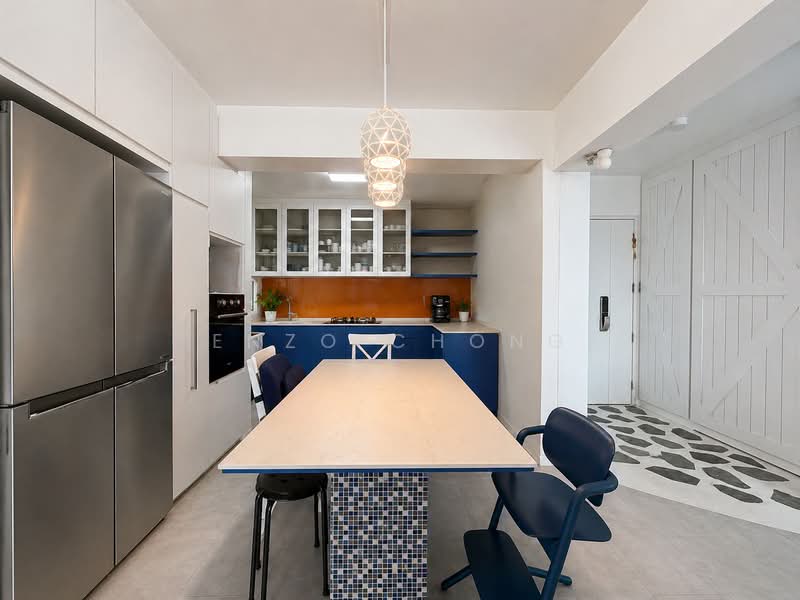
S$ 699,000
184A Woodlands Street 13 · HDB · 9 min (760 m) from NS8 Marsiling MRT Station
S$ 3,000,000
Woodlands Ave 1 / Ashwood Grove / Woodgrove Walk · Landed · 12 min (980 m) from NS8 Marsiling MRT Station
S$ 2,899,999
Woodgrove Ave / Pinewood Grove · Landed · 15 min (1.23 km) from NS8 Marsiling MRT Station
S$ 505,000
344 Woodlands Street 32 · HDB · 10 min (860 m) from NS8 Marsiling MRT Station
The Marsiling area presents a balanced opportunity for HDB buyers, particularly as prices remain relatively accessible compared to central zones, with units in the vicinity ranging from S$505,000 to S$699,000. Recent government cooling measures have stabilised the HDB market, reducing speculative buying and creating better conditions for owner-occupiers seeking long-term value rather than quick returns. The North-South Line's established maturity around Marsiling (NS8) means fewer concerns about early-stage infrastructure risk, making this a pragmatic choice for families prioritising stability over capital appreciation hotspots.
HDB flats near Marsiling have appreciated more moderately than central region properties, reflecting the typical pattern where mature estates in the north experience slower but more stable growth than city-fringe areas. Terraced houses in adjacent Woodlands and Pinewood areas have seen firmer demand due to their scarcity and appeal to larger families, with listings in this category commanding prices between S$2.7 million and S$3 million, significantly outperforming HDB sentiment. This divergence suggests investors seeking rental yield should favour HDB stock, whilst those with larger budgets may see terraced properties as better positioned against depreciation given land scarcity in the north.
HDB flats near Marsiling appeal primarily to young families and first-time buyers seeking affordability without sacrificing MRT connectivity, particularly those employed in the northern corridor or willing to tolerate slightly longer CBD commutes. Terraced house buyers in the area tend to be established families with school-age children, attracted by proximity to top schools like Singapore American School and the quieter, spacious living environment characteristic of Woodlands. Rental tenants for HDB units typically include expat families and younger professionals seeking value accommodation within reasonable travel distance to business parks in Woodlands, Sembawang, and the Causeway industrial zones.
HDB loans at these price points typically require down payments of 5% to 10% (S$27,500–S$70,000) with the remainder financed over 25–30 years, resulting in monthly mortgage instalments of approximately S$1,800–S$2,300 at current HDB lending rates around 2.6%–3%. Buyers must satisfy HDB's income ceiling (currently S$14,000 monthly for a flat in this bracket) and debt servicing ratio limits, making this price range accessible to middle-income households without requiring significant co-investor support. For eligible buyers, the effective affordability is strengthened by housing grants of up to S$80,000 (depending on income), making Marsiling properties particularly attractive compared to private resale options at similar price points.
Terraced house investors purchasing in the Marsiling–Woodlands area face ABSD at 15% on the purchase price (applicable to all residential properties other than first homes), significantly increasing the cost of entry for a S$2.8–3 million property by S$420,000–S$450,000. Stamp duty on the instrument itself adds another 1–4% depending on purchase price, meaning total acquisition costs for an investor can exceed 20% of the purchase price when legal and survey fees are included. This substantial financial barrier means terraced house investments near Marsiling are viable primarily for sophisticated investors with strong equity positions or those planning extended hold periods (10+ years) to offset ABSD over long holding horizons and justify the cumulative cost burden.
HDB flats in the Marsiling area typically achieve gross rental yields of 3–4% annually, with 3-bedroom units renting for approximately S$2,100–S$2,400 monthly, producing yields of around 3.8% on a S$600,000 purchase price. Terraced houses yield lower gross returns of 2.5–3.5% due to higher acquisition costs and land-locked supply, though absolute rental income is higher (S$5,500–S$7,000 monthly), attracting investors prioritising capital preservation over yield maximisation. Vacancy risk in Marsiling is relatively low compared to outer regions due to the established MRT connectivity and surrounding employment nodes, though investors should factor in 4–6 week turnover periods and HDB rental restrictions (minimum 30-year unexpired lease) when calculating net returns.
Marsiling MRT Station (NS8) has been operational since 1988, making it a mature, stable transit node with predictable commuter patterns and established property values that do not experience the speculative volatility of newer MRT corridors. Properties within 10 minutes' walk (approximately 700–800 metres) of the station command a premium of 8–12% over those located 15+ minutes away, as evidenced by the S$580,000 pricing for units on Woodlands Street 41 versus S$558,000 for Marsiling Drive further out. This accessibility premium translates directly into rental demand, with tenants demonstrating strong preference for sub-10 minute walk times, making such units easier to let and reducing vacancy exposure for landlords compared to peripheral locations.
The Marsiling–Woodlands zone has limited new HDB supply scheduled over the next 5–7 years, as most new construction has shifted to growth areas like Tengah and Punggol, suggesting constrained supply will support existing property valuations. Terraced house supply remains virtually static given the heritage character of established developments like Pinewood Grove and Ashwood Grove, where redevelopment potential is severely restricted by conservation status. This structural supply constraint makes the Marsiling corridor defensible against depreciation and particularly attractive for long-term investors, though it also means prospective buyers face limited choice and must act decisively when suitable units appear on the market.
Most HDB flats in Marsiling were built in the 1980s–1990s, meaning leases typically have 55–75 years remaining, which is sufficient for owner-occupiers but may pose financing challenges for older buyers (banks typically decline mortgages where lease drops below 30 years at maturity). Buyers should prioritise units with at least 60 years remaining on the lease to ensure strong resale marketability and uninterrupted financing options for their tenure; flats approaching 50 years may face 20–30% valuation haircuts in the secondary market. The HDB Lease Buyback Scheme offers some mitigation for ageing flats, but this requires government approval and acceptance of below-market compensation, making lease tenure a critical due diligence factor alongside physical condition.
Buyers should investigate the actual walking distance and footpath quality to the MRT station, as some listings claiming proximity may involve longer or less convenient routes; verifying this in person rather than relying on online distance measurements can reveal whether the commute truly justifies the MRT premium. Physical condition is critical for 1980s–1990s HDB stock, as major renovations (new electrical systems, plumbing, windows) can cost S$50,000–S$100,000 and should factor into purchase decision-making; requesting recent inspection reports or engineer surveys is advisable. Prospective buyers and investors should also verify noise exposure from adjacent Woodlands Avenue and check for any planned infrastructure projects (e.g., bus rapid transit, upgrading works) that could disrupt the area or impact property values during the holding period.
Free Property Valuation
Enter your postal code and get a free instant valuation report straight to your inbox.