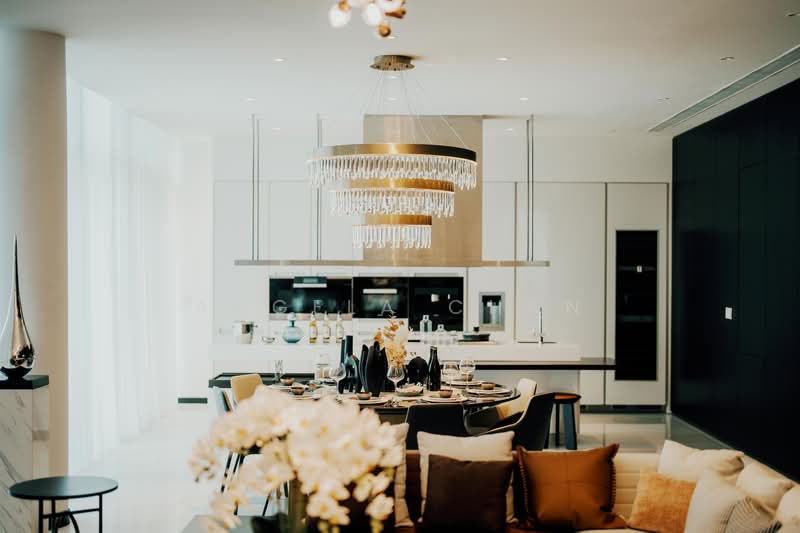
7 properties in Marina Bay MRT
S$ 2,599,000
23 Marina Way · Condo · 2 min (160 m) from CE2 Marina Bay MRT Station
S$ 1,400,000
21 Marina Way · Condo · 2 min (140 m) from CE2 Marina Bay MRT Station
S$ 1,400,000
21 Marina Way · Condo · 2 min (140 m) from CE2 Marina Bay MRT Station
S$ 2,599,000
21 Marina Way · Condo · 2 min (140 m) from CE2 Marina Bay MRT Station
S$ 2,599,000
21 Marina Way · Condo · 2 min (140 m) from CE2 Marina Bay MRT Station
S$ 16,000,000
23 Marina Way · Condo · 2 min (160 m) from CE2 Marina Bay MRT Station
S$ 2,399,000
23 Marina Way · Condo · 2 min (160 m) from CE2 Marina Bay MRT Station
Marina Bay remains one of Singapore's most desirable locations due to its proximity to the Central Business District, Marina Bay Sands, and waterfront amenities, making it resilient even during market corrections. Current listings show a wide price range from S$1.4 million to S$16 million, indicating segmentation across different buyer profiles and unit sizes that provides flexibility depending on market sentiment. Given the consistent demand from affluent buyers seeking premium central locations and the limited supply near the MRT station, the area typically maintains strong appreciation potential, though buyers should consider their investment timeline against broader economic headwinds affecting the luxury segment.
Properties near Marina Bay MRT have outperformed many suburban and fringe areas due to the district's role as a global financial and lifestyle hub, with most premium developments commanding price stability even during downturns. The current listing prices ranging from S$1.4 million to S$16 million reflect strong price resilience in the Core Central Region, which typically experiences lower volatility than other segments. However, the luxury segment above S$5 million has seen more modest growth compared to mid-tier properties in the S$1.5–3 million range, reflecting a global trend towards more pragmatic spending amongst ultra-high-net-worth individuals.
Marina Bay MRT properties are ideal for high-net-worth individuals and families seeking walkable access to premium office spaces, fine dining, and cultural attractions without requiring a car, making them particularly attractive to expatriates working in the CBD. Owner-occupiers in the S$1.5–3 million range tend to be young professionals and established families who prioritise connectivity and lifestyle over maximum space, whilst investors targeting the S$2.5–5 million segment often seek stable rental yields from corporate tenants. The ultra-luxury segment above S$10 million typically appeals to investors seeking capital preservation, trophy assets, or buyers with significant liquid wealth seeking prime Singapore addresses with international recognition.
For the majority of listings in the S$1.4–2.6 million range, most banks offer 75–80% loan-to-value financing with typical interest rates around 4.5–5.5%, requiring substantial downpayment of S$280,000–650,000 depending on the chosen loan percentage. First-time upgraders moving from HDB to private property in this price range should budget for approximately 25–30% total cash outlay when accounting for downpayment, stamp duty (3–4%), legal fees, and agent commissions. Properties above S$5 million face stricter lending criteria, with some banks capping LTV at 70–75%, and affluent buyers in this segment typically structure purchases through corporate entities or partnerships to optimise tax and financing efficiency.
First-time property buyers purchasing properties under S$500,000 benefit from stamp duty exemptions, whilst those buying between S$500,000–S$1 million face 2–3% rates; however, most Marina Bay listings exceed these thresholds, incurring 3–4% stamp duty. Investors purchasing a second or subsequent property trigger Additional Buyer's Stamp Duty of 5–15% depending on whether they own one or more existing properties, significantly increasing the total acquisition cost to approximately 8–19% above the purchase price. Foreign investors face an additional 5% buyer's stamp duty surcharge on top of ABSD, making total duties as high as 20–24% for non-residents; it is therefore critical that investors model these costs carefully before committing to purchases in this premium segment.
Properties in the S$1.4–2.6 million range typically achieve gross rental yields of 2.5–3.5% when let to corporate tenants or high-earning professionals, though net yields after maintenance, property tax, and management fees tend to be 1.8–2.5%. Marina Bay's proximity to the CBD, combined with strong tenant demand from multinational corporations and banks, results in relatively low vacancy risk of 2–4% compared to suburban developments, providing stable income for institutional investors. However, the luxury segment above S$5 million experiences lower yields (1.5–2.5% gross) with higher volatility, as these properties rely on a smaller pool of tenants and are often held for capital appreciation rather than rental income.
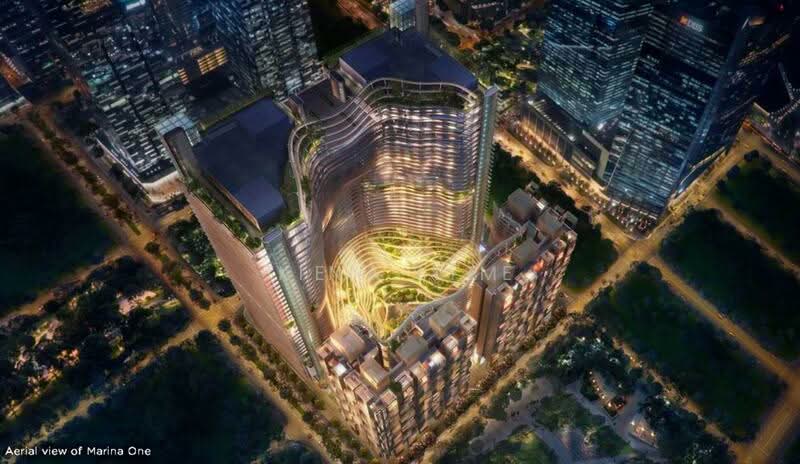
Properties within 160–200 metres of Marina Bay MRT station, as evidenced by the Marina One Residences listings, command significant premiums due to the seamless connection to major employment hubs, shopping, and entertainment without requiring additional transport; this 2-minute walk proximity translates to approximately 5–10% price premium compared to properties 400–500 metres away. The station's position on the Circle Line extension (CE2) provides interchange capability with the North-South, East-West, and Thomson-East Coast lines, creating a transportation network that enhances rental appeal for corporate tenants who value efficient commuting. Properties further than 300 metres from the station experience noticeably lower demand and slower transaction volumes, as affluent buyers and tenants in this location prioritise walkability and convenience as essential quality-of-life factors.
The Marina Bay precinct has relatively limited new residential supply due to land scarcity and stringent conservation policies protecting the waterfront; however, mixed-use developments and office towers continue to be completed, which indirectly supports residential property values by increasing employment and foot traffic. Current planned developments in the broader Central Region focus on intensifying existing precincts like Raffles Place and Shenton Way rather than competing directly with Marina Bay, which helps protect the desirability and scarcity value of existing residential stock. Investors should monitor announcements regarding potential URA masterplan updates or land sales, as unexpected new supply could impact the premium commanded by current Marina Bay properties, though demand typically remains strong regardless of broader supply conditions.
Marina Bay MRT properties are typically held on 99-year leases granted by the state, with most Marina One Residences units having 95–99 years remaining depending on purchase date, which remains acceptable for most banks and buyers since Singapore's equity release and en bloc collective sale precedents provide exits before tenure becomes concerning. Properties with remaining lease periods below 85 years may face financing restrictions from conservative banks and reduced appeal to subsequent buyer pools, though this is not an immediate concern for the current Marina Bay listings. Long-term owners should nonetheless factor in potential lease renewal procedures or en bloc sale possibilities, as the government typically allows lease extensions or en bloc transactions to refresh tenure and unlock trapped value in prime locations as properties age.
Buyers and investors should carefully inspect noise and vibration levels from the MRT station, particularly for units on lower floors or on sides directly facing the station, as frequent train operations can impact amenity and rental appeal despite the convenience factor. It is essential to verify the developer's track record, insurance and sinking fund adequacy (especially for older Marina One Residences towers), and whether there are any outstanding major renovation or structural works that could trigger special levies, as these can significantly erode investment returns. Additionally, prospective buyers should clarify unit layouts carefully, as sub-divided or irregularly shaped units may command lower per-square-metre valuations and face reduced rental demand; conducting independent legal, structural, and tax advice is highly recommended given the substantial capital outlay and complexity of purchasing in this premium segment.
Free Property Valuation
Enter your postal code and get a free instant valuation report straight to your inbox.