3 properties in Maju MRT
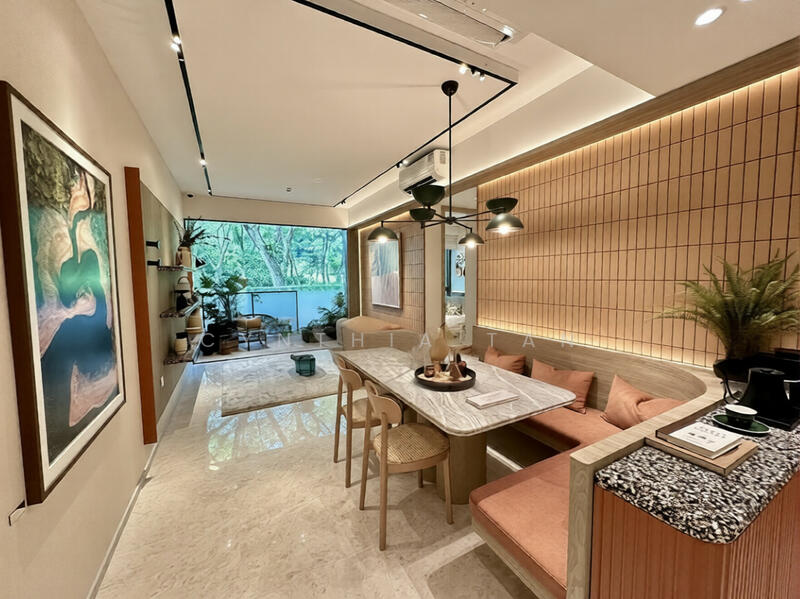
S$ 2,750,000
30 Pine Grove · Condo · 7 min (620 m) from CR16 Maju MRT Station
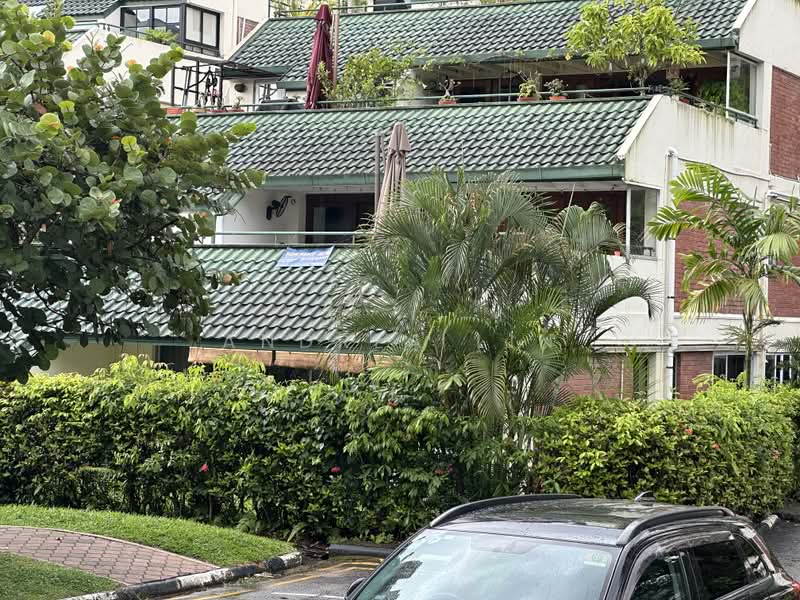
S$ 5,400,000
1 Pandan Valley · Condo · 17 min (1.38 km) from CR16 Maju MRT Station
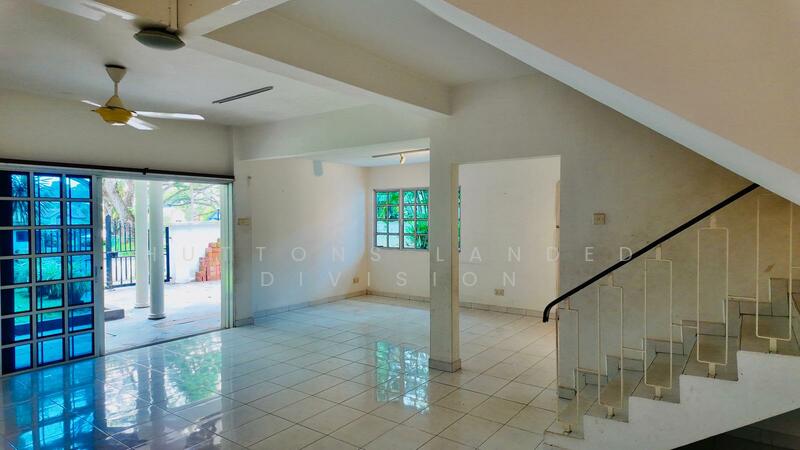
S$ 15,000,000
Ulu Pandan/Dunearn/Clementi · · 12 min (1000 m) from CR16 Maju MRT Station
The Maju MRT station area, located on the Circle Line (CR16), offers relatively stable pricing compared to more saturated central zones, making it a practical choice for buyers seeking value rather than speculative gains. Current market sentiment favours properties within 10 minutes' walk of MRT stations, and Maju's positioning in the mature Pandan/Clementi precinct suggests steady demand from both owner-occupiers and upgraders. However, transaction volumes remain modest in this segment, so buyers should be prepared for a longer negotiation cycle and should conduct thorough due diligence on specific developments rather than relying on broad market timing assumptions.
Properties in the Maju MRT catchment have appreciated more moderately than prime central locations such as Orchard or Marina Bay, reflecting the area's classification as a mature, residential neighbourhood rather than a growth hotspot. Price stability in this zone has been driven largely by underlying housing demand and limited new supply, rather than speculative investment or foreign buyer interest. For context, condominiums in the S$2.7 million to S$5.4 million range near Maju have seen low single-digit annual appreciation, whereas bungalows in proximity to the station have been influenced more by land scarcity and conservation status than by MRT-driven upside.
The ideal buyer for Maju MRT properties is typically a mid-career professional or executive family seeking a balance between accessibility, greenery, and community maturity, rather than aspirational trophy-asset hunters. Owner-occupiers aged 40–60 with school-aged children or those in the upgrading phase from smaller units are the primary demographic, as the area offers good schools, parks (such as the nearby Pandan Reservoir Park), and a quieter ambiance than city-fringe alternatives. This catchment appeals less to young first-time buyers due to the price floor (starting around S$2.75 million for condominiums) and to investors seeking high rental yields, as the neighbourhood's family-oriented character limits the transient rental market.
Condominium purchases in the S$2.75 million to S$5.4 million bracket typically require a minimum down payment of 25% (S$687,500 to S$1.35 million) due to loan-to-value caps, with mortgage terms usually spanning 25–30 years at prevailing rates (currently in the region of 3.5% to 4.5% depending on bank and tenure). Buyers should factor in additional costs including stamp duty (2% on the first S$180,000 of consideration, 3% on the next S$180,000, and 4% thereafter), legal fees, and surveyor fees, which collectively add approximately 3–4% to the purchase price. For bungalows at the S$15 million level, financing options are more restricted and typically involve private banking facilities with shorter tenures; many purchasers in this segment finance only 40–50% of the property value.
Investors purchasing a second or subsequent property near Maju MRT are liable for ABSD, which ranges from 5% (for the first additional property) to 20% (for the third and subsequent properties), in addition to the standard stamp duty on the purchase price. For example, a S$3 million condominium purchased as a second property would incur ABSD of S$150,000, significantly increasing the effective acquisition cost and the required rental yield to achieve target returns. Stamp duty on such a purchase would add approximately S$120,000 (2% + 3% + 4% on tranches), meaning total upfront costs exceed S$270,000—a critical factor when evaluating cashflow and rental yield expectations in a market where gross yields typically range from 2.5% to 3.5%.
Rental yields for condominiums near Maju MRT typically range from 2.5% to 3.5% per annum (gross), reflecting the area's appeal to mid-market tenants seeking mature suburban living with good MRT connectivity; this is broadly in line with Singapore's overall residential rental market but below yields achievable in more transient areas such as Bukit Timah or Orchard. Vacancy risk is moderate to low for well-maintained developments, as the neighbourhood attracts steady demand from expatriate families, upgraders, and young professionals relocating to Singapore; however, periods between tenancies may extend to 4–8 weeks, particularly during off-peak months. Bungalows and landed properties command premium rents but face narrower tenant pools and may experience longer vacancy periods, making them less suitable for purely yield-focused investors.
Properties within a 5–7 minute walk of Maju MRT station (approximately 400–550 metres) command a premium of 5–12% over comparable units 15–20 minutes away, as MRT accessibility is a primary value driver in Singapore's transport-focused market. Pinetree Hill, located 7 minutes from the station, exemplifies this value uplift compared to Pandan Valley (17 minutes away), which is priced at roughly double the price per unit—a differential driven not solely by distance but also by development maturity, facilities, and gross plot ratio; however, the MRT distance component remains material in buyer decision-making. Beyond a 15-minute walk radius, the MRT advantage diminishes rapidly, and property values are driven increasingly by factors such as view, size, landedness, and proximity to secondary schools or parks rather than by transport connectivity.
The Maju MRT catchment is characterised by limited greenfield development, as much of the surrounding area is either conservation land (such as Pandan Reservoir Park), landed residential estates with conservative planning guidelines, or industrial zones; new supply is therefore constrained and likely to remain so in the medium term. This supply inelasticity supports price stability for existing quality developments but also limits buyer choice and may constrain rental market growth if tenant demand outpaces new unit availability. Interested buyers should monitor the Urban Redevelopment Authority's Master Plan updates and land sales, as any future residential rezoning (for example, of industrial land) could materially affect values in the immediate vicinity, though such changes are not anticipated within the next 3–5 years.
The Circle Line, on which Maju MRT operates, is one of Singapore's newest rail corridors (opened in 2025), ensuring that supporting infrastructure and land valuations remain favourable for properties in the catchment; buyers should verify that developments hold leases of at least 99 years with substantial unexpired periods (ideally 85+ years remaining) to avoid value erosion due to lease expiry. For condominiums, a 99-year lease with 90+ years remaining presents minimal refinancing or sale friction over a typical 30-year ownership horizon, whereas leasehold land with less than 80 years remaining may trigger conservative lender behaviour and future resale challenges. Bungalows in the area (such as the elevated example listed) typically sit on larger plots with longer lease tenures or freehold status, which is priced into the premium valuation; buyers should confirm tenure type and any encumbrances (e.g., conservation orders or easements affecting land use).
Buyers should scrutinise developments' building age and planned capital expenditure, as properties in the 15–25 year bracket may face forthcoming structural upgrades or major repairs that elevate maintenance fees; examine the latest audited accounts for sinking funds and any special levies, as undersized reserves are a common issue in maturing estates near Maju. Verify the availability of parking (both for residents and visitors), as this is a persistent pain point in established neighbourhoods with limited expansion space, and query the developer or agent on any planned land sales, rezoning applications, or infrastructure projects (e.g., widening of roads or extension of utility lines) that could affect amenity or property values. Additionally, conduct a site visit during peak evening and weekend hours to assess traffic noise, air quality, and the actual accessibility of the MRT station on foot, as the published walking distance may not account for elevation changes, pedestrian crossing delays, or missing footpath links—critical factors for buyers relying on public transport.
Free Property Valuation
Enter your postal code and get a free instant valuation report straight to your inbox.