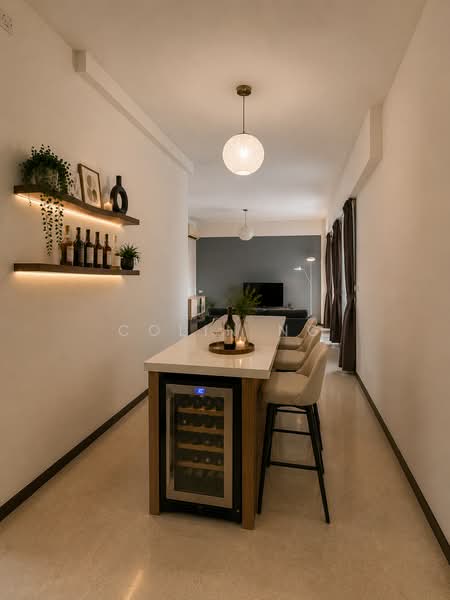
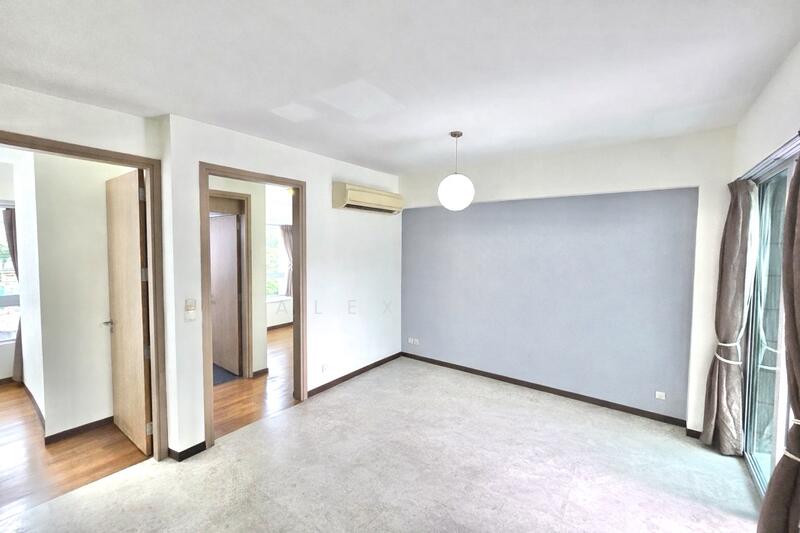
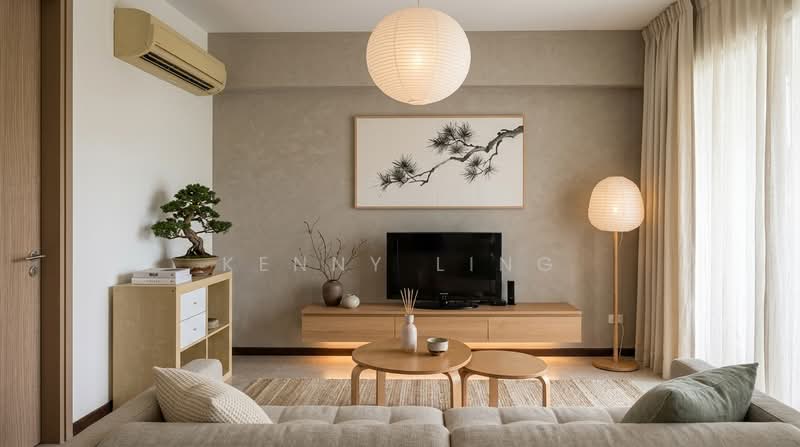
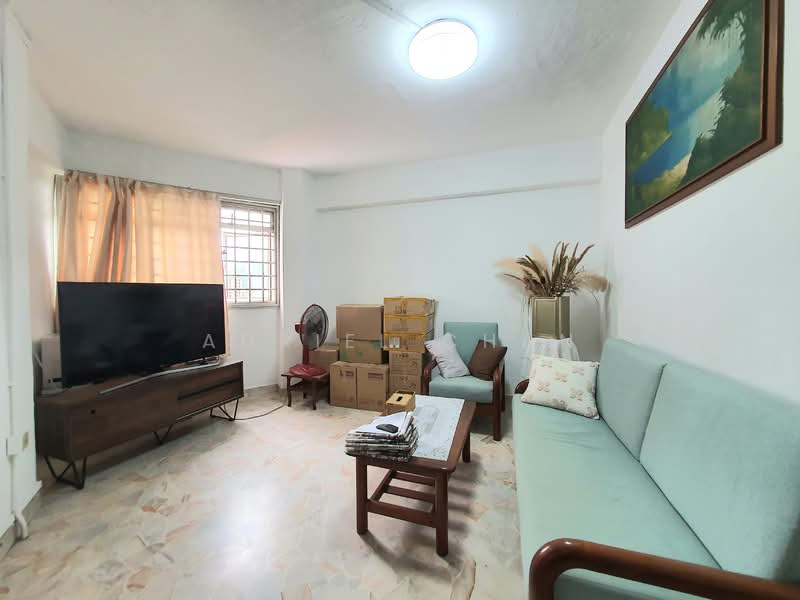
5 properties in Little India MRT
S$ 1,450,000
88 Mackenzie Road · Condo · 3 min (280 m) from NE7 Little India MRT Station
S$ 1,550,000
88 Mackenzie Road · Condo · 3 min (280 m) from NE7 Little India MRT Station
S$ 1,450,000
88 Mackenzie Road · Condo · 3 min (280 m) from NE7 Little India MRT Station
S$ 1,450,000
88 Mackenzie Road · Condo · 3 min (280 m) from NE7 Little India MRT Station
S$ 615,000
662 Buffalo Road · HDB · 1 min (50 m) from NE7 Little India MRT Station
The Little India MRT area remains an attractive entry point for first-time buyers and upgraders, particularly given the availability of both HDB flats around the S$615,000 mark and private apartments in the S$1.4–1.5 million range. The market has shown resilience despite broader economic uncertainties, with the North-East Line (NE7) continuing to benefit from strong commuter demand and cultural significance. However, buyers should assess their long-term holding capacity, as property near transport nodes can be cyclical; current conditions favour those with a 5+ year investment horizon rather than short-term speculators.
Properties within walking distance of Little India MRT have appreciated more moderately than prime central locations like Orchard or Marina Bay, but have outperformed suburban HDB markets due to transport accessibility and commercial vibrancy. The mix of HDB and private residential stock in this precinct has created a bifurcated market: HDB resale values have climbed 8–12% cumulatively, whilst private apartments have seen gains of 6–10%, reflecting more cautious sentiment from investors. This divergence suggests that HDB units offer better relative value and rental predictability, whilst private apartments cater to buyers prioritising lifestyle proximity to retail and F&B attractions.
The primary demographic comprises young professionals aged 28–45, including expatriates and local PMETs who value proximity to the cultural precinct, vibrant nightlife, and direct MRT access to business districts. Tenants in this area tend to be transient professionals with 1–3 year lease horizons, whilst owner-occupiers are often upgraders seeking smaller, efficiently-configured units without premium price tags associated with central business districts. Secondary demand comes from small-scale investor-landlords targeting reasonably stable rental yields without the capital intensity required for prime locations, and retirees downsizing from suburban HDBs who appreciate urban walkability and public transport connectivity.
HDB flats near Little India MRT priced at S$615,000 are accessible to first-time buyers with combined household incomes of S$7,000–8,000 monthly and 5–10% down payments, with most securing 25-year loans at prevailing HDB concessional rates around 2.6%. Private apartments in the S$1.4–1.5 million range require stronger cash positions (typically 25% down payment for non-first-time buyers) and bank approval at prevailing mortgage rates, generally around 3.5–4.0% for a 25-year tenure. Buyers should note that the Loan-to-Value (LTV) caps for HDB (90%) versus private property (75%) create a significant affordability advantage for HDB purchasers, making them particularly attractive for price-sensitive households, whereas private apartment financing is more sensitive to interest rate movements and credit policy tightening.
If you are a Singaporean citizen purchasing a second residential property (whether HDB or private), you will incur Additional Buyer's Stamp Duty (ABSD) at 5% for a private apartment, applying on top of the standard conveyancing stamp duty of 3–4%, resulting in total duty of approximately 8–9% on the purchase price. For an HDB second purchase, ABSD is 5% as well, though HDB eligibility rules are more restrictive; you must meet the Ethnic Integration Policy and cannot own another HDB or private property concurrently. Stamp duty and ABSD calculations on a S$1.45 million private apartment would amount to roughly S$130,000–145,000 in total acquisition costs, significantly impacting yield calculations; investors should factor this into their gross rental yield expectations and consider holding periods of 7+ years to justify the acquisition burden.
Properties within 3 minutes' walk of Little India MRT typically command gross rental yields of 3.5–4.5% for private apartments and 4.0–5.0% for HDB flats, reflecting the steady demand from expatriates, young professionals, and transient tenants seeking MRT-proximate urban living. Vacancy risk is relatively low compared to suburban or fringe zones, with average void periods of 2–4 weeks for competitively-priced units, though the cultural and retail concentration means tenants are selective about exact location within the precinct. However, downside risk exists if economic slowdown triggers expatriate outflow or if competing supply increases (particularly in adjacent Farrer Park and Geylang areas); prudent investors should model for 10–12% annual rental growth and 8–10% vacancy buffer to maintain resilience during market softening.
Properties within 1–3 minutes' walk of Little India MRT station command a proximity premium of approximately 12–18% compared to those 5–10 minutes away, as evidenced by the HDB flat at 662 Buffalo Road (50 metres from station) versus typical precinct average prices. However, not all micro-locations are equal: units directly above or facing the station experience higher foot traffic, noise, and air quality concerns, which can dampen owner-occupier appeal despite strong rental demand from investors. Investors should prioritise units 2–4 minutes away with reasonable quiet distance from the station, balanced retail and dining options, and safe pedestrian access; this 'Goldilocks' positioning typically achieves both strong rental appeal and acceptable living conditions, maximising long-term capital appreciation and tenant retention.
The Little India precinct is largely built-out with limited large-scale residential development potential, as most land is either occupied or zoned for conservation (Tekka Centre, historic shophouses) or commercial use (retail frontages along Serangoon Road). Urban renewal initiatives may introduce modest mid-rise infill projects on underutilised sites (such as older HDB blocks or small commercial plots), but these are unlikely to materially increase supply before 2027–2030. This structural supply constraint is supportive for current property values, meaning existing stock near the MRT should benefit from steady demand relative to limited new competition; however, strategic upzoning or major commercial redevelopment would pose downside risk, so buyers and investors should monitor URA Master Plan updates and Ministry announcements regarding the precinct's future direction.
For HDB flats near Little India MRT, lease tenure is a critical factor: units with remaining leases of 90+ years are generally mortgage-friendly and maintain strong resale value, whilst those below 80 years may face HDB loan rejection or refinancing challenges from subsequent buyers. Private apartments in this precinct typically feature 99-year leases (standard for Singapore), so tenure is less of a constraint; however, buyers should verify the commencement date and model residual value at year 40–50 when lease decay accelerates capital deterioration. Investors purchasing HDB units should avoid stock with leases below 85 years unless targeting owner-occupiers in the 50–60 year age bracket; conversely, private apartments are more tenure-resilient, though careful attention should be paid to maintenance fund contributions and sinking funds as leases age, as these costs rise materially in years 40–60.
Begin by assessing the precise walking distance and pedestrian route to the MRT station (avoid units requiring street-level crossings or long detours), unit orientation (north-facing units minimise afternoon heat in this tropical zone but may sacrifice natural light), and noise insulation quality (many older buildings have poor sound-proofing from street-level activity and wet markets). Investigate the building's maintenance standards, sinking fund position, and management responsiveness by requesting 3–5 years of financial statements; older precincts sometimes harbour underfunded reserves, leading to surprise levy calls that erode investment returns. Finally, verify immediate neighbourhood factors: proximity to hawker centres, wet markets, and noise sources; availability of parking (critical in this congested area); and the tenant mix (high foreign tenant concentration may inflate yield but increase turnover costs); cross-reference recent comparable sales prices within 100–200 metres to ensure the asking price reflects true market value rather than aspirational seller sentiment.
Free Property Valuation
Enter your postal code and get a free instant valuation report straight to your inbox.