4 properties in King Albert Park MRT
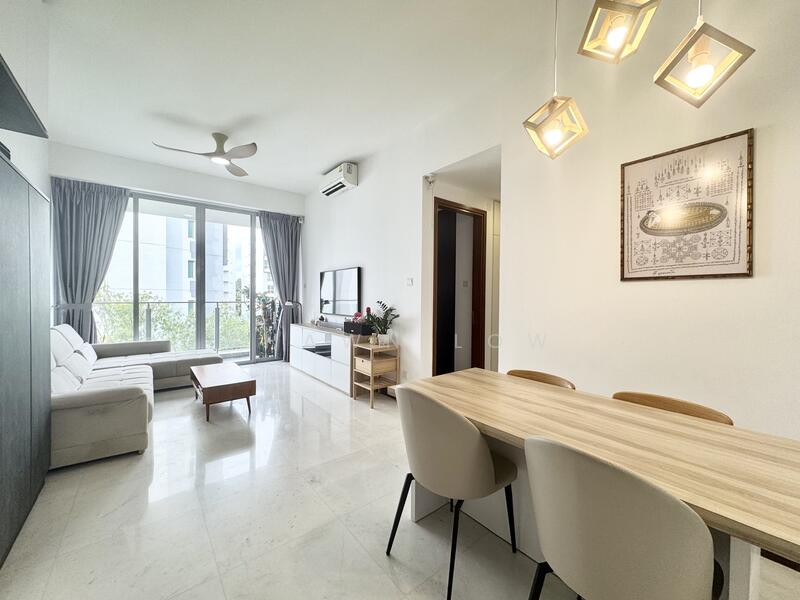
S$ 2,380,000
968 Dunearn Road · Condo · 6 min (510 m) from DT6 King Albert Park MRT Station
S$ 2,380,000
966 Dunearn Road · Condo · 6 min (510 m) from DT6 King Albert Park MRT Station
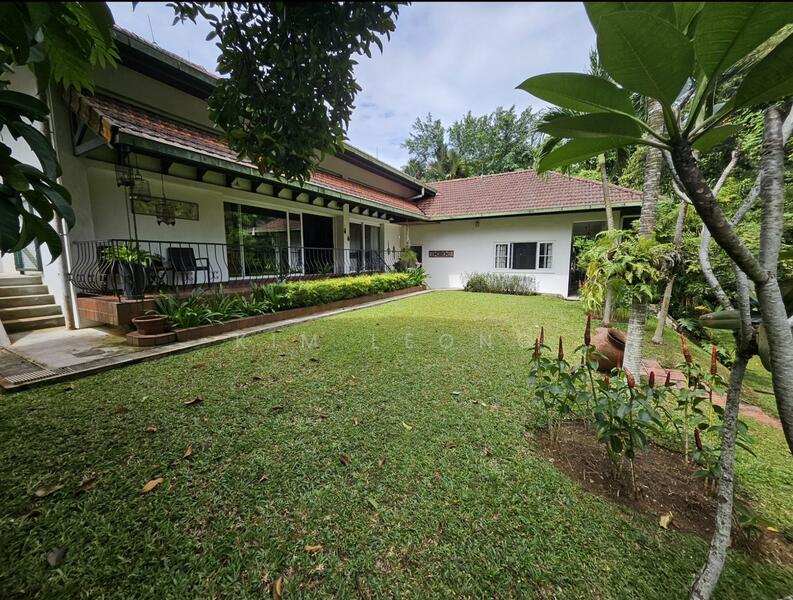
S$ 25,700,000
King Albert Park · Landed · 5 min (380 m) from DT6 King Albert Park MRT Station
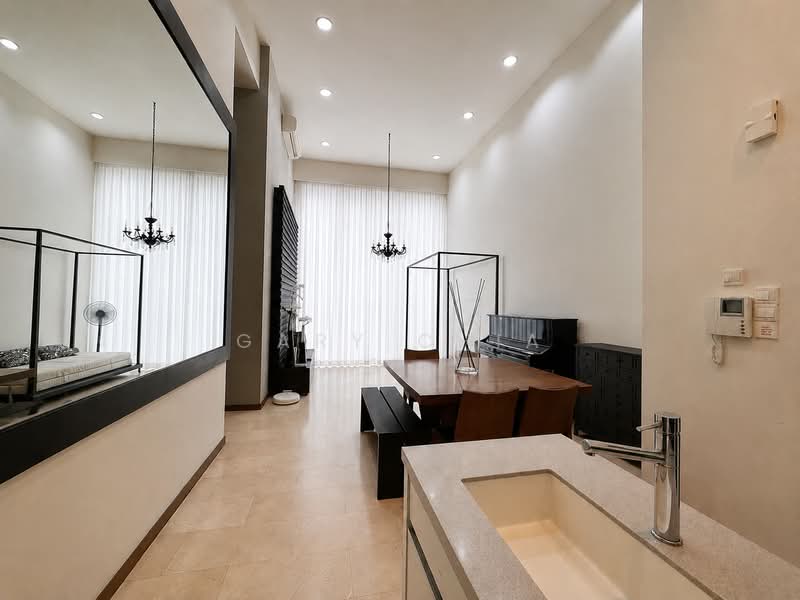
S$ 3,380,000
963 Bukit Timah Road · Condo · 4 min (310 m) from DT6 King Albert Park MRT Station
The King Albert Park MRT station area remains a compelling investment opportunity in 2024, particularly as the Downtown Line has matured and demonstrated stable demand dynamics across its corridor. Properties in this catchment have shown resilience compared to newer MRT lines, with established neighbourhoods like Bukit Timah commanding consistent buyer interest from both owner-occupiers and investors seeking trophy assets. However, the ultra-prime segment (Good Class Bungalows and luxury condominiums above S$3 million) has experienced softer sentiment in the past year, whilst mid-range condominiums in the S$2.2–2.5 million bracket continue to attract active purchasing from upgraders seeking proximity to the city and green spaces.
Properties around King Albert Park MRT have significantly outperformed the broader residential market, with premium condominiums recording appreciation of 8–12% over the past five years, compared to the national average of 4–6%. The ultra-premium Good Class Bungalow segment in this location has seen more volatile performance, with values fluctuating between 2–8% annually depending on land size and individual plot characteristics, reflecting the highly bespoke nature of this market. The Downtown Line's maturation and Government land sales in nearby areas have supported price stability, though new launches in adjacent regions have introduced competitive pricing pressure on mid-range projects like Jardin.
The primary buyer demographics consist of high-net-worth individuals aged 40–60 seeking established neighbourhoods with excellent schools, international amenities, and proximity to Bukit Timah Nature Reserve, complemented by younger upgraders (aged 35–45) moving from city-centre apartments to secure green-belt living with efficient MRT connectivity. Owner-occupiers comprise approximately 70–75% of transactions in this catchment, with a significant proportion being owner-developers or professionals seeking long-term capital preservation rather than short-term gains. Secondary buyers include family offices and private investors attracted to the scarcity value of available land plots and the defensive characteristics of luxury residential properties in a mature, politically stable district.
Condominiums in the S$2.2–3.5 million range typically attract 70–80% loan-to-value (LTV) financing from major banks, translating to mortgage payments of approximately S$9,000–14,000 monthly over 25-year tenure, placing them within reach of upper-middle-class households with combined incomes exceeding S$300,000 annually. Good Class Bungalows at S$20+ million require substantially higher equity contributions (often 40–50% down payment), with banks offering only 50–60% LTV, thereby limiting purchasers to ultra-high-net-worth individuals with liquid wealth exceeding S$10 million. First-time buyer mortgages are rarely relevant in this segment; instead, investor-purchasers often leverage portfolio equity or portfolio-backed loans, whilst owner-occupiers typically utilise cash reserves from previous property sales or business proceeds.
An investor purchasing a condominium at King Albert Park MRT will incur ABSD rates of 15% (for first investment property), 20% (second property), or 25% (third or subsequent property) on the purchase price, in addition to standard Stamp Duty of 1–4% depending on purchase price bands, resulting in total transaction costs of 16–29% for typical properties in this catchment. For example, a S$2.38 million condominium purchase by a first-time investor would incur approximately S$357,000 in ABSD and S$47,600 in Stamp Duty, necessitating careful underwriting to ensure rental yields justify the upfront tax burden. Good Class Bungalow purchases attract the same ABSD schedule but are subject to the Foreign Investor Additional Stamp Duty (FIASD) if the buyer is not a Singapore citizen, adding a further 5% surcharge, making such acquisitions economically viable only for investors targeting long-term capital appreciation and rental income in excess of 3.5%.
Premium condominiums in the King Albert Park MRT catchment typically generate gross rental yields of 2.5–3.5% annually, with net yields (after maintenance, property tax, and agent commissions) falling to 1.8–2.8%, reflecting the affluent tenant demographic that prioritises stability and amenities over cost minimisation. Vacancy risks are relatively low (3–5% annually for well-maintained units) due to consistent demand from expatriate families, relocation executives, and investors upgrading lifestyle, though the luxury segment is more sensitive to economic cycles and interest rate fluctuations than mass-market housing. Properties in super-prime addresses (King Albert Park, Dunearn Road) command premium rents of S$12,000–18,000 monthly for three-bedroom units, with clientele typically on 3–5 year expatriate assignments, ensuring predictable lease renewals and lower tenant churn compared to city-centre apartments.
Properties within a 5-minute walk (approximately 400 metres) of King Albert Park MRT station command a proximity premium of 10–15% over comparable units 15–20 minutes away on foot, as this threshold aligns with commuter convenience preferences and reflects the maturing Downtown Line's reliable 4-minute intervals to the CBD during peak hours. The walkability advantage is particularly pronounced for younger professionals and upgraders relocating from city areas, who prioritise efficient public transport access over car dependency, creating a micro-market within the broader Bukit Timah–King Albert Park region where projects like The Nexus (310 metres from station) achieve higher per-square-foot pricing than units 500+ metres away. However, excessive proximity (directly above or immediately adjacent to the station) introduces noise and vibration considerations that may warrant 5–8% price discounts, suggesting the optimal premium applies to units within 300–500 metres walking distance, where commuting efficiency balances residential tranquillity.
The King Albert Park MRT corridor has limited greenfield development potential due to conservation overlays protecting Bukit Timah Nature Reserve and existing landed property zoning, though the Government's recent Bukit Timah Planning Area review has flagged potential for selective densification around the station within 200–300 metres through conservation-compatible infill projects. Recent Government Land Sales (GLS) exercise results indicate modest interest in prime residential sites within this catchment, suggesting that whilst new supply will emerge, it will remain constrained relative to demand, supporting longer-term price stability and supply scarcity value for existing units. Transformation projects on Dunearn Road and potential mixed-use developments adjacent to the station (on URA-designated sites) may introduce 150–200 additional luxury units over the next 5–7 years, creating modest but manageable supply headwinds that are unlikely to materially depress existing property values given the demographic strength of the buyer pool.
All condominiums in the King Albert Park MRT catchment are offered on 99-year leasehold tenure (with the majority launched from the 1990s onwards, currently holding 65–75 years remaining), presenting a manageable but not negligible consideration for buyer financing and future resale prospects, as banks typically offer lower LTV ratios when remaining lease tenure falls below 60 years. Investors and owner-occupiers should factor in potential lease-top-up costs (estimated at S$400,000–800,000 for a typical S$2.4 million property, depending on residual tenure and individual bank policies) when computing long-term holding costs, as Singapore's lease-top-up framework requires transactions after a certain threshold of tenure depletion. Good Class Bungalows in the King Albert Park area are offered on freehold tenure, eliminating lease depreciation concerns and positioning them as long-term wealth preservation vehicles for ultra-high-net-worth purchasers, though freehold properties command modest premiums (5–8%) reflecting this inherent advantage and reduced future liability exposure.
Prospective buyers should prioritise units with east or north-facing orientation to minimise afternoon heat exposure and reduce energy costs in a tropical climate, combined with assessment of individual unit positioning within the building to ensure natural ventilation, minimal noise from the MRT corridor, and unobstructed sightlines to greenery rather than neighbouring structures—factors that justify 5–10% pricing variance within the same project. Structural assessment of remaining lease tenure, building age (especially for 1990s–2000s projects where major renovation works may be imminent), and adequacy of maintenance reserves is critical, as properties approaching 30+ years of age may face S$400,000–1,000,000+ collective enhancements in the coming 3–5 years, directly impacting net resale proceeds and opportunity costs. Finally, evaluation of immediate neighbourhood characteristics (school proximity, hawker accessibility, traffic flows, and planned infrastructure changes) and the developer's track record in quality execution and reserve management (particularly for older projects like Jardin) will substantively influence long-term value retention, tenant desirability, and the overall ownership experience beyond mere proximity to the MRT station itself.
Free Property Valuation
Enter your postal code and get a free instant valuation report straight to your inbox.