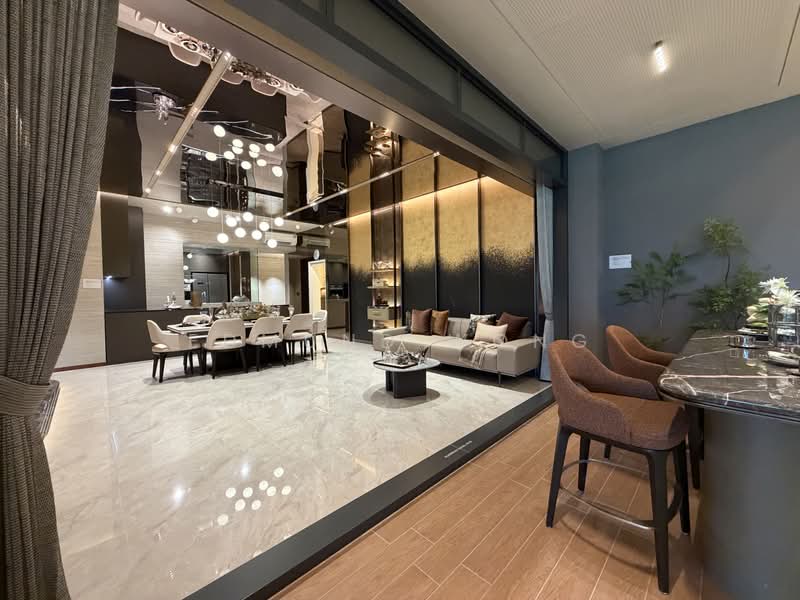
1 properties in Gardens by the Bay MRT
The Gardens by the Bay MRT station area, particularly the Marina South precinct, has stabilised after strong pandemic-driven demand and represents a more measured market compared to 2021-2022 peaks. Properties in this location benefit from sustained demand due to the integrated development appeal, waterfront proximity, and established infrastructure, making it relatively resilient despite broader cooling measures. However, buyers should be mindful that prices in the S$4.7 million range reflect premium positioning, and recent ABSD increases mean investors face significantly higher costs, potentially affecting future capital appreciation rates.
Properties adjacent to Gardens by the Bay MRT command a premium over comparable central locations, with prices per square foot typically 5-10% higher than broader Marina South offerings due to the iconic status and integrated lifestyle amenities of the Gardens themselves. Unlike pure CBD office-adjacent properties, residential units here benefit from recreational and leisure positioning, which attracts owner-occupiers and creates different pricing dynamics than investment-driven CBD segments. The wider Eastern Region price trends show more volatility, but Marina Bay's captive appeal means Gardens by the Bay MRT properties have demonstrated better price stickiness during downturns.
The typical buyer at this price level is an established owner-occupier seeking lifestyle convenience, often with children, who prioritises waterfront living, world-class attractions, and proximity to the CBD without the congestion of Orchard or Tanjong Pagar. High-net-worth individuals and expatriate families form a significant portion of the buyer profile, as they value the integrated resort-style environment and English-speaking international community typically found in Marina Bay developments. The profile rarely includes first-time buyers, given the substantial price point, and owner-occupiers significantly outnumber investors in this specific micro-location.
At this price point, buyers typically require substantial equity or access to premium banking facilities, as most Singapore banks cap residential mortgages at 75% of property value for non-landed properties, necessitating a minimum cash outlay of approximately S$1.2 million. The debt servicing ratio requirements mean borrowers generally need a household income of at least S$300,000 annually to comfortably service a S$3.5 million mortgage, which excludes a significant portion of the general buyer pool. Many buyers at this level explore alternative financing structures, including private banking, cross-border borrowing, or cash purchases entirely, particularly if they are international investors seeking Singapore real estate exposure.
As of 2024, investors (non-individuals or those purchasing additional residential properties) face Additional Buyer's Stamp Duty (ABSD) starting at 20%, significantly impacting a S$4.7 million purchase with approximately S$760,000 in ABSD liability alone, making investor returns substantially compressed compared to owner-occupier scenarios. Ordinary stamp duty applies at standard rates (1.5% for the first S$180,000, then progressive increases), adding a further S$75,000-S$80,000 to transaction costs. For investors, the combined stamp duty and ABSD of roughly S$840,000-S$850,000 necessitates rental yields of 3-4% annually just to recover transaction costs over a 10-year holding period, making this category less attractive for pure investment purposes compared to sub-S$2 million properties in emerging areas.
Properties in the Marina Bay area near Gardens by the Bay MRT typically yield 2.5-3.5% annually, with premium penthouses and harbour-view units occasionally commanding 3-4%, reflecting the limited tenant pool willing to pay S$8,000-S$12,000 monthly rent for this category. Vacancy risk is relatively low (typically 1-3 months between tenancies) due to the strong expatriate and high-income professional demographic attracted by the precinct, though rental growth has plateaued post-pandemic and appears unlikely to exceed 2-3% annually over the medium term. The luxury rental segment has become increasingly competitive with newer integrated developments and evolving work-from-home patterns, meaning investors must account for potential downward yield pressure if economic conditions weaken or tenant demand shifts toward emerging CBD fringe locations.
Properties within 400-500 metres of Gardens by the Bay MRT station command a 8-12% premium over comparable units 1-1.5 kilometres away, as the station integration reduces commute times to Raffles Place and Tanjong Pagar by approximately 5-10 minutes compared to alternative MRT routing. The first-last-mile connectivity advantage is particularly pronounced for professionals working in the CBD or Marina financial centres, making station proximity a crucial factor for owner-occupiers with commuting obligations. However, the Gardens by the Bay MRT serves a limited corridor (the Thomson-East Coast Line TE route), and its value proposition diminishes for those requiring frequent access to the North-South or East-West lines, potentially limiting its appeal compared to more central interchange stations.
The Marina South precinct is largely built-out, with minimal additional residential supply anticipated before 2026-2028, meaning new competing stock is unlikely to exert significant downward pressure on existing properties in the immediate to medium term. However, the Tourism Development Board's ongoing Marina Bay enhancement initiatives, including expanded attractions and improved waterfront connectivity, may attract additional mixed-use developments (predominantly retail and hospitality) that could enhance property values rather than dilute them. Unlike emerging growth areas such as Jurong Lake or Kallang-Whampoa, the Gardens by the Bay precinct faces supply constraints due to land scarcity and existing density levels, positioning it defensively against new-project competitiveness.
Most apartments near Gardens by the Bay MRT are constructed on 99-year leasehold land, with the earliest developments (Pinnacle@Duxton, Marina Bay Suites, One Marina Gardens) now holding 20-22 years of tenure elapsed, meaning prospective buyers should verify remaining tenure and consider how a 77-year lease affects future resale value and bank lending appetite. Singapore banking institutions typically reduce loan-to-value ratios for properties with less than 60 years remaining on the lease, so buyers should account for tenure decay when planning long-term ownership or assessing future refinancing capacity. The lack of significant freehold options near Gardens by the Bay MRT makes tenure comparison less critical than in landed property segments, but it remains a material factor affecting financing accessibility and capital retention for investors expecting 20+ year holding periods.
Buyers must conduct thorough due diligence on unit-level specifications, including waterfront view quality (which commands 15-25% premiums but often requires corner or odd-shaped units), actual window orientations versus marketing imagery, and whether premium pricing reflects genuine amenity access or merely marketing positioning by the developer. Physical inspection should specifically address noise exposure from the adjacent Gardens development activities, MRT rail noise during off-peak hours (occasionally underestimated in marketing), and the operational status of promised precinct amenities, as delayed or incomplete developments can frustrate owner satisfaction despite premium positioning. Buyers should cross-reference recent transaction prices (obtained via caveat data or agent networks) against listed asking prices to identify overpriced outliers, as the limited comparable sales volume near this specific MRT station occasionally allows sellers to price speculatively without sufficient market validation.
Free Property Valuation
Enter your postal code and get a free instant valuation report straight to your inbox.