11 properties in Fort Canning MRT
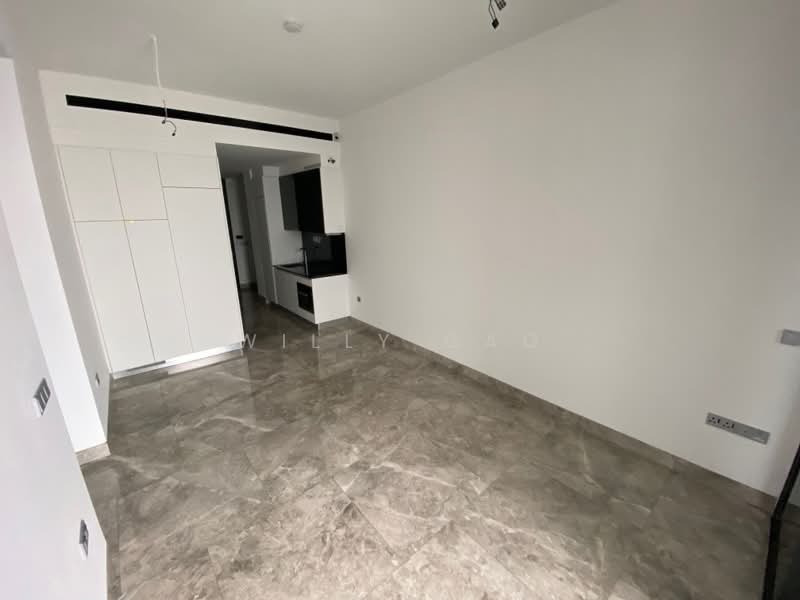
S$ 2,168,000
100-100D Oxley Rise · Condo · 7 min (580 m) from DT20 Fort Canning MRT Station
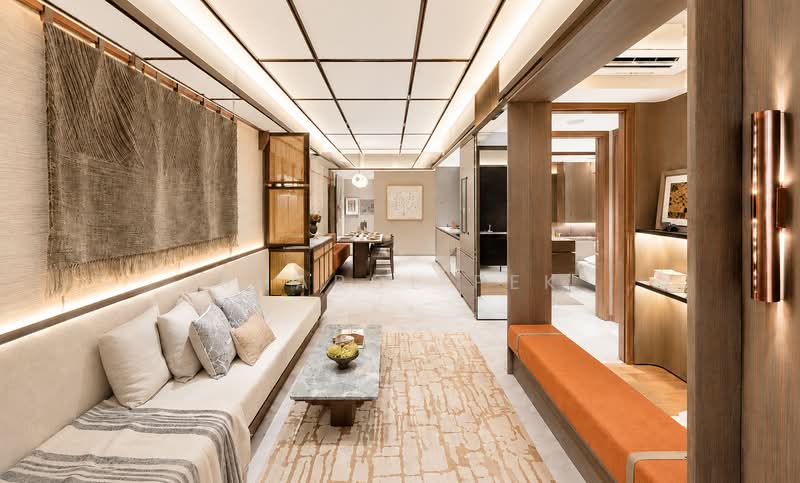
S$ 2,317,000
11 Unity Street · Condo · 5 min (380 m) from DT20 Fort Canning MRT Station
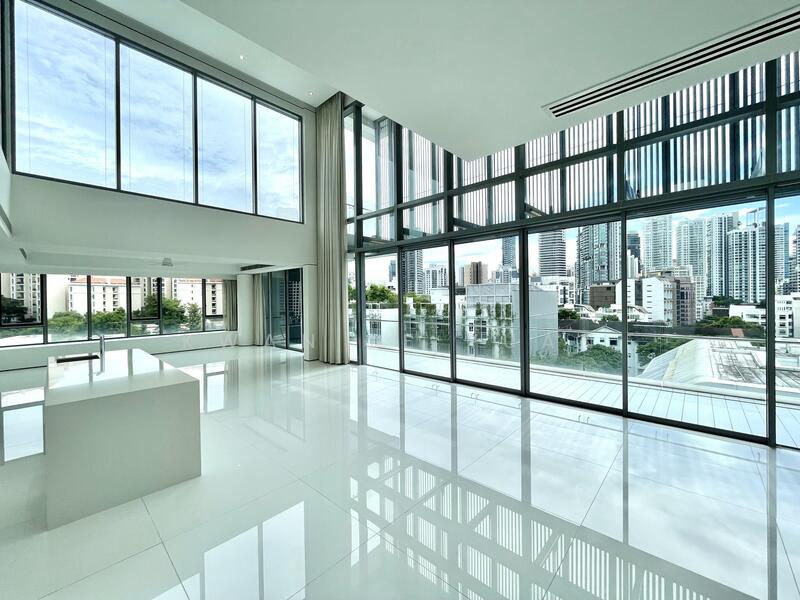
S$ 2,435,000
177 River Valley Road · Condo · 1 min (100 m) from DT20 Fort Canning MRT Station
S$ 2,200,000
10 Martin Place · Condo · 10 min (810 m) from DT20 Fort Canning MRT Station
S$ 2,168,000
10 Martin Place · Condo · 10 min (810 m) from DT20 Fort Canning MRT Station
S$ 3,480,300
177 River Valley Road · Condo · 1 min (100 m) from DT20 Fort Canning MRT Station
S$ 2,070,000
10 Martin Place · Condo · 10 min (810 m) from DT20 Fort Canning MRT Station
S$ 6,175,200
51A Oxley Road · Condo · 8 min (640 m) from DT20 Fort Canning MRT Station
S$ 2,600,000
80 Mohamed Sultan Road · Condo · 7 min (580 m) from DT20 Fort Canning MRT Station
S$ 3,273,000
11 Unity Street · Condo · 5 min (380 m) from DT20 Fort Canning MRT Station
S$ 10,000,000
51A Oxley Road · Condo · 8 min (640 m) from DT20 Fort Canning MRT Station
Fort Canning remains a strategically positioned station on the Downtown Line, serving the central business district and cultural precinct, which provides stable long-term demand. Current listing prices range from S$2.07 million to S$6.18 million, reflecting a mature, premium market segment that tends to be less volatile than mass-market HDB or new launch condominiums. Given the area's established infrastructure, proximity to major employment centres like Raffles Place and Marina Bay, and limited future supply expansion, this represents a relatively defensive investment choice, though buyers should expect to compete in an established buyer's market rather than benefit from appreciation surges.
Properties in the Fort Canning precinct have demonstrated resilience relative to broader market volatility, as the area's established status and proximity to the CBD have insulated it from the sharper corrections seen in newer suburban developments. The current average transacted prices in this cluster—hovering around S$2.2 to S$2.4 million for condominiums—have remained relatively stable, with limited downward pressure despite broader market headwinds from interest rate rises and cooling measures. However, the price premium attributable purely to MRT proximity in this mature location is less pronounced than in emerging transit-oriented developments, as accessibility to Fort Canning is already fully capitalised into valuations.
The Fort Canning precinct attracts primarily executive-level owner-occupiers and downsizers seeking walkable urban living in the cultural and civic heart of Singapore, rather than first-time buyers or young families seeking value. Condominiums like The Robertson Opus and CanningHill Piers appeal to affluent professionals and empty-nesters who prioritise convenience and lifestyle amenities, whilst older walk-ups like Hollywood Apartments tend to attract investors seeking rental yield from the transient expatriate market concentrated in nearby business districts. The mix of heritage conservation areas and modern developments also draws international buyers and corporate relocations who value the area's established character and proximity to cultural institutions.
Properties in this price bracket typically attract buyer profiles with existing equity or substantial liquid reserves, as the quantum places them beyond the scope of most first-time buyer assistance schemes and requires down payments of 20-25% under standard bank lending criteria. Banks generally offer loan-to-value ratios of 75-80% for properties in this established CBD-adjacent location, with mortgage tenures up to 30 years, resulting in monthly servicing costs of approximately S$7,500 to S$9,500 at current interest rates of around 3.5-4.0%. Buyers should note that properties at this price point often face stricter eligibility assessments, and professional income documentation and credit history are scrutinised more thoroughly than for lower-priced segments.
Investors purchasing a second or subsequent residential property near Fort Canning will incur Additional Buyer's Stamp Duty (ABSD) at rates of 15% for Singapore citizens and permanent residents, or 25% for foreign investors, payable on top of base stamp duty, which significantly elevates the acquisition cost on a S$2.3 million property to approximately S$377,500 for a citizen investor or S$607,500 for a foreigner. Seller's stamp duty of 4% applies if the property is disposed of within the first year of purchase, tapering to 3% in year two and 2% in year three, creating a disincentive to short-term speculation. Annual property tax on a S$2.3 million property in this location typically ranges from S$5,500 to S$7,200 depending on valuation assessments, and investors must also budget for maintenance, sinking fund contributions for condominiums, and potential void periods between tenancies.
Properties near Fort Canning typically achieve gross rental yields of 2.5% to 3.5% annually, reflecting the premium price point and limited tenant pool; a S$2.3 million property might command monthly rents of S$5,500 to S$8,000, depending on unit size, condition, and specific amenities. Vacancy risk in this segment is moderate compared to mass-market rental properties, as the catchment includes stable corporate tenants, expatriate professionals, and executive relocations, though the market is more sensitive to economic cycles and corporate hiring freezes. The smaller inventory of properties in this price tier means that a prolonged void period can significantly impact overall returns, particularly if the investor needs to offer rental concessions or extensive refurbishment to remain competitive against newer or more amenity-rich alternatives in the Orchard or Marina Bay precincts.
Properties within a 5-minute walk (approximately 380 metres) of Fort Canning MRT, such as The Robertson Opus, command a measurable valuation premium of 3-5% over comparable units 10 minutes away, reflecting the convenience factor and reduced friction for daily commuting to the CBD. However, in this mature, established precinct, the absolute differential between units at 100 metres versus 640 metres from the station is substantially smaller than in emerging new towns, because the Fort Canning location itself is already priced as a transit-oriented, CBD-adjacent address. Properties further afield but still within the Fort Canning neighbourhood cluster—such as Martin Modern at 810 metres away—may offer better value for investors and owner-occupiers with flexible commuting patterns or those who work from home, as the accessibility loss is modest but the price differential can be 5-8% lower.
The Fort Canning precinct is highly mature with limited undeveloped land remaining, and there are no major new launch residential projects anticipated within the immediate 500-metre radius of the station in the next 2-3 years. The Singapore Urban Redevelopment Authority's planning framework prioritises conservation and mixed-use development in this area, which constrains the quantum of new residential supply and supports price stability for existing properties. However, broader supply increases on the Downtown Line corridor—particularly in the Bukit Merah and Clementi segments—may exert mild competitive pressure, and any new mixed-use developments incorporating residential elements in the River Valley or Clarke Quay precincts could attract a portion of the affluent buyer pool currently focusing on Fort Canning.
All residential properties near Fort Canning MRT are situated on 99-year leaseholds, and depending on when units were acquired by current owners, tenure lengths typically range from 70 to 95 years remaining. Properties with fewer than 75 years of remaining lease may face declining valuations and reduced mortgageability, particularly after the 80-year mark, so buyers should verify residual lease tenure and factor in potential lease extension costs if they intend to hold the property long-term. Singapore's lease extension framework allows owners to petition the government for a 30-year extension, but the process is discretionary and the financial implications can be substantial, making tenure a critical consideration for investors projecting holding periods beyond 15-20 years.
Buyers should carefully assess unit orientation and view exposure, as Fort Canning's mature urban fabric means that some units may face limited natural light or overlook neighbouring residential blocks rather than the green spaces of the Fort Canning Park; units with river or park-facing aspects command meaningful premiums. The condition and age profile of the building's infrastructure—particularly water pressure systems, electrical conduits, and structural elements in older walk-ups like Hollywood Apartments—warrant professional inspection, as remediation of century-old units can incur substantial costs not immediately visible during viewings. Finally, assess the specific condominium's sinking fund reserves and any ongoing or anticipated major renovation projects, as inadequate reserves can result in surprise levies that disproportionately affect properties in this price bracket, and cross-check the building's tenure remaining and any fire safety or heritage conservation constraints that may limit future renovation options or affect insurance premiums.
Free Property Valuation
Enter your postal code and get a free instant valuation report straight to your inbox.