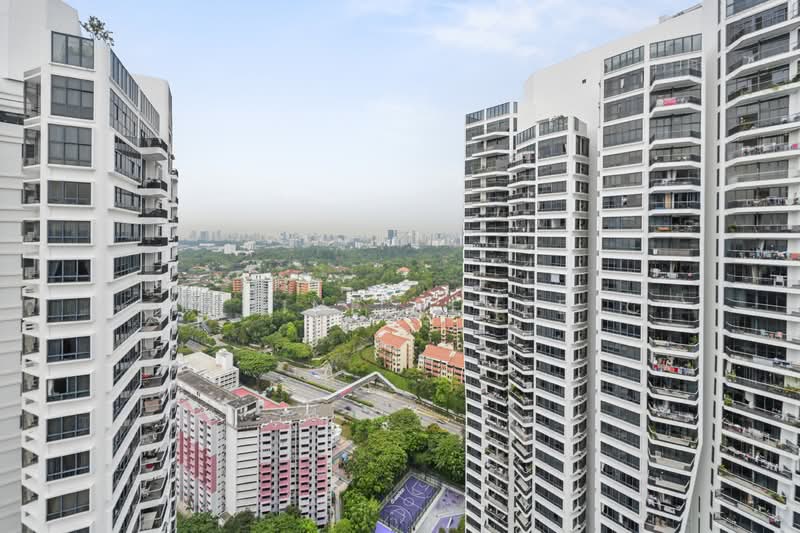
18 properties in Farrer Road MRT
S$ 4,455,880
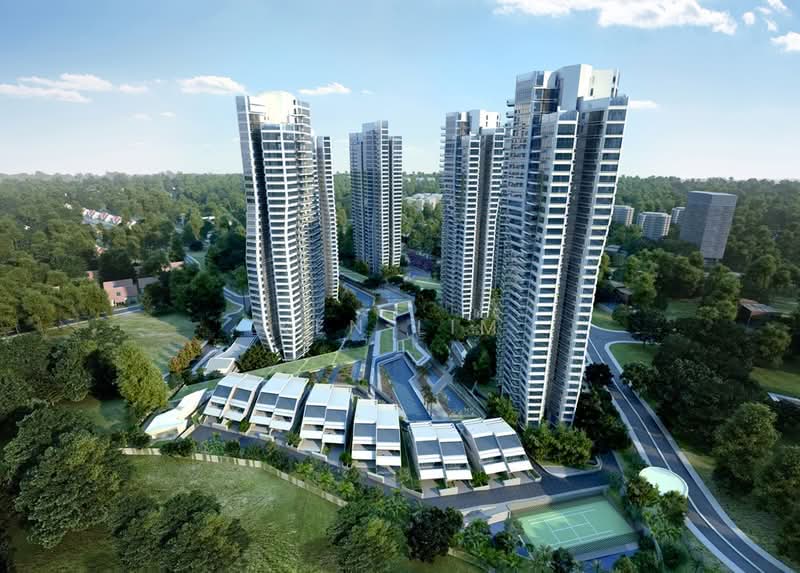
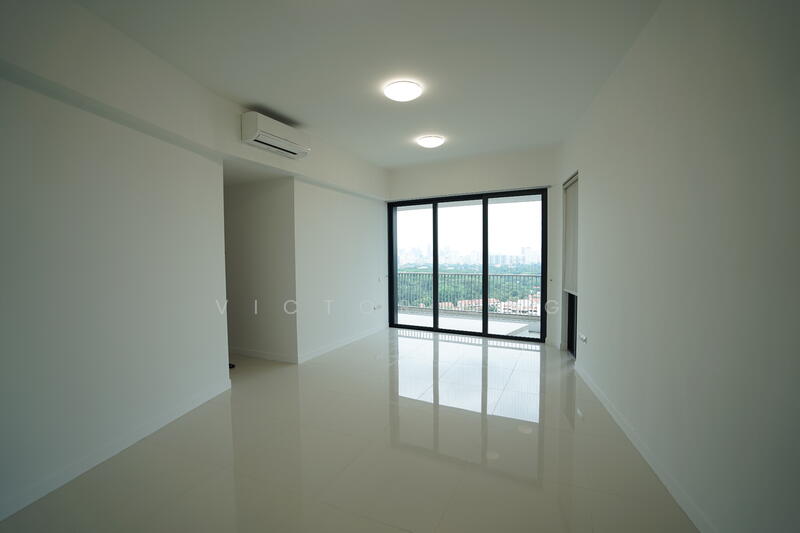
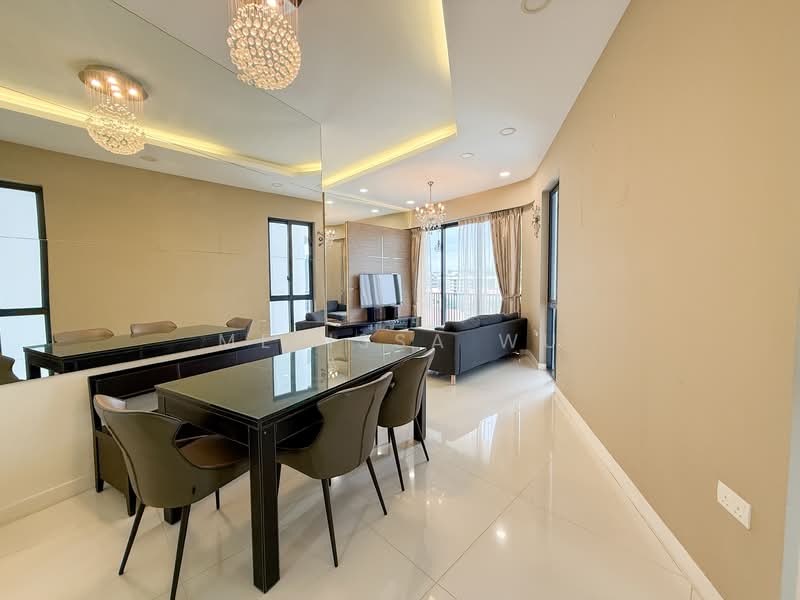
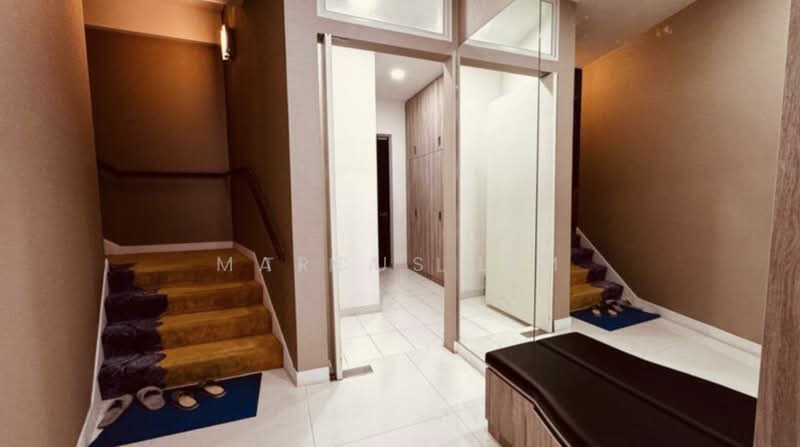
13 Leedon Heights · Condo · 4 min (370 m) from CC20 Farrer Road MRT Station
S$ 3,900,000
9 Leedon Heights · Condo · 4 min (370 m) from CC20 Farrer Road MRT Station
S$ 1,700,000
30 Farrer Road · Condo · 9 min (760 m) from CC20 Farrer Road MRT Station
S$ 2,999,000
9 Leedon Heights · Condo · 4 min (370 m) from CC20 Farrer Road MRT Station
S$ 4,488,800
13 Leedon Heights · Condo · 4 min (370 m) from CC20 Farrer Road MRT Station
S$ 3,350,000
13 Leedon Heights · Condo · 4 min (370 m) from CC20 Farrer Road MRT Station
The Farrer Road MRT area remains an attractive acquisition opportunity, particularly for buyers seeking proximity to the Central Business District without the premium pricing of Orchard or Marina Bay properties. Current market data shows that units in d'Leedon and Leedon Green are trading in the S$1.6M to S$4.5M range, representing a relatively stable market compared to the broader luxury segment's volatility over the past two years. The location's appeal to expatriate families and established professionals continues to underpin demand, making this an opportune window for serious buyers before further interest rate stabilisation potentially triggers renewed price momentum.
Farrer Road MRT commands a pricing premium relative to Circle Line stations further from the city centre, such as Bukit Merah or Tiong Bahru, but trades at a discount to highly sought-after stations like Dhoby Ghaut or Marina Bay. The average condominium pricing near Farrer Road (approximately S$2.0M to S$3.0M for standard units) reflects its sweet spot as a primarily residential enclave with excellent connectivity rather than a commercial hub. This positioning has historically demonstrated more resilient price appreciation during market cycles, as the area attracts long-term owner-occupiers rather than speculative investors.
Properties in this area are ideally suited to established families, senior professionals, and expatriate households seeking a blend of residential tranquillity and urban convenience without the congestion of the city core. The presence of quality schools, parks, and the Singapore Botanic Gardens within walking distance makes the neighbourhood particularly attractive to buyers with school-age children or those prioritising lifestyle amenities. Additionally, the strong rental market for premium units suggests this category also appeals to investor-owner-occupiers who can capitalise on strong tenant demand from international assignees.
Most residential properties near Farrer Road MRT exceed the Housing and Development Board's maximum loan value, necessitating bank financing for private condominiums, typically allowing 75–80% loan-to-value ratios for owner-occupiers at prevailing rates around 4.5–5.0% annually. For a mid-range unit priced at S$2.2M, this implies a required down payment of approximately S$440K–550K plus legal and agent fees, placing affordability comfortably within reach for dual-income professional households earning above S$12K monthly. Buyers should note that banks may apply stricter serviceability assessments for properties in the luxury segment, potentially requiring proof of additional liquid assets beyond the down payment.
Foreign investors or Singapore citizens purchasing a second residential property are subject to Additional Buyer's Stamp Duty (ABSD) ranging from 5–15% depending on citizenship and ownership structure, on top of the standard conveyance duty of 3–4% on the first S$180K of purchase price and 4% thereafter. For a S$2.5M investment property purchase, a foreigner would face approximately S$375K in ABSD and S$90K in conveyance duty, totalling roughly 18.6% in transfer costs—a material consideration that often necessitates off-plan negotiations or developer incentives. Singapore citizens purchasing a second property benefit from a lower 7% ABSD rate, making this category significantly more attractive for domestic investors compared to foreign buyers.
Premium condominiums near Farrer Road MRT typically achieve gross rental yields of 2.5–3.5% annually, reflecting strong tenant demand from international executives and expatriate families but also the elevated capital base of units trading in the S$1.5M–4.5M range. Vacancy risk in this micromarket is relatively low, historically averaging 4–6 weeks between tenancies for well-maintained units, supported by the area's desirability and limited new supply compared to other central locations. However, investors should be aware that yields vary considerably based on unit size and finishes; smaller two-bedroom units often achieve 3.0–3.5% yields, whilst larger units may deliver only 2.2–2.8% due to the smaller tenant pool and longer marketing periods.
MRT proximity is a material value driver in the Farrer Road catchment, with properties within 300–400 metres of the station (such as d'Leedon and nearby units) commanding a 5–8% premium over comparable units located 800–1,000 metres away, exemplified by the difference between Leedon Green and Hyll on Holland pricing. This proximity premium reflects both the convenience factor for commuters and the ability to attract tenants seeking walkable access to the Circle Line and onward connections across Singapore's transport network. However, the Farrer Road area's relatively contained geography means that even properties 12 minutes' walk away (approximately 1 km) retain strong accessibility and rarely suffer from location-based demand penalties, distinguishing it from outer residential zones.
The Farrer Road MRT micromarket has limited new launching supply scheduled within the next 24–36 months, with most major sites already developed or held by institutional investors, resulting in a relatively constrained new supply environment compared to fringe areas like Sengkang or Jurong East. This supply scarcity supports the resilience of existing unit valuations and provides some upside protection for current owners, though it also means that potential buyers have limited choice and may face negotiation headwinds. Government land sales and en bloc redevelopment risks on older condominium projects in the area represent the primary wildcard for future supply; should these materialise, they could introduce competitive new inventory that may moderate price growth in the medium term.
Most properties near Farrer Road MRT are held on 99-year leasehold terms, with many dating from the 1990s to early 2010s and thus currently in the 70–85 year remaining tenure window, which presents minimal financing challenges for owner-occupiers but may constrain investor demand and refinancing options as tenure declines below 70 years. Banks typically require a minimum 60–65 year remaining tenure for mortgage approval, meaning units with less than 60 years remaining may face restricted buyer pools and a potential 10–15% valuation discount relative to comparable freshly-launched properties. For buyers with a 20–25 year investment horizon, tenure erosion below 70 years is a legitimate concern, and properties with shorter remaining terms should only be considered if the entry valuation reflects a proportionate discount to tenure-rich alternatives.
Prospective buyers should conduct detailed inspections of older condominium buildings (particularly those constructed pre-2000) for signs of water damage, structural defects, and inadequate reserve fund contributions, as the tropical climate and age of many developments in this area can conceal costly maintenance issues such as defective waterproofing or concrete deterioration. Verify the building's en bloc redevelopment status and any pending collective sales agreements, as several older properties in the Leedon Heights precinct have been targets for such exercises, which could disrupt ownership or trigger unfavourable terms for minority shareholders. Additionally, confirm that intended use aligns with the property's lease covenant (particularly regarding short-term rental restrictions), check the condominium's latest financial statements and reserve fund adequacy, and engage a surveyor to assess any structural concerns before exchange of contracts, as professional guidance often identifies defects that could cost tens of thousands to remediate post-purchase.
Free Property Valuation
Enter your postal code and get a free instant valuation report straight to your inbox.