4 properties in Commonwealth MRT
S$ 4,470,000
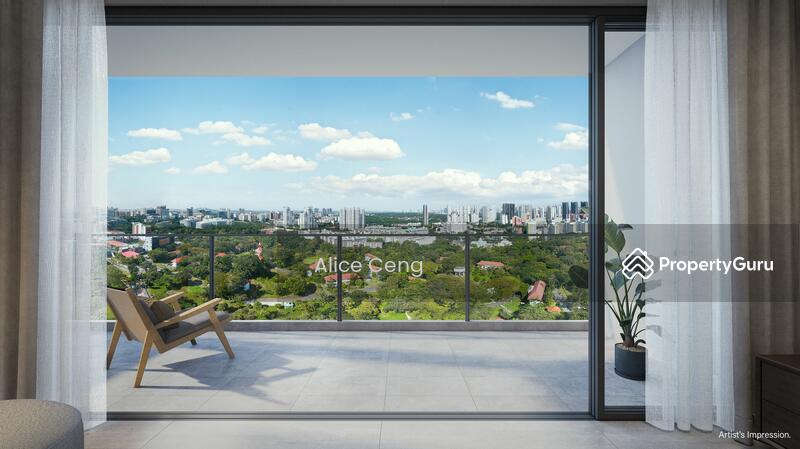
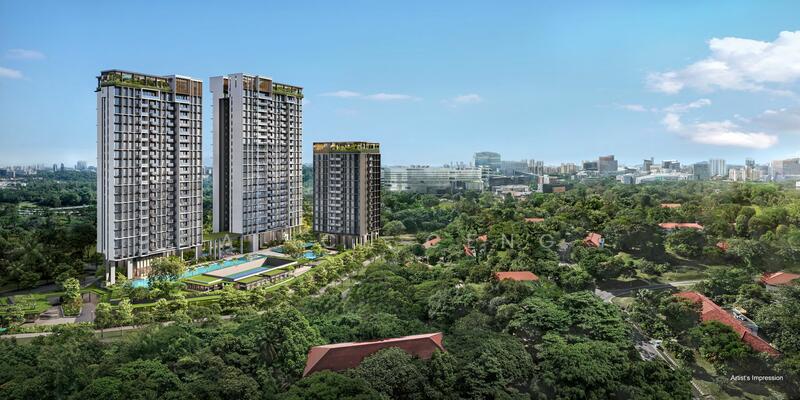
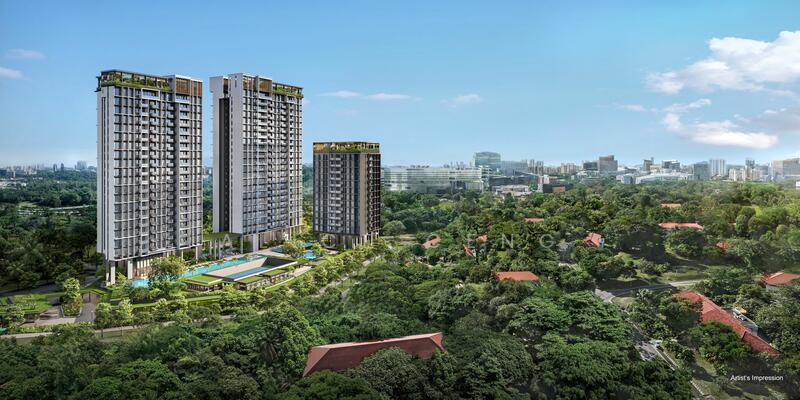
61 Media Circle · Condo · 19 min (1.6 km) from EW20 Commonwealth MRT Station
S$ 3,020,000
61 Media Circle · Condo · 19 min (1.6 km) from EW20 Commonwealth MRT Station
S$ 2,728,000
61 Media Circle · Condo · 19 min (1.6 km) from EW20 Commonwealth MRT Station
S$ 999,999
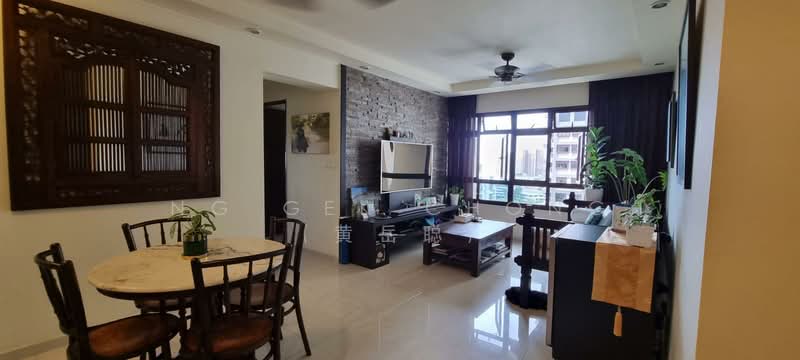
90 Tanglin Halt Road · HDB · 5 min (450 m) from EW20 Commonwealth MRT Station
Commonwealth MRT station sits on the East-West Line in a mature, established residential neighbourhood with relatively stable property values compared to newer launch developments. The area has seen steady but moderate appreciation over the past three years, making it suitable for buyers seeking long-term stability rather than speculative capital gains. Current market conditions favour buyers in this zone as interest rates have stabilised, and the mix of HDB flats and private residential options provides good entry points across different budget segments, particularly for owner-occupiers seeking convenient MRT access without paying peak district premiums.
Commonwealth MRT sits in a mid-corridor position on the East-West Line, with pricing that reflects its proximity to the city centre whilst maintaining lower costs than central stations like Raffles Place or Clementi. Compared to neighbouring stations, Commonwealth offers competitive value for private apartments in the S$2.7 million to S$4.5 million range, whilst HDB resale prices around the S$1 million mark position it as more affordable than premium fringe zones like Queensway or Buona Vista. The area's maturity and established community infrastructure have resulted in slower price volatility than emerging growth corridors, offering relative predictability for conservative investors.
Commonwealth MRT properties appeal primarily to middle to upper-middle-class owner-occupiers and young families seeking convenient MRT connectivity combined with mature neighbourhood amenities like shopping centres, hawker stalls, and established schools in the Bukit Timah and Tanglin areas. Tenants for this zone typically comprise expatriate families, working professionals, and downsizers who value the balance of urban accessibility and quieter residential living, rather than those seeking vibrant nightlife or cutting-edge developments. For investors, the area attracts yield-focused landlords targeting stable, long-term tenancy rather than high-growth capital appreciation, with good demand from corporate housing seekers and professionals working across the island.
The HDB resale flat at Commonwealth (priced around S$1 million) is highly accessible for first-time buyers with standard HDB loan options and CPF financing, requiring a 5% cash down payment for those using CPF housing grants. For private residential apartments in the S$2.7 million to S$4.5 million range, buyers typically need a 20-25% down payment and should expect loan-to-value ratios capped at 75% by most banks, translating to required equity of approximately S$675,000 to S$1.1 million. Prospective buyers should factor in mortgage repayment periods of 25-30 years at current prevailing rates (typically 3.5-4.0%), which on a S$3 million property would require monthly mortgage commitments of approximately S$13,000-S$14,000 before considering other household expenses.
Singapore Citizens and Permanent Residents purchasing a second residential property in the Commonwealth MRT area will incur ABSD at graduated rates starting at 5% for the first S$180,000 of the purchase price, 10% for the next tranche, and 15% on amounts exceeding S$500,000. For a typical private apartment purchase at S$3.5 million, total ABSD would amount to approximately S$455,000, materially affecting investment returns and purchase decision calculations. Foreign investors face significantly higher ABSD at 25% across all price tiers, making this category substantially less attractive unless they are permanent residents, whilst stamp duty proper (calculated on a sliding scale) adds an additional S$20,000-S$50,000 depending on exact purchase price.
Commonwealth MRT private apartments typically achieve gross rental yields of 2.5-3.5% per annum, reflecting stable but moderate rental demand for mature neighbourhood properties, with a typical S$3.2 million apartment commanding monthly rents of S$6,500-S$8,000. Net rental yields after accounting for property tax, maintenance fees (approximately S$400-S$600 monthly), and vacancy contingency generally fall to 1.8-2.5%, which is competitive within the mature residential zone category but lower than emerging growth corridors or central business district properties. Vacancy risk is relatively low given the area's mature tenant profile and corporate housing demand, though rental growth has been modest at 1-2% annually, suggesting investors should prioritise capital preservation rather than aggressive rental escalation strategies.
Properties within 450-500 metres of Commonwealth MRT (such as the HDB flat at 90 Tanglin Halt Road) command a distinct valuation premium of approximately 8-12% over comparable units further afield, reflecting the 5-minute walking time and direct access to the East-West Line. However, the value uplift diminishes significantly beyond 1.2 kilometres; units at 1.6 kilometres distance (like Bloomsbury Residences) experience reduced MRT accessibility premiums despite being marketed within the Commonwealth MRT vicinity, as the 19-minute walk distance reduces appeal for commuters. The immediate 400-600 metre zone experiences more resilient rental demand and lower vacancy periods, making it particularly attractive for buy-to-let investors prioritising stable occupancy over maximum capital growth.
The Commonwealth MRT catchment area has limited major new residential launches scheduled, as most developable land in this mature zone has been utilised, meaning the property base will remain relatively stable without sudden supply shocks. This scarcity of new supply generally supports price stability and prevents downward pressure that might occur in areas with substantial pipeline developments, though it also limits choice for buyers seeking new facilities and modern finishes. The area's constrained supply profile makes it particularly suitable for investors seeking value stability, though prospective buyers should be aware that existing stock will predominantly comprise mature developments built between the 1980s and 2010s, requiring careful assessment of building conditions and potential upgrading needs.
HDB flats in the Commonwealth MRT area, such as the unit at 90 Tanglin Halt Road, are typically 55-60 years into their 99-year lease, meaning buyers should carefully evaluate remaining tenure and the timing of potential en-bloc scenarios or major structural upgrading programmes that may affect long-term holding value. Private apartments developed from the 1990s onwards generally carry freehold or longer tenure status, eliminating lease decay concerns, though investors should verify tenure status when shortlisting units as this significantly impacts long-term capital retention. Buyers should be particularly cautious about HDB units with remaining lease falling below 75 years, as both residential value and refinancing options become increasingly constrained, making these less suitable for long-term owner-occupiers seeking legacy assets.
Buyers must verify the exact walking distance to Commonwealth MRT (differentiating between claimed zone proximity and actual on-ground walking time), examine building age and structural condition reports for mature developments, and assess management quality through maintenance fee trends and resident satisfaction indicators, as these dramatically impact long-term ownership satisfaction and resale value. Purchasing decisions should factor in the specific block and unit orientation (particularly important for Tanglin Halt area HDB flats prone to traffic noise), confirm exact lease tenure remaining, and cross-reference any ongoing or planned upgrading works by HDB or private management that might trigger temporary value fluctuations. Prospective buyers should also conduct detailed market research on recent comparable transactions rather than relying on published asking prices, as Commonwealth MRT properties often transact at discounts due to the area's relatively flat appreciation trajectory, and inspect unit conditions personally rather than relying on virtual tours, given the prevalence of older stock.
Free Property Valuation
Enter your postal code and get a free instant valuation report straight to your inbox.