Cantonment MRT station stands as a crucial transport node in Singapore's evolving urban landscape, serving residents and workers in one of the island's most strategically positioned neighbourhoods. Located along the Downtown Line, this station has become increasingly important for those seeking properties that balance proximity to employment centres with access to established residential areas. Whether you're a first-time buyer, investor, or renter, understanding the dynamics of the Cantonment MRT corridor provides valuable insight into Singapore's property market evolution.
Cantonment station's position on the Downtown Line places it at the intersection of Singapore's central business landscape and emerging residential quarters. The station connects seamlessly to Outram Park MRT, a major interchange that links to the East-West and North-East Lines, whilst Tiong Bahru MRT lies just two stops away. This strategic positioning means commuters enjoy rapid access to Marina Bay's financial institutions, the CBD's corporate offices, and secondary business districts across the island.
For those working in technology and innovation sectors, connections to one-north and Biopolis are straightforward via the Downtown Line, typically requiring just fifteen to twenty minutes of travel time. The station also provides excellent coverage for professionals commuting to Changi Business Park, making it an attractive base for those seeking to minimise daily journey times without compromising on property quality or neighbourhood character.
The area surrounding Cantonment MRT reflects Singapore's unique ability to preserve heritage whilst embracing contemporary urban development. The neighbourhood encompasses traditional shophouse conservation areas, established public housing precincts, and increasingly, modern residential developments designed for the contemporary urban professional. This mix creates a distinctive character that appeals to diverse buyer and renter profiles.
Walking distance from the station, you'll encounter the conservation belt that characterises much of Outram and Cantonment, where low-rise heritage buildings house quirky independent cafes, traditional businesses, and increasingly, contemporary dining establishments. This evolving retail landscape has attracted younger residents seeking authentic neighbourhood experiences beyond the standardised shopping mall environment. The area's proximity to Tiong Bahru's thriving weekend market culture and art scene adds another layer of neighbourhood appeal for culturally-engaged residents.
Properties accessible via Cantonment MRT span the full spectrum of Singapore's residential market. The immediate station catchment includes HDB flats ranging from three to five-room units, with many offering renovation potential and established community facilities. HDB properties in this area have consistently performed well as investment assets, particularly for investors seeking stable rental yields and primary residence buyers entering the market.
Beyond public housing, the Cantonment corridor has seen increasing private residential development. Boutique condominiums and landed properties offer alternatives for buyers seeking freehold or long-lease options with modern amenities. The price point differences between HDB, private apartment, and landed properties in this area reflect genuine lifestyle choices rather than simply reflecting prestige markers, making it possible for buyers to find genuine value across different property categories.
Rental demand in the Cantonment MRT area remains consistently strong, driven by professional workers requiring convenient CBD access and international expatriates seeking established neighbourhoods with transport connectivity. Monthly rental rates for well-maintained two-bedroom apartments typically range between SGD 2,800 and 3,600, reflecting the area's accessibility to major employment centres and relatively stable property values.
Residents of the Cantonment MRT area benefit from proximity to significant lifestyle amenities. The Outram Park precinct houses the Outram Community Club, offering residents access to recreational facilities, educational programmes, and community events. Healthcare facilities including specialised clinics and polyclinics serve the neighbourhood, whilst larger medical complexes at nearby Alexandra Hospital provide comprehensive tertiary care options.
Educational institutions within reasonable distance include both government and independent schools, making the area attractive for families. The established community infrastructure—hawker centres, supermarkets, postal facilities, and banking services—means new residents rarely face the inconvenience of settling into less-developed areas. The Outram Park vicinity particularly offers dining variety ranging from traditional zi char establishments to contemporary fusion restaurants, reflecting the area's gradual transformation.
For fitness enthusiasts and outdoor recreation seekers, the neighbourhood's proximity to the Singapore River and towards Marina area provides green spaces and recreational paths. The relatively compact nature of the district means most amenities remain within walking distance or a short bus journey, reducing dependency on private transport for daily needs.
Properties in the Cantonment MRT catchment present interesting investment propositions for different investor profiles. HDB properties here have demonstrated steady appreciation aligned with Singapore's overall public housing market performance. The rental yield potential remains attractive due to strong tenant demand from professionals working in nearby business districts.
For private property investors, the area's trajectory towards greater mixed-use development—combining residential, retail, and office components—suggests medium-term appreciation potential. The neighbourhood's current transition phase, where heritage conservation sits alongside modern development, may present opportunities for investors with longer investment horizons who believe in the area's continued evolution as an attractive residential destination.
When considering purchases or investments via Cantonment MRT, examining URA's property information portal for historical transaction data provides valuable context for understanding pricing trends. Similarly, understanding HDB policies regarding resale eligibility and lease hold periods remains crucial for those considering public housing investments.
Whilst Cantonment MRT provides the primary transport spine, the area also benefits from comprehensive bus coverage. Multiple bus routes connect the station area to surrounding districts, providing alternative commuting options and reducing dependency on the MRT alone during peak periods. This multi-modal transport accessibility enhances the area's appeal for residents without private vehicles or those seeking flexibility in commuting arrangements.
For those with vehicles, the area's proximity to key expressways including the Ayer Rajah Expressway facilitates access to industrial estates, port areas, and other employment nodes requiring vehicular transport. Parking availability varies depending on specific properties, with newer developments typically offering comprehensive parking solutions whilst some heritage-area properties may involve on-street or designated lot arrangements.
The Cantonment MRT area continues to feature in Singapore's urban renewal and development planning. Ongoing efforts to enhance pedestrian connectivity, improve public realm design, and introduce mixed-use developments suggest the neighbourhood will maintain its attractiveness for investors and residents alike. The broader transformation of the central business district towards greater diversity in employment activities and residential provision reinforces Cantonment's positioning as an increasingly attractive location.
Understanding the broader context of Singapore's property market evolution helps contextualise the specific opportunities available in the Cantonment MRT corridor. The station area represents neither an emerging frontier nor an established peak of market evolution, positioning it as an interesting middle ground for discerning buyers and investors.
Choosing properties near Cantonment MRT depends on your specific requirements and priorities. If you value established neighbourhood character, proximity to employment centres, and access to diverse transport options, the area presents compelling advantages. The balance between heritage charm and contemporary development creates a distinctive living environment that appeals particularly to professionals, empty-nesters, and small families seeking location efficiency without sacrificing neighbourhood personality.
For investors, the area's consistent performance, strong rental demand, and strategic positioning within Singapore's property landscape continue to provide reliable returns. The diversity of property types ensures options exist across different budget ranges and investment strategies.
Explore current property listings accessible from Cantonment MRT to discover available options matching your specific requirements. Engaging with local property agents familiar with the neighbourhood provides additional insights into transaction trends, tenant demand patterns, and micro-location advantages that influence property valuations and investment performance.
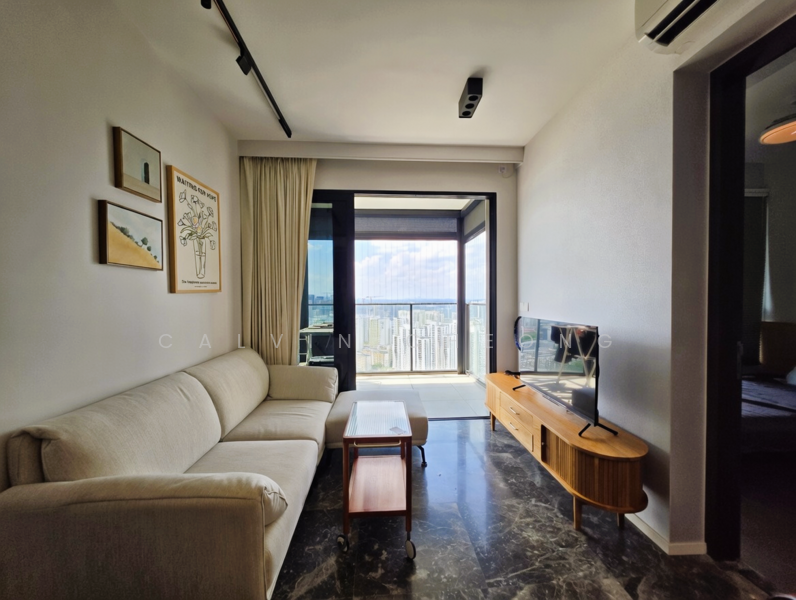
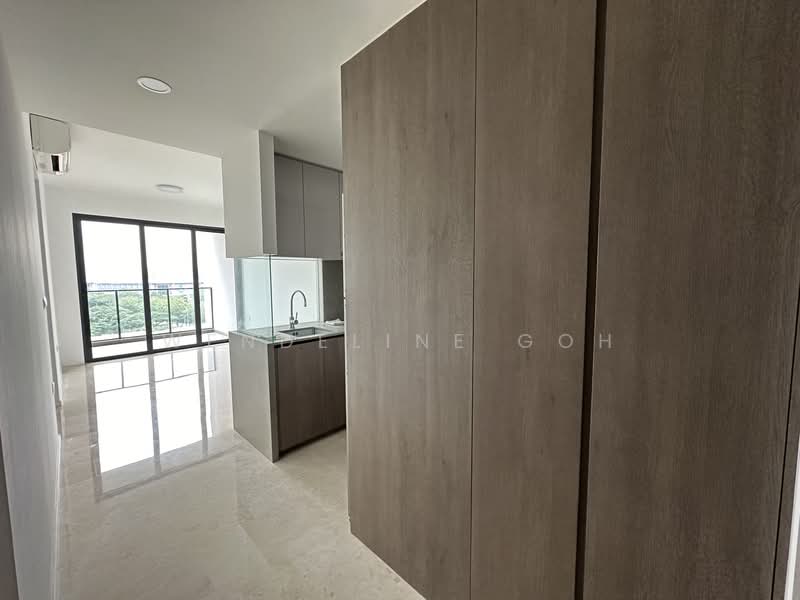
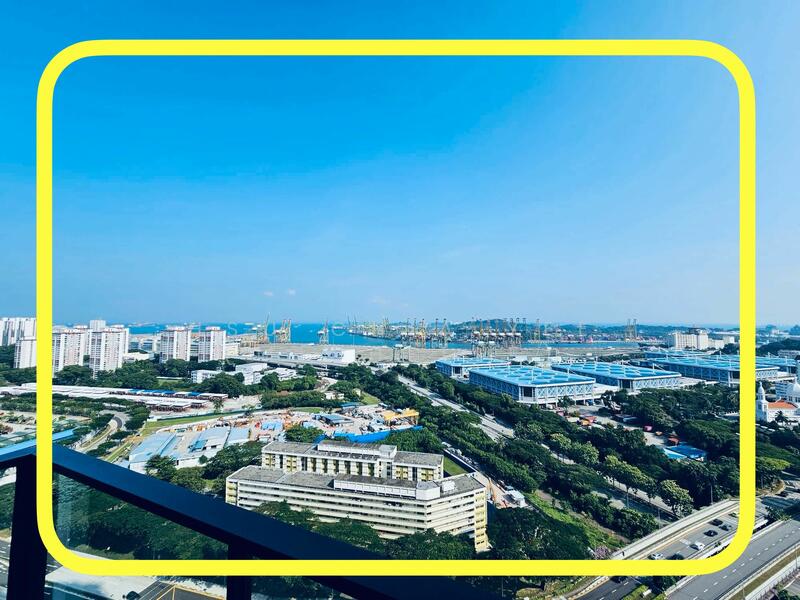
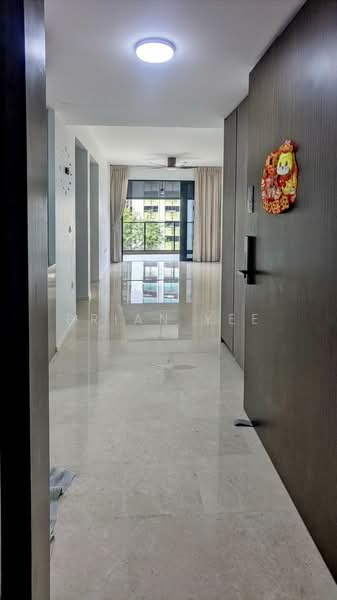
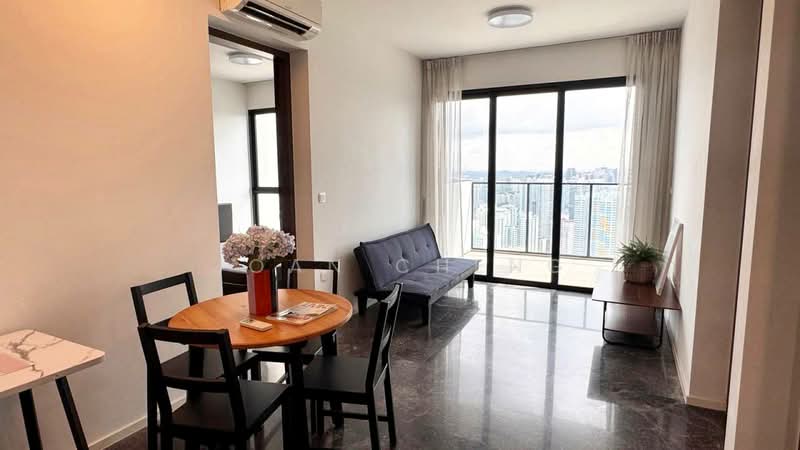
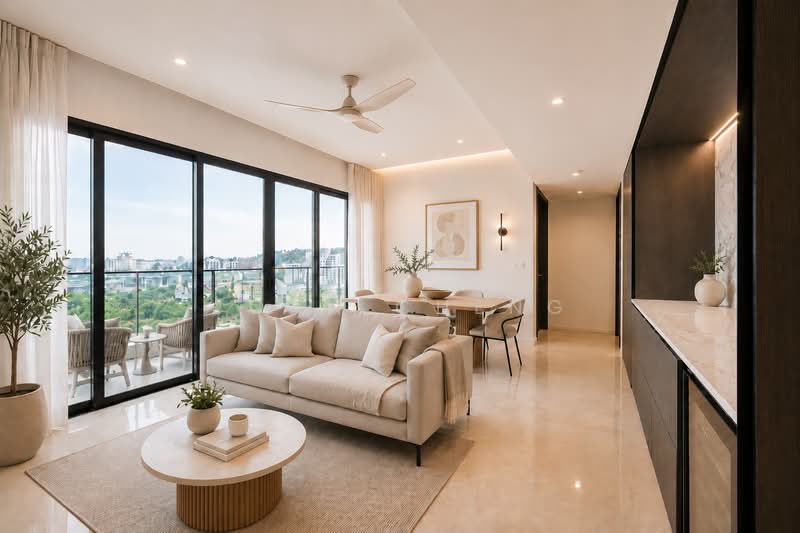
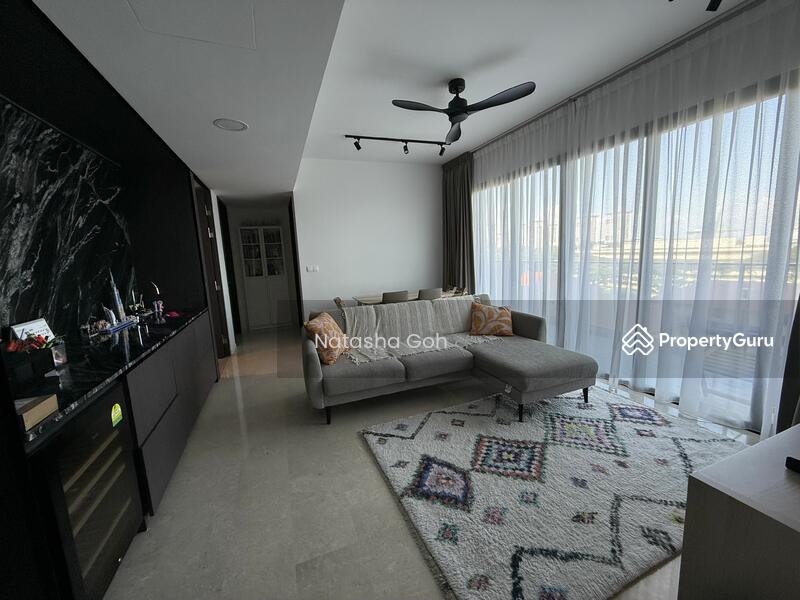
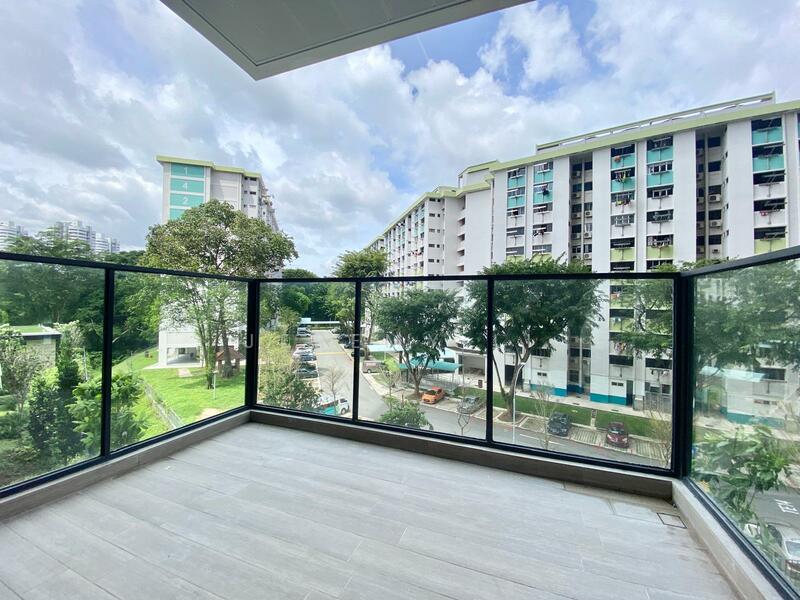
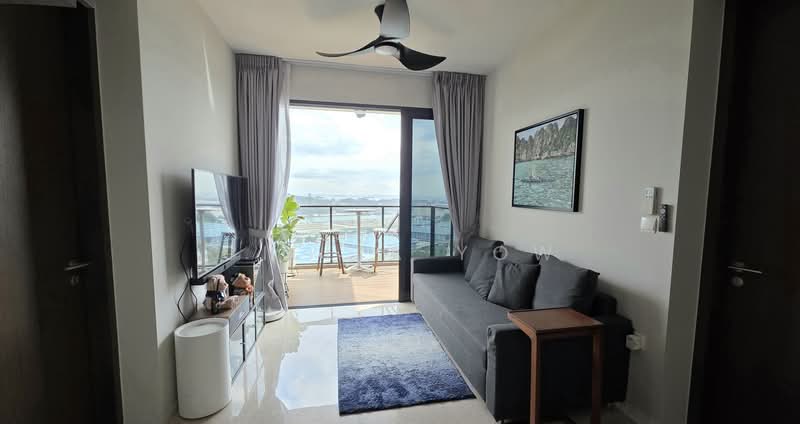
11 properties in Cantonment MRT
S$ 1,250,000
11 Silat Avenue · Condo · 14 min (1.18 km) from CC31 Cantonment MRT Station
S$ 1,620,000
11 Silat Avenue · Condo · 14 min (1.18 km) from CC31 Cantonment MRT Station
S$ 1,650,000
11 Silat Avenue · Condo · 14 min (1.18 km) from CC31 Cantonment MRT Station
S$ 1,150,000
13 Silat Avenue · Condo · 15 min (1.2 km) from CC31 Cantonment MRT Station
S$ 1,550,000
11 Silat Avenue · Condo · 14 min (1.18 km) from CC31 Cantonment MRT Station
S$ 1,680,000
1 Silat Avenue · Condo · 15 min (1.25 km) from CC31 Cantonment MRT Station
S$ 3,500,000
13 Silat Avenue · Condo · 15 min (1.2 km) from CC31 Cantonment MRT Station
S$ 3,300,000
11 Silat Avenue · Condo · 14 min (1.18 km) from CC31 Cantonment MRT Station
S$ 1,300,000
11 Silat Avenue · Condo · 14 min (1.18 km) from CC31 Cantonment MRT Station
S$ 1,599,999
13 Silat Avenue · Condo · 1.2 km (15 mins) from CC31 Cantonment MRT
S$ 1,350,000
107 Spottiswoode Park Road · Condo · 310 m (4 mins) from CC31 Cantonment MRT
The Cantonment MRT area, being part of the mature city-centre fringe along the Circle Line, presents a balanced buyer's market in 2024 with relatively stable pricing compared to suburban expansions. Properties here have shown resilience due to their proximity to the CBD and established infrastructure, though they lack the speculative upside of newer developments in growth corridors like Jurong East or Punggol. For owner-occupiers seeking convenience and connectivity without the premium of prime central locations, this remains a pragmatic entry point, particularly as interest rates have stabilised after previous hikes.
Properties near Cantonment MRT have appreciated more modestly than either the luxury central core (Marina Bay, Orchard) or the emerging hotspots (Tengah, Seletar), reflecting its status as a functional rather than aspirational address. Data shows year-on-year growth hovering around 2–4 per cent, whereas East Coast and North-East locations have seen 5–7 per cent gains driven by new MRT connections and infrastructure master plans. The Avenue South Residence price range of S$1.15–3.5 million demonstrates the category's appeal to pragmatic mid-market buyers and investors seeking stable, modest capital appreciation rather than explosive value growth.
Owner-occupiers aged 35–50 with established careers in the CBD or surrounding financial districts represent the primary buyer cohort, valuing the 8–12 minute commute to Raffles Place and Tanjong Pagar over lifestyle amenities. Young professional couples and empty-nesters downsizing from larger suburban homes also find appeal in the walkable Tiong Bahru and Cantonment vicinity, which offers neighbourhood cafés, independent shops, and cultural attractions without the tourist-centric premium of Orchard. For tenants, this locality attracts expatriate professionals on short-term assignments (2–3 years) and established local renters seeking affordability whilst maintaining central accessibility.
At the median price point of approximately S$1.5 million for a typical three-bedroom unit, buyers require a minimum down payment of S$300,000–400,000 (20–25 per cent) and will service a mortgage of around S$900,000–1.2 million over 25–30 years. With current home loan rates at 4–4.5 per cent, monthly instalments typically range from S$4,500–5,500 depending on tenure and loan structure, making this category accessible to households earning S$12,000–15,000 monthly without difficulty in servicing debt-to-income ratios. The sub-S$1.2 million segment (lower units in Avenue South Residence) remains attractive to first-time upgraders from HDB flats, whilst the S$3+ million penthouses appeal to investors and downsizers seeking capital preservation.
Investor purchases incur Additional Buyer's Stamp Duty (ABSD) at rates of 5–15 per cent depending on citizenship and ownership profile (a second Singapore property attracts 5 per cent for citizens, rising to 15 per cent for permanent residents and foreigners), making the effective cost of entry substantially higher than owner-occupier purchases. Buyer's Stamp Duty on a S$1.5 million property totals approximately S$13,750 for owner-occupiers, whilst investors face ABSD of S$75,000–225,000 depending on category, fundamentally altering yield calculations and requiring careful financial modelling before acquisition. The rental yield expectations in this category (typically 2.5–3.5 per cent gross) may not justify such tax burdens for marginal investors, making this locality more suitable for long-term hold strategies rather than active flipping.
Gross rental yields in the Cantonment area typically range from 2.5–3.5 per cent, with a two-bedroom unit at S$1.2 million achieving approximately S$3,200–3,800 monthly rent, slightly below comparable City Fringe locations such as Bugis or Kallang due to limited expatriate premium and student demand. Vacancy risk remains moderate (typically 4–6 weeks annually) as the area's appeal to quality tenants—particularly relocating professionals and downsizers—sustains relatively steady occupancy, though leasing velocity is slower than in high-turnover zones near universities or tech hubs. Net yields after accounting for property tax (approximately 0.6 per cent), maintenance fees (S$400–600 monthly at Avenue South Residence), and management fees of 4–6 per cent of rental income compress returns to approximately 1.5–2.2 per cent, warranting investor scrutiny of capital appreciation assumptions.
The current listings demonstrate modest MRT proximity variation, with distances ranging from 1.18–1.25 km (14–15 minutes walking), which translates to only approximately 2–4 per cent price differential between the closest and furthest units—substantially less than the 8–12 per cent premiums observed in fringe zones like Woodlands or Bukit Timah where MRT accessibility is transformative. At this spatial scale within an established MRT-served area, buyers prioritise internal unit specifications and developer reputation (Avenue South Residence commanding prices across the range) rather than granular proximity metrics, as the entire precinct enjoys proven connectivity benefits. However, the Circle Line's maturity and lack of imminent extensions nearby mean this locality will not experience the value resets observed in emerging MRT corridors, suggesting that proximity remains a hygiene factor rather than a value driver.
The Cantonment MRT zone is characterised by limited new supply, as most surrounding land comprises heritage shophouses (Tiong Bahru Conservation Area), mature HDB estates, and already-developed private residential clusters, constraining speculative value growth. Unlike growth areas such as Sengkang (with multiple new developments expected until 2026) or Jurong East (significant commercial-residential intensification), Cantonment's pipeline is essentially limited to en-bloc redevelopments of older condominium blocks—a process fraught with legal and neighbour coordination risks that materialise infrequently. This scarcity, whilst not guaranteeing appreciation, does provide downside protection against oversupply, making the category defensible for conservative investor mindsets seeking stability over growth.
Properties in this category typically carry 99-year or freehold tenures, with Avenue South Residence units likely in the 99-year band depending on initial development date (tenure decay becomes material only beyond 2050, when residual life falls below 75 years and financing becomes constrained). Buyers aged 40+ should verify remaining lease length and factor in en-bloc redevelopment probabilities—a critical risk in Tiong Bahru where land values justify premium for redevelopment, exposing leaseholders to uncertain settlement timelines and relocation disruption. A property with 92–95 years remaining lease still maintains full financing accessibility and resale appeal today, but savvy purchasers should model decaying value post-2050 and consider whether freehold alternatives justify premiums when available.
Flood risk and soil subsidence are material concerns in the Tiong Bahru–Cantonment low-lying area, particularly for ground-floor or lower-level units in older buildings—buyers should cross-reference PUB flood maps and historical records rather than relying solely on marketing claims of resilience. Developer reputation and cladding quality matter disproportionately in mature condominiums like Avenue South Residence, where major capital works (facade replacement, water-proofing) are cyclical liabilities; engaging a professional surveyor to assess structural condition and reserve fund adequacy is prudent, as S$2–3 million commitments require certainty beyond showroom aesthetics. Finally, the regulatory and social environment of Tiong Bahru Conservation efforts means that any future renovation or modification faces planning constraints, limiting buyer flexibility and resale appeal compared to non-heritage locations—an important consideration for investors planning unit refurbishment.
Whilst individual owner-occupancy provides the most straightforward legal and tax position, investors should evaluate whether Corporate ownership (via a private limited company) offers modest ABSD advantages—some permanent residents and foreigners benefit from lower corporate ABSD rates (5 per cent versus 15 per cent personal), though this structure introduces annual compliance costs and capital gains tax at eventual disposal. Joint tenancy versus tenancy-in-common structures offer different spousal protection, refinancing flexibility, and inheritance outcomes; buyers should seek legal advice to align ownership form with estate planning objectives, particularly in dual-income or blended-family scenarios. For those with existing property portfolios, staggering purchases across financial years and structuring via family entities may optimise stamp duty and tax exposure, though Revenue Authority scrutiny of anti-avoidance provisions means such strategies require professional accounting oversight rather than DIY implementation.
Free Property Valuation
Enter your postal code and get a free instant valuation report straight to your inbox.