4 properties in Bugis MRT
S$ 4,190,000
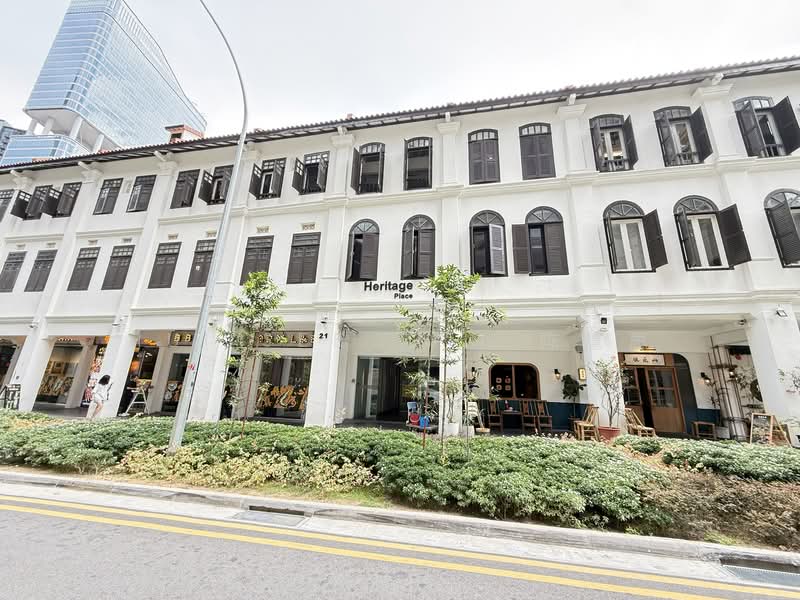
21 Tan Quee Lan Street · Condo · 4 min (360 m) from EW12 Bugis MRT Station
S$ 2,400,000
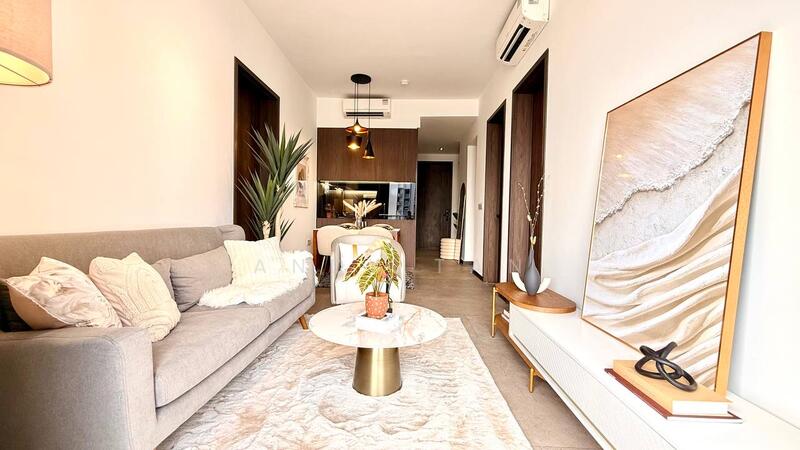
18 Tan Quee Lan Street · Condo · 5 min (400 m) from EW12 Bugis MRT Station
S$ 1,328,888
18 Tan Quee Lan Street · Condo · 5 min (400 m) from EW12 Bugis MRT Station
S$ 1,300,000
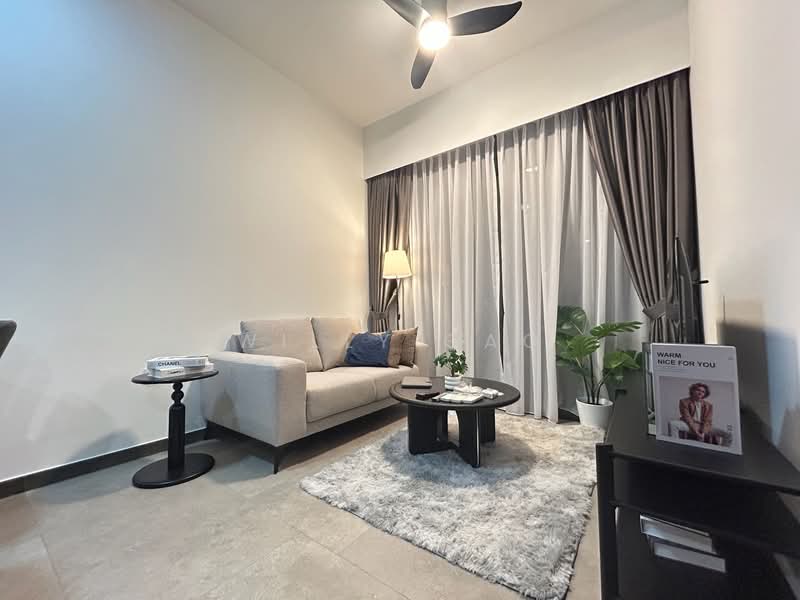
1 Fraser Street · Condo · 1 min (110 m) from DT14 Bugis MRT Station
The Bugis MRT precinct, particularly around Tan Quee Lan Street and Fraser Street, remains a compelling acquisition opportunity for owner-occupiers and investors seeking central location with moderate price points compared to Orchard or Marina Bay. Current listings show a diverse range from S$1.3 million to S$4.19 million, reflecting the area's mixed development profile with both older conservation properties and newer luxury condominiums. The dual MRT connectivity (EW12 and DT14 lines) enhances accessibility and appeals to both commuters and businesses, making this a stable segment even during market cycles where peripheral locations face softer demand.
Bugis has experienced more moderate appreciation than prime Central Business District locations like Raffles Place or Orchard, but has outperformed suburban MRT stations over the past five years due to its strategic position between the CBD and cultural/entertainment precincts. The presence of heritage conservation areas and low-rise developments on Tan Quee Lan Street has naturally capped density-driven price growth, distinguishing it from more aggressive redevelopment zones in Tanjong Pagar or Clarke Quay. Recent launches like Midtown Modern and DUO Residences indicate sustained developer interest, suggesting the market expects modest but steady capital appreciation driven by scarcity value and location fundamentals rather than speculative cycles.
Bugis attracts a mixed demographic: young urban professionals and downsizers seeking walkable access to Bugis Junction, the historic Arab Quarter, and emerging F&B clusters, combined with investor-landlords targeting the significant expatriate and student rental population drawn to the CBD proximity. Owner-occupiers typically value the conservation charm of heritage addresses like Heritage Place alongside modern amenities at mid-tier condominiums, with household incomes generally in the S$8,000–S$15,000 monthly range. Tenants are predominantly expatriates on 1–3 year corporate assignments, affluent younger Singaporeans, and NUS/SMU students willing to pay premium rents for central location, making yields attractive for buy-to-let investors.
Most properties in this precinct fall within S$1.3–S$2.5 million, positioning them within reach of the standard 75–80% loan-to-value financing available to owner-occupiers through major banks, with monthly servicing typically S$4,500–S$8,000 for a 30-year tenure. Properties at the premium end (S$3–S$4 million, such as Heritage Place) attract high-net-worth buyers who may leverage more modest loan ratios and benefit from portfolio diversification, whilst sub-S$1.5 million units at DUO Residences appeal to first-time upgraders or investors seeking entry-level trophy locations. Affordability stress is generally lower in this zone compared to prime District 9 or District 10 properties, making it an accessible gateway for investors seeking CBD-adjacent exposure without Orchard-level capital outlay.
Investors purchasing near Bugis MRT are subject to ABSD at current rates of 5% for the first S$500,000, 10% for S$500,001–S$1 million, and 15% thereafter on the property value, plus standard buyer's stamp duty of approximately 3–4% on the purchase price; a S$2 million investment property thus incurs roughly S$300,000 in ABSD plus S$60,000 in stamp duty combined. Foreign investor restrictions also apply, with ABSD escalating to 15% on the first S$500,000 and 20% on amounts above, effectively pricing most non-residents into the luxury tier; this regulatory environment has historically shifted buyer composition towards Singapore citizens and permanent residents in this precinct. The tax burden should be incorporated into yield calculations and cash-on-cash return projections, particularly for investors targeting 4–6% gross rental yields typical of this central but moderate-density zone.
Properties in the Bugis MRT area typically command gross rental yields of 3.5–4.5% for modern condominiums like Midtown Modern (based on estimated S$2.4 million purchase price and S$8,000–S$9,000 monthly rent), whilst heritage properties such as Heritage Place may achieve 2.8–3.8% due to premium pricing and smaller pool of luxury tenants. Vacancy risk is relatively low owing to consistent demand from the expatriate community, CBD workers, and students, with typical void periods of 2–4 weeks between tenancies; however, economic downturns or corporate relocations can compress rents by 10–15% and extend vacancy, particularly for premium units targeting executive tenants. The area's rental stability is enhanced by the absence of a large upcoming residential supply pipeline, distinguishing it from emerging precincts where competition from new launches may depress yields; however, investors must account for the higher ABSD burden when assessing net yield relativeto other locations.
Properties within 5 minutes' walk of Bugis MRT (the entire listings sample falls within this radius) command a tangible premium of approximately 8–12% compared to comparable units 10–15 minutes away, driven by the dual-line advantage (East–West Line EW12 and Downtown Line DT14) offering commute flexibility to both the CBD and emerging employment hubs in Marina Bay and the eastern corridor. The immediate pedestrian catchment also benefits from Bugis Junction's integrated retail and F&B offerings, enhancing rental appeal for tenants valuing convenience; DUO Residences' ultra-proximity at 110 metres from DT14 justifies a S$100,000+ price premium over comparable units at Heritage Place despite identical floor areas. Investors should note that the walkability premium typically attracts owner-occupiers and quality tenants, reducing turnover and supporting rental growth faster than average; however, this same premium also attracts competing developments, so valuations depend heavily on relative positioning within the micro-precinct.
The Bugis precinct has limited greenfield redevelopment potential owing to conservation status of heritage blocks and existing ownership fragmentation, with no major private residential launches announced within the immediate 400-metre radius, suggesting supply constraints will persist over the next 3–5 years. Government-led initiatives such as the preservation of the historic district and potential URA planning announcements for Bukit Timah–Rochor corridor could reshape accessibility but are unlikely to trigger large-scale new residential supply in the core Bugis trading zone, differentiating it favourably from precinct-wide redevelopment scenarios in areas like Bukit Merah or Geylang. This scarcity dynamic supports medium-term capital appreciation expectations of 2–3% annually for well-maintained properties, as increasing affluence and limited central supply should absorb units at stable price levels; investors should monitor URA master plan updates and any tourism-driven changes to the Arab Quarter, which could influence long-term neighbourhood character and tenancy composition.
Most freehold or 99-year leasehold properties near Bugis MRT remain in strong market positions, with the newer condominiums (Midtown Modern, DUO Residences) typically offering 99-year leases from recent completion dates, ensuring minimal lease degradation concerns for 20–30 year holding periods. Heritage Place and other conservation properties may carry older lease structures; buyers should verify remaining tenure and consider that properties with less than 80 years remaining lease will face financing restrictions and material valuation haircuts of 15–25%, particularly problematic if resale is anticipated within 15 years. Sellers face 4% stamp duty on disposal (for properties held under 4 years) or 2% (4+ years), incentivising longer holding periods and reducing turnover; buyer's perception of lease tenure risk tends to be lower in this precinct than in suburban areas owing to the CBD location's presumption of continued value, but due diligence remains critical for any heritage property.
Buyers should closely inspect conservation status and associated maintenance covenants, as Heritage Place and other Tan Quee Lan Street properties are subject to strict URA guidelines that can restrict renovations, add maintenance costs, and limit rental customisation—factors that may suppress yields and resale flexibility compared to modern condominiums. Structural issues and water ingress are common in older conservation blocks in tropical Singapore, so engage qualified surveyors to assess façade, waterproofing, and internal moisture; buildings on reclaimed land near the former Kallang River basin (including parts of the Bugis precinct) may carry subsidence or flooding risks requiring detailed geotechnical review. Finally, verify the developer's financial stability and track record for management (particularly for Midtown Modern and DUO Residences), assess service charge budgets and sinking fund adequacy, review the strata title and management council composition, and confirm MRT noise levels and ventilation solutions—sound insulation is critical in units directly above DT14 Line tunnels—and assess neighbourhood evolution risk given the Arab Quarter's ongoing tourism and retail repositioning.
Free Property Valuation
Enter your postal code and get a free instant valuation report straight to your inbox.