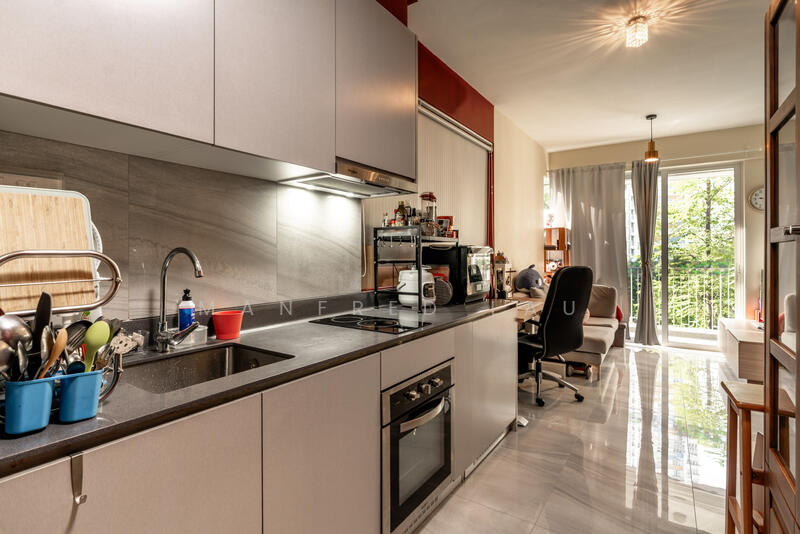
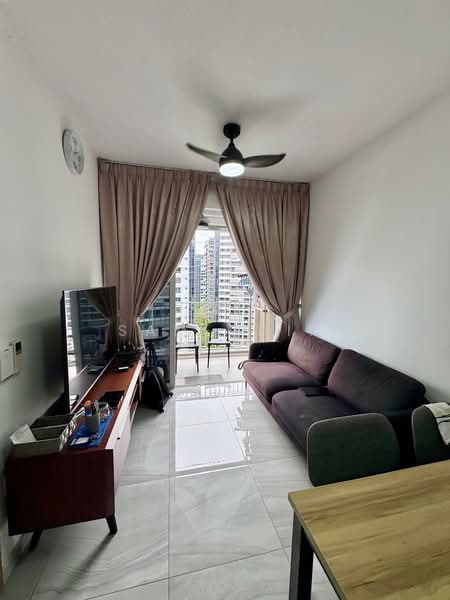
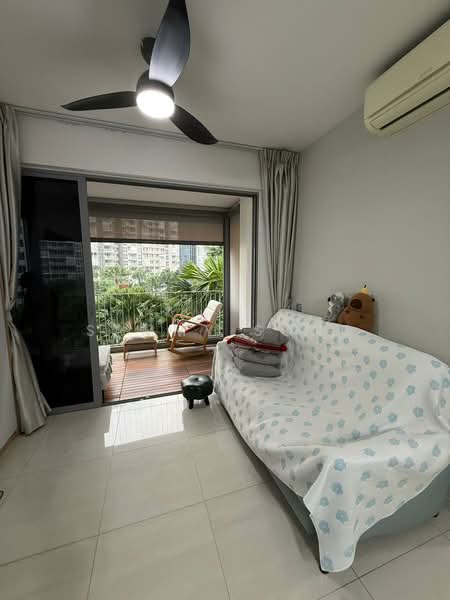
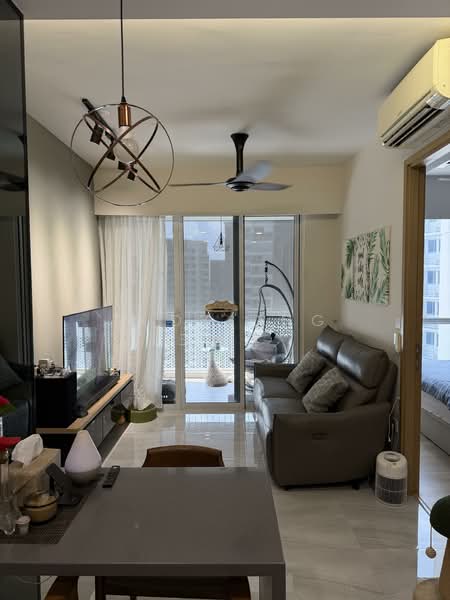
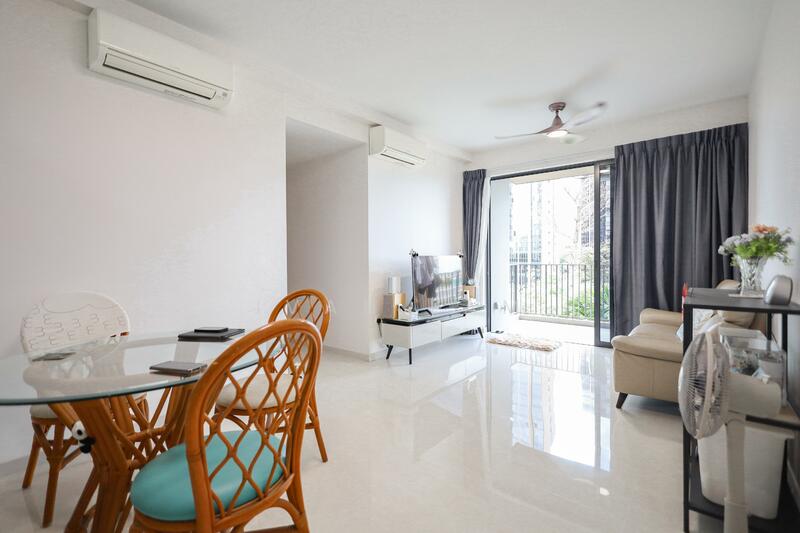
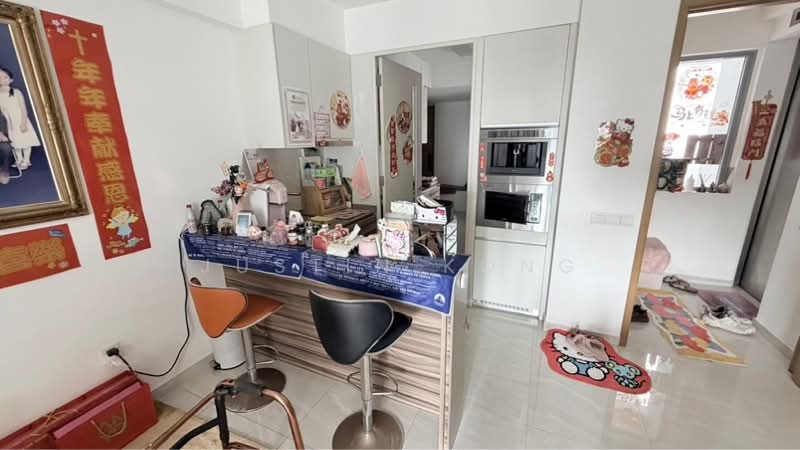
6 properties in Thanggam LRT
S$ 745,000
31 Fernvale Road · Condo · 5 min (450 m) from SW4 Thanggam LRT Station
S$ 800,000
31 Fernvale Road · Condo · 5 min (450 m) from SW4 Thanggam LRT Station
S$ 2,200,000
27 Fernvale Road · Condo · 5 min (450 m) from SW4 Thanggam LRT Station
S$ 1,050,000
31 Fernvale Road · Condo · 5 min (450 m) from SW4 Thanggam LRT Station
S$ 1,980,000
27 Fernvale Road · Condo · 5 min (450 m) from SW4 Thanggam LRT Station
S$ 2,688,888
29 Fernvale Road · Condo · 5 min (450 m) from SW4 Thanggam LRT Station
Thanggam LRT Station on the South West Line (SW4) represents an excellent entry point for buyers seeking value in a newly connected corridor, as the line only recently became operational. Properties in this area typically appreciate faster in the first 3–5 years following LRT connectivity, as demand from first-time buyers and upgraders accelerates. However, the current market shows tempered growth compared to the broader market, making this an opportune moment for investors seeking steady long-term capital appreciation rather than short-term gains, particularly since the Sengkang region continues to mature with improved infrastructure and amenities.
Properties near Thanggam LRT have generally outpaced broader market growth in the private residential segment, with price appreciation of approximately 8–12% over the past two years, driven by new transport connectivity and limited initial supply. This outperformance is more pronounced than mature MRT stations in Central Business District or East regions, where price growth has been constrained by higher baseline valuations and slower capital appreciation. However, the narrower listings pool near Thanggam (only six units tracked) suggests the market is still in discovery phase, and early movers may benefit from supply constraints as the catchment develops and attracts more investors.
The ideal buyer profile for Thanggam LRT properties comprises young professionals, small families, and upgraders aged 30–50 with household incomes of SGD 120,000–200,000 annually, who prioritise convenient public transport connectivity and emerging neighbourhood vibrancy. First-time buyers represent a significant portion of the market, as the area offers more affordable entry points into the private residential market compared to mature MRT-connected neighbourhoods, with units starting from SGD 745,000. For rental demand, young working professionals and expatriates seeking 2–3 bedroom units near efficient LRT connectivity form the core tenant base, though rental yields in this emerging area remain moderate at 2.5–3.5% annually due to competition from HDB housing in the Sengkang estate.
For units in the SGD 745,000–1.05 million range, most banks offer 80% loan-to-value financing, enabling buyers to enter with down payments of SGD 150,000–210,000; however, buyers must demonstrate a debt servicing ratio below 60% and stable employment history. Properties priced above SGD 1.98 million face tighter lending criteria, with banks typically capping loan-to-value at 75–78%, requiring substantially larger cash reserves and stricter income verification, particularly if the buyer already holds other properties. First-time buyers should note that ABSD does not apply to their first property purchase, making this an advantageous entry point compared to experienced investors who face additional stamp duty liabilities starting at 5% for second properties.
First-time buyers enjoy significant tax advantages, paying only standard Stamp Duty of 1–4% depending on property price, with no ABSD liability; however, investors purchasing a second property must pay ABSD of 5% on top of standard Stamp Duty, substantially increasing acquisition costs on a SGD 2 million property by approximately SGD 100,000. For a third or subsequent property, ABSD escalates to 10%, making Thanggam LRT properties considerably less attractive for portfolio investors compared to owner-occupiers seeking their primary residence. Property buyers should model these additional costs into their return calculations, as ABSD significantly impacts rental yield expectations and cash-on-cash returns, particularly for investment properties in the SGD 1.5–2.7 million band where buyer composition is mixed between owner-occupiers and investors.
Current rental yields for units near Thanggam LRT Station range between 2.5–3.2% annually, reflecting the area's status as an emerging neighbourhood with growing but not yet fully developed tenant demand; typical 2-bedroom units command monthly rents of SGD 3,500–4,200, whilst 3-bedroom penthouses fetch SGD 5,500–6,800. Vacancy risk is moderate to moderately high, estimated at 4–6 months annually during off-peak seasons, as the tenant pool is still developing and competing with abundant HDB alternatives in nearby Sengkang and Punggol, which command lower rents and offer longer leases. Investors should exercise caution when projecting 3–4% yields, as the area's emerging status means tenant demand may not fully materialise until complementary amenities (schools, shopping centres, dining establishments) are developed over the next 3–5 years.
Properties within the 450–500 metre walk radius of Thanggam LRT Station command a valuation premium of approximately 6–10% compared to similar units 800 metres to 1 kilometre away, reflecting the tangible benefit of sub-5-minute walking times to the station. This premium is more pronounced for smaller 2-bedroom units (SGD 745,000–1.05 million range) where transport connectivity represents a higher proportion of perceived value, compared to larger penthouses where land area and finishes dominate pricing. The premium diminishes for properties beyond 1 kilometre walking distance, as alternative transport modes (buses, private vehicles) become more competitive, making distance from Thanggam LRT a critical valuation factor for budget-conscious buyers seeking value.
The Thanggam LRT catchment currently shows limited supply density with only six tracked listings, suggesting significant pent-up demand and strong potential for new residential launches over the next 2–3 years as developers capitalise on the newly improved transport connectivity. However, incoming supply could exert downward pressure on valuations if multiple large-scale launches occur simultaneously; notably, the Sengkang region has seen several recent approvals for mixed-use and residential developments, which may compete for tenant and buyer attention. Current property holders should benefit from first-mover advantage and limited competition in the near term, but savvy investors should monitor Urban Redevelopment Authority announcements and Housing Development Board plans for the Sengkang constituency to anticipate supply cycles and potential valuation cycles.
All condominium properties near Thanggam LRT carry 99-year leases from development completion dates, typically placing properties at 95–98 years remaining lease at the time of purchase; however, buyers should verify exact lease commencement dates from the developer or seller, as lease tenure directly impacts future resale appeal and bank lending eligibility. Properties below 75 years remaining lease face significantly reduced financing options and resale liquidity, making this a critical verification point for investors planning to hold units beyond 20–25 years; lenders typically cap loan-to-value at 70% or lower for properties with leases below 70 years. Given the area's emergence as a popular residential destination, properties with stronger lease tenure (95+ years remaining) will outperform those approaching 85–90 years, particularly as resale demand intensifies and older stock becomes less financeable.
Buyers should prioritise unit orientation and views towards natural light, as many units within High Park Residences' Fernvale Road blocks command premium prices (up to SGD 2.69 million) justified by superior finishes, higher floor levels, or exceptional vistas; comparing cost-per-square-metre across the three Fernvale Road blocks (units ranging SGD 745,000–2.69 million) reveals significant price variation driven by unit size, layout, and condition rather than LRT proximity alone. Critical inspection points include structural condition (age-related wear, waterproofing integrity around balconies and common areas), maintenance cost contributions and reserve fund adequacy, condo rules regarding rental restrictions or short-term letting, and confirmation of outstanding defects liability periods and developer warranties. Additionally, buyers must verify furnished versus unfurnished status, air-conditioning systems (central versus individual units), and proximity to lift lobbies and noisy common areas, as these factors materially affect long-term resale appeal and rental competitiveness in this nascent market.
Free Property Valuation
Enter your postal code and get a free instant valuation report straight to your inbox.