5 properties in Sungei Bedok MRT
S$ 6,500,000
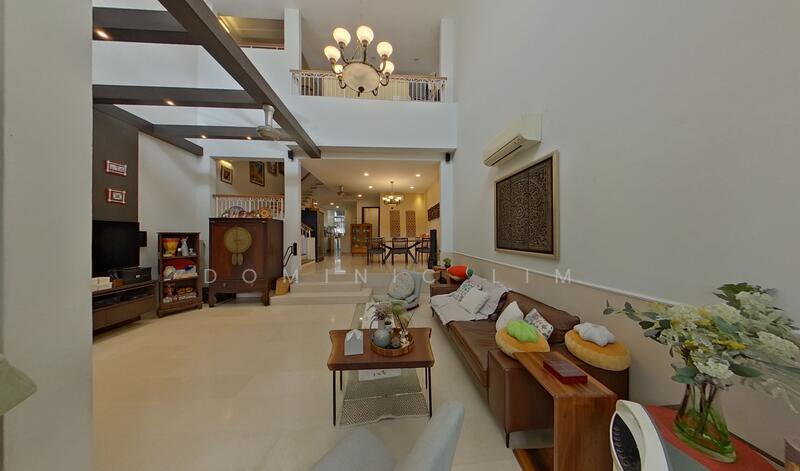
Landed · 6 min (510 m) from TE31 Sungei Bedok MRT Station
S$ 3,209,000
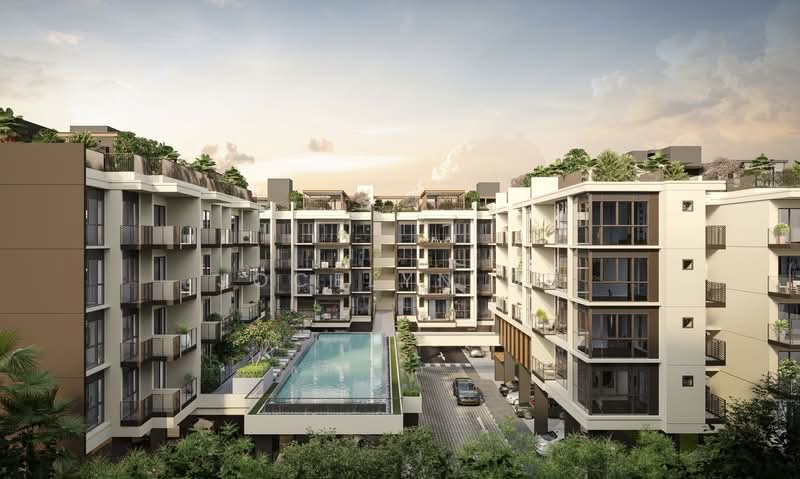
811 Upper East Coast Road · Condo · 5 min (390 m) from DT37 Sungei Bedok MRT Station
S$ 8,900,000
East Coast Road, Upper East Coast Road, Siglap · Landed · 13 min (1.09 km) from TE31 Sungei Bedok MRT Station
S$ 3,380,000
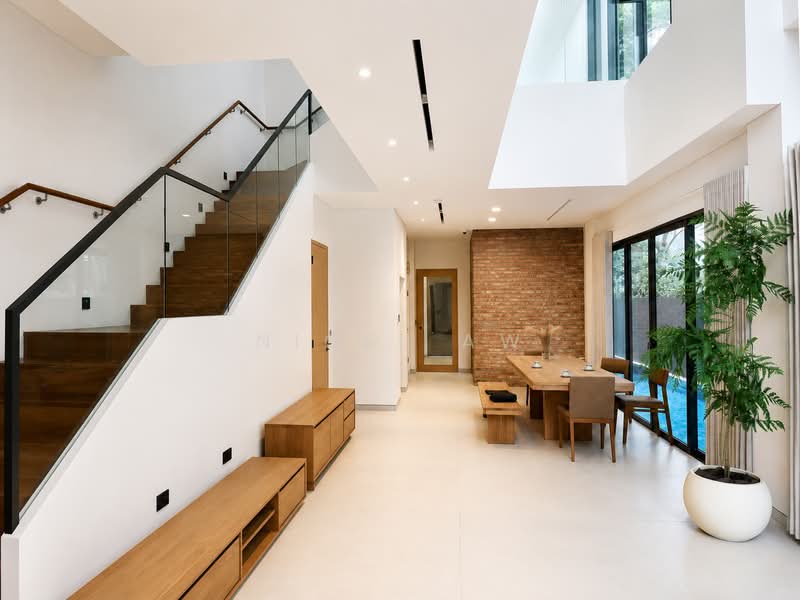
Eastwood Walk · Landed · 2 min (210 m) from TE31 Sungei Bedok MRT Station
S$ 4,800,000
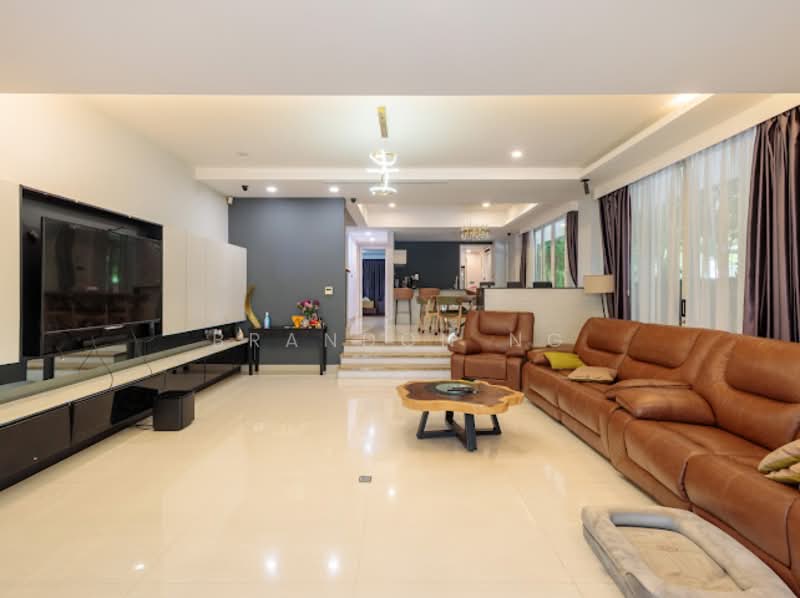
8 Eastwood Place · Landed · 2 min (200 m) from DT37 Sungei Bedok MRT Station
Sungei Bedok MRT (DT37) opened in December 2024 as part of the Downtown Line extension, making this an opportune moment for early adopters seeking capital appreciation as the area matures and connectivity improves. The station has already attracted mixed-use developments like Bagnall Haus, indicating developer confidence and long-term growth potential in this previously car-dependent region. Buyers purchasing now benefit from the first-mover advantage before property values normalise post-opening, though they should expect some initial volatility as the neighbourhood establishes its identity and tenant base.
Properties near Sungei Bedok are currently priced at a notable discount to comparable units in Marine Parade and Katong, with terraced houses around S$3.3–S$4.8 million versus S$6–S$10 million in more established areas, reflecting the station's nascent stage and limited historical rental demand data. However, the price gap is expected to narrow as connectivity improvements and infrastructure development (including the ongoing Bedok-Changi corridor enhancement) drive demand. The Sungei Bedok corridor benefits from lower density and larger plot sizes compared to Katong, potentially offsetting some of the proximity-to-city-centre discount over the next 5–10 years.
Owner-occupiers seeking larger landed properties with modern finishes (such as the corner terraces and bungalows in the area) are the primary target market, particularly families valuing space and the quieter eastern corridor whilst enjoying new MRT access. Tenants attracted to this area are likely young professionals, couples, and small families working in the CBD or Changi corridor who prioritise affordability over central-location convenience, with rents expected to stabilise as the neighbourhood matures. Investors should note that yield profiles differ markedly from CBD-proximate properties; the area suits long-term holders betting on Bedok-Changi economic growth rather than short-term rental arbitrage.
Properties in this price bracket (such as Bagnall Haus condominium and terraced houses like Eastwood Park) typically qualify for HDB loan schemes if applicable, but most buyers will require private bank financing with loan-to-value ratios of 75–80% for non-landed properties and 60–70% for landed housing. Monthly servicing costs at current interest rates (circa 3.5–4%) equate to approximately S$15,000–S$22,000 per month on a S$3.5 million purchase with 25-year tenure, making this category accessible to dual-income households earning S$200,000+ annually. First-time owner-occupiers may also benefit from extended lock-in periods and relationship discounts from banks seeking to establish footholds in the newly opened Sungei Bedok catchment.
Foreign investors and corporate entities face ABSD of 20% (on top of baseline stamp duty of 3–4%), making a S$3.5 million purchase subject to approximately S$700,000 in ABSD alone—a significant hurdle that typically steers foreign capital towards REITs or indirect exposure rather than direct property ownership. Singapore citizens purchasing a second residential property incur ABSD of 5%, whilst permanent residents face 15%, making citizen investors the preferred profile for this category given the lower tax burden and clearer capital appreciation pathways. Investors should model ABSD impact carefully, as the combination of purchase duty, ABSD, and potential future seller's stamp duty (up to 4%) meaningfully erodes gross returns on properties in this price range if held short-term.
Given the station's December 2024 opening and limited historical lettings data, rental yields are estimated at 2.5–3.5% gross (lower than mature East Coast suburbs) with significant uncertainty around tenant demand stabilisation over the first 18–24 months. Vacancy risk is elevated during this establishment phase, as prospective tenants will require time to discover the area's amenities, schools, and transport convenience—investors should budget for 4–8 weeks of void periods per year initially, declining as the neighbourhood matures. Terraced houses and bungalows (the dominant property type near Sungei Bedok MRT) typically achieve slightly higher yields (3–4%) than condominiums due to stronger owner-occupier demand, but rental growth will depend on successful activation of commercial and educational facilities in the wider Bedok-Changi corridor.
Properties within 5 minutes' walk of Sungei Bedok MRT (such as Bagnall Haus at 390 metres and Eastwood Park at 210 metres) command a transparency premium of approximately 8–12% over identical units 15–20 minutes away, reflecting the value of direct transit access to the CBD and Changi Employment Cluster via the Downtown Line. The newly opened station has already catalysed development interest (evidenced by Bagnall Haus's positioning as a modern waterfront residential project), suggesting that pricing will recalibrate upwards as walkability benefits become quantifiable through rental transactions and sale comparables. Beyond 10 minutes' walk, the MRT proximity premium diminishes sharply, making units at the outer edges of the Sungei Bedok catchment (13 minutes, 1.09 km) materially cheaper, though still benefiting from future-proofed transport connectivity.
The Bedok-Changi corridor development plan (part of Singapore's broader eastern economic diversification strategy) includes multiple residential and mixed-use projects planned within 1–2 km of Sungei Bedok MRT, likely introducing 2,000–3,000 new housing units over the next 5–7 years. This planned supply could temper capital appreciation rates and rental growth, as the market will initially experience a phase of affordability (due to new-launch competition) before stabilising into a mature demand-supply equilibrium. Early investors who purchase at current discounted valuations may benefit from capital gains as new projects absorb absorption, but late entrants (post-2026) should expect more subdued appreciation unless tenant demand significantly outpaces new unit delivery.
Landed properties (terraced houses and bungalows) near Sungei Bedok MRT typically carry freehold or 999-year leasehold tenure with negligible concerns about lease decay, making them suitable for long-term ownership and intergenerational wealth transfer. Condominiums in the area (such as Bagnall Haus) generally feature 99-year leases, which is increasingly scrutinised by banks and buyers; whilst current loan-to-value ratios remain favourable, properties with less than 70 years remaining on the lease will face financing restrictions and value depreciation. Purchasers should confirm lease tenure and commencement date with conveyancers, as the interplay between property age, remaining lease duration, and future resale liquidity will materially affect long-term holding viability and refinancing options.
Buyers should prioritise verification of accurate walking distances to Sungei Bedok MRT using satellite mapping, as discrepancies between agent claims and actual pedestrian routes (accounting for traffic lights, underpassess, and street-level connectivity) can significantly alter perceived transport convenience—units claiming 5-minute walks may require 10–12 minutes on foot due to indirect routing. Inspection of the catchment's early-stage infrastructure (including feeder bus routes, hawker centres, schools, and retail amenities) is essential, as buyer satisfaction and rental demand will hinge on whether these services materialise on schedule; developers' timelines for complementary facilities should be cross-referenced against URA's Bedok-Changi masterplan. Finally, scrutiny of the property's structural condition, cladding materials, and proximity to future construction (including potential noise and vibration from infrastructure development) is critical given the area's dynamic transformation phase—properties too close to future MRT ventilation shafts or commercial zones may face unforeseen amenity impacts.
Free Property Valuation
Enter your postal code and get a free instant valuation report straight to your inbox.