Lorong Chuan MRT station stands as a key transport interchange within the Serangoon planning district, anchoring a residential neighbourhood that has evolved into one of Singapore's most sought-after suburban corridors. Opened as part of the Circle Line's Phase 5A extension, this station seamlessly connects residents to the broader island network whilst maintaining the established character of the surrounding community.
Situated in the heart of Serangoon, Lorong Chuan MRT provides direct access via the Circle Line, linking commuters to Dhoby Ghaut in approximately 18 minutes and facilitating onward connections to the Downtown and Thomson-East Coast lines. The station's positioning creates natural footfall patterns that have encouraged mixed-use development and activated public spaces throughout the immediate precinct.
The area benefits from comprehensive feeder bus routes connecting residential pockets to the station, alongside growing cycling infrastructure as part of Singapore's broader active mobility initiatives. For motor vehicle users, the Lorong Chuan precinct sits within accessible distance of the Pan-Island Expressway and major arterial roads, though most residents leverage MRT connectivity for daily commuting.
Properties surrounding Lorong Chuan MRT reflect the diverse residential make-up of Serangoon district. HDB flats remain the predominant housing type, with a substantial inventory of 3-room, 4-room, and 5-room units spanning several decades of construction phases. These public housing estates typically benefit from rental demand driven by the station's accessibility, making them attractive for investor and owner-occupier alike.
Complementing the public housing stock, private residential developments have emerged progressively throughout the precinct. Newer apartment blocks and landed properties cater to buyers seeking contemporary finishes, premium amenities, and freehold ownership structures. The mixed residential density creates a vibrant neighbourhood with multiple demographic segments and varied lifestyle preferences.
The Lorong Chuan corridor has developed robust retail and dining options reflecting both established community preferences and evolving consumer trends. Hawker centres and food courts provide authentic local cuisine, whilst a growing roster of cafes, restaurants, and specialty shops appeal to younger demographics and families seeking convenient dining alternatives.
Essential services cluster near the MRT station, including supermarkets, pharmacies, banks, and healthcare clinics. Serangoon is home to several reputable primary and secondary schools, making the area particularly attractive for family-focused buyers and renters. Educational planning information shows strong school allocations across the wider district.
Community facilities include sports complexes, swimming pools, and fitness centres that serve both residents and the broader Serangoon catchment. The nearby Serangoon Gardens residential area adds green space and recreational opportunities, whilst the established community character means established social networks and grassroots activities are well-developed.
HDB resale values in the Lorong Chuan MRT precinct have demonstrated steady appreciation, reflecting consistent demand from owner-occupiers and investors valuing the station access. Typical 4-room units command valuations reflecting their age, condition, and MRT proximity, with premium pricing for recently renovated units or those with direct lift access to the station.
Private residential prices vary considerably depending on tenure status, unit size, and amenities. Freehold apartments and condominiums typically command price premiums over leasehold alternatives, whilst newer developments with comprehensive facilities achieve higher per-square-metre valuations than older walk-up apartment buildings.
Rental yields throughout the Lorong Chuan precinct remain competitive by Singapore standards. HDB flats attract strong tenant demand from young professionals and small families, with rental rates reflecting the balance between affordability and convenience. Private residential units appeal to both expatriate and local tenants seeking contemporary housing with enhanced facilities.
The Serangoon district features in Singapore's broader urban planning framework as a mature residential zone with excellent transport connectivity. URA's planning provisions for the area emphasise maintaining residential character whilst carefully managing commercial and mixed-use intensification around key nodes like Lorong Chuan MRT.
Future developments in the wider Serangoon area, including ongoing estate renewal initiatives and transport infrastructure upgrades, will likely further enhance the attractiveness of properties near the MRT station. The planned expansion of cycling networks and pedestrian pathways aims to make the precinct increasingly accessible for non-motorised transport.
Buyers and renters evaluating properties near Lorong Chuan MRT should consider several factors specific to this location. The MRT station itself functions as a primary valuation driver, with units commanding premiums when within a 5-minute walk of the entrance. HDB ownership comes with standard resale conditions and eligibility requirements, whilst private residential purchases involve distinct considerations regarding lease tenure and condo management.
The neighbourhood's maturity means that whilst growth potential exists, it may be more measured than newer districts undergoing intensive development. Conversely, established infrastructure and settled community character provide stability and predictable demand patterns attractive to conservative investors.
Rental demand near Lorong Chuan MRT remains robust given the station's convenience and the area's comprehensive amenities. Properties positioned within walking distance of the station entrance typically achieve faster tenant placement and premium rental rates compared to units further from transport hubs.
Beyond direct MRT access, the Lorong Chuan precinct benefits from its location within an established residential district with diverse neighbouring precincts. The nearby Ang Mo Kio area offers additional shopping and dining venues, whilst Macpherson and Tai Seng provide supplementary commercial and employment hubs within close proximity.
The Kallang Planning Area to the south encompasses sports and recreation facilities, including the Kallang Leisure Park. The Hougang and Punggol districts to the east feature emerging commercial and lifestyle precincts that contribute to the broader regional vibrancy and economic activity.
Prospective buyers and renters exploring properties near Lorong Chuan MRT will benefit from understanding current market conditions and valuation benchmarks. Property value assessments provide official baselines for property tax and valuation purposes, though market prices may vary significantly from assessed values depending on condition and location precision within the precinct.
Working with experienced agents familiar with the Serangoon district and Lorong Chuan MRT micromarket provides significant advantages when navigating purchase or rental decisions. Agents with local expertise can identify properties positioned to capture maximum MRT accessibility benefits and advise on emerging trends affecting valuations and rental demand.
The Lorong Chuan MRT precinct represents a compelling option for residential property seekers valuing transport connectivity, established community infrastructure, and access to diverse housing types. Whether pursuing owner-occupation, investment yields, or rental convenience, this Serangoon neighbourhood continues to attract residents seeking the balance between urban accessibility and suburban amenity that defines Singapore's most successful residential precincts.
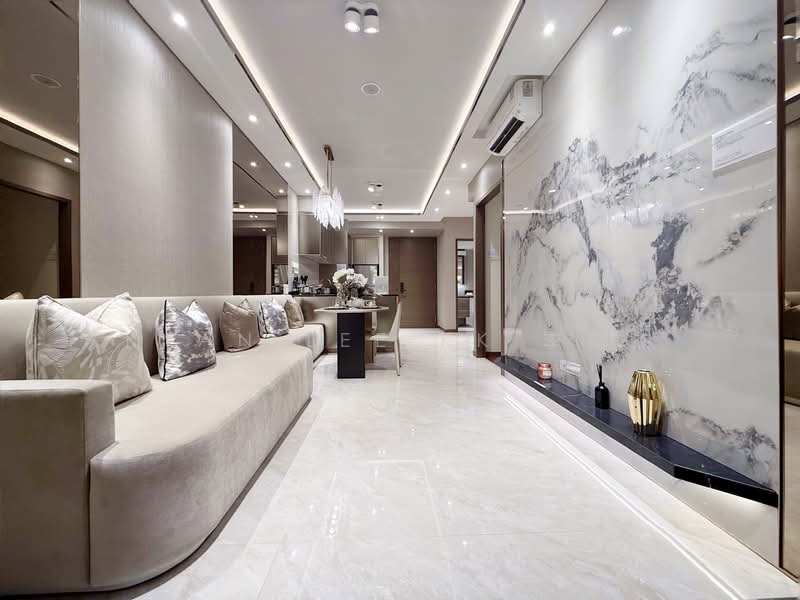
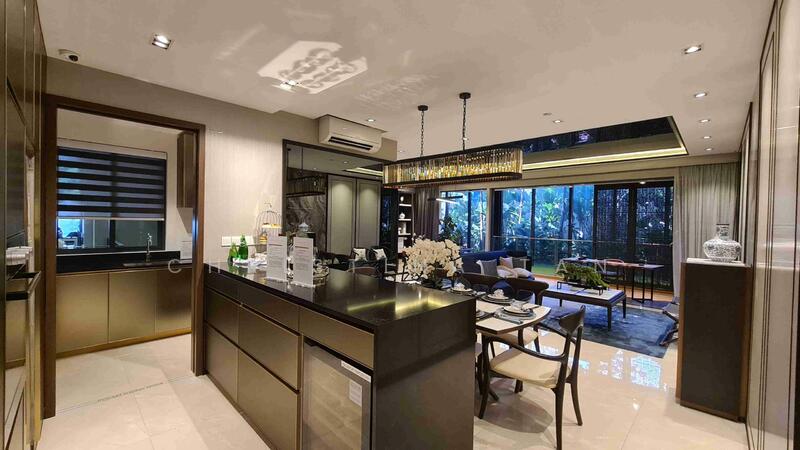
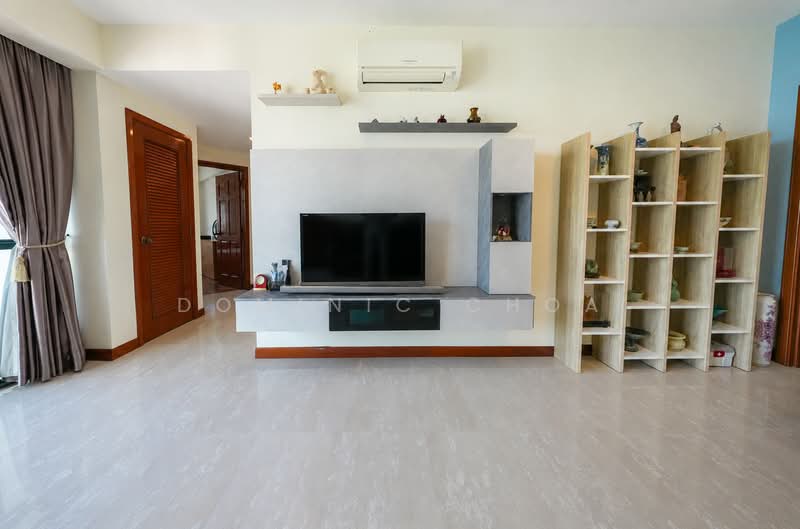
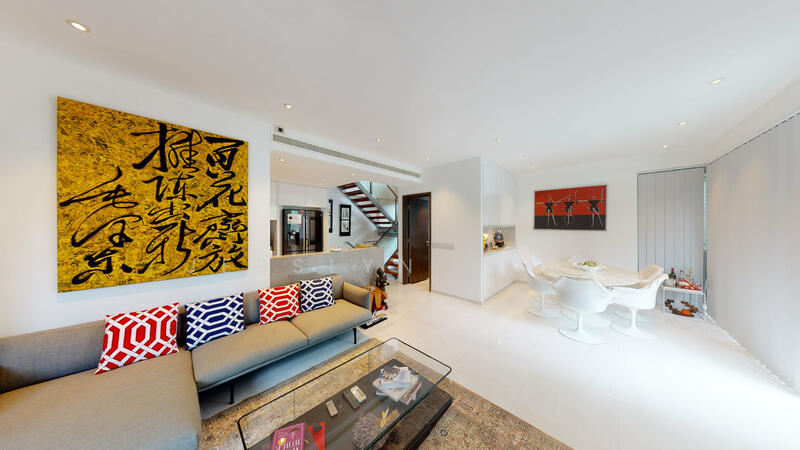
16 properties in Lorong Chuan MRT
S$ 2,066,700
244 Lorong Chuan · Condo · 5 min (400 m) from CC14 Lorong Chuan MRT Station
S$ 3,199,990
240 Lorong Chuan · Condo · 2 min (150 m) from CC14 Lorong Chuan MRT Station
S$ 1,780,000
139 Serangoon Avenue 3 · Condo · 3 min (210 m) from CC14 Lorong Chuan MRT Station
S$ 4,280,000
Matlock Rise · Landed · 1.1 km (13 mins) from CC14 Lorong Chuan MRT
The Lorong Chuan MRT area presents a mixed opportunity depending on your property type preference. The station sits on the Circle Line, which has historically shown steady capital appreciation, though growth has been more moderate than newer lines. Given the ultra-prime landed properties commanding S$12–16 million alongside affordable HDB units around S$800,000, this is a rare location where different buyer profiles can find value, making it attractive for those seeking established neighbourhoods with both heritage and modern amenities. The current market shows resilience, particularly for properties within 600 metres of the station where walkability premiums are more pronounced.
The price differential is primarily driven by land scarcity and freehold status, with landed properties in exclusive estates like Braddell Heights and Cotswold Close commanding freehold or long-leasehold premiums that reflect their rarity in central Singapore. Condominiums like Goldenhill Park, hovering around S$3.4 million, offer a more accessible entry point for those seeking the neighbourhood's connectivity without the seven-figure maintenance costs of landed homes. The landed properties also benefit from private outdoor space and the prestige factor of established residential enclaves, which justify valuations 3–4 times higher per square metre than comparable condo units, despite being further from the MRT station.
Properties within 600 metres (roughly 7 minutes' walk) command a noticeable premium; the semi-detached at Clifton Vale (610m away) and the detached house at Melrose (480m away) demonstrate that even minor distance reductions correlate with higher asking prices in this mature neighbourhood. Beyond 760 metres, such as Goldenhill Park, the MRT proximity benefit diminishes, though these properties still benefit from the station's existence due to improved accessibility and future-proofing against transport infrastructure obsolescence. The sweet spot for value appears to be 500–700 metres, where buyers pay for proximity without the ultra-premium charged for developments literally steps from the station.
Condominiums like Goldenhill Park, priced around S$3.4 million, typically deliver gross rental yields of 2.5–3.2% per annum, translating to approximately S$85,000–S$109,000 annually, with relatively low vacancy risk due to consistent demand from professionals working at nearby technology parks and hospitals. Landed properties, whilst offering lower percentage yields (often 1.8–2.5% due to higher capital values), attract longer-term tenants and premium-paying expatriate families, reducing turnover costs and vacancy exposure. The Lorong Chuan area has shown stable rental demand, particularly from East Coast and Serangoon corridor professionals, though the rental market is more sensitive to economic cycles than capital appreciation, with 2–3 month vacancy periods common during economic downturns.
Purchasers acquiring a second residential property face Additional Buyer's Stamp Duty (ABSD) at 15% of the purchase price for citizens and 25% for permanent residents, which on a S$3.4 million condo purchase would amount to S$510,000–S$850,000 respectively—a substantial cost that fundamentally affects investment returns. Stamp duty itself ranges from 1% to 4% depending on property value, adding an additional S$51,000–S$136,000 to transaction costs on the aforementioned condo purchase. For landed properties exceeding S$10 million, ABSD becomes prohibitively expensive (S$1.5–2.5 million), making these assets primarily suitable for owner-occupiers or investors with significant capital to absorb the duty burden; this structural cost reality explains why most ultra-prime landed properties in the area are owner-occupied rather than held for rental income.
Properties with freehold status, such as the exclusive bungalows in Braddell Heights, command a permanent ownership premium that typically ranges 15–25% higher than equivalent 99-year leasehold properties, as buyers value the absence of lease decay concerns and the asset's perpetual viability. Most HDB flats and some condominiums operate on 99-year leases, which present a mathematical depreciation risk after the 30-year mark, though Singapore's leasehold renewal framework has recently improved with government top-ups extending lease life to 105 years. For investment purposes, properties with leases below 80 years face meaningful valuation headwinds and financing difficulties, so investors evaluating Lorong Chuan properties should prioritise either freehold status or leases with 85+ years remaining to ensure capital preservation and future salability.
The Lorong Chuan station area is primarily built-out with established estates dating from the 1980s–2000s, meaning new supply is extremely limited compared to newer stations along the Circle or Thomson lines; this supply constraint supports price stability and reduces pressure from new competitor units. The nearest significant pipeline developments are further along the Circle Line (such as new projects near Marymount or Caldecott), which may create mild pricing pressure if they offer superior amenities at comparable price points. However, the established character and heritage appeal of Lorong Chuan precinct—particularly its exclusive landed estates—insulates it from direct competition, as new developments typically target younger demographics or provide different lifestyle propositions, making it a relatively sheltered investment location for existing property holders.
The ideal condo buyer is typically a 35–50 year-old professional or couple working in the CBD or healthcare sector, seeking established neighbourhood stability without the maintenance burden of landed property; this demographic shows consistent demand and low default risk. For landed properties, the target buyer is often an expatriate family or ultra-high-net-worth individual seeking a secure, prestigious address with privacy and freehold security, a market segment relatively insensitive to typical economic cycles. Renters cluster around healthcare workers (due to proximity to medical institutions), technology professionals (Tech Central), and established expats; this diverse tenant base and high-quality buyer demographic underpins the area's resilience during economic downturns, making it a lower-volatility investment compared to speculative precincts.
HDB flats near Lorong Chuan (around S$800,000) are highly financeable with 90% loan-to-value ratios available, allowing a first-time buyer to enter with approximately S$80,000 down payment plus transaction costs, making this category accessible to middle-income Singaporeans. Condominiums at S$3.4 million typically receive 75–80% financing from major banks, requiring S$680,000–S$850,000 upfront capital, placing them within reach of dual-income professionals but beyond single-earner affordability; this price range represents the practical financing ceiling for most salaried buyers. Landed properties exceeding S$10 million face lending restrictions with many banks capping loans at 50–60% LTV, effectively requiring S$4–7 million in cash or liquid assets, restricting this category to high-net-worth individuals and institutional investors; the financing cliff at this price point explains why Lorong Chuan's ultra-prime segment has limited transaction frequency.
For condominiums, carefully verify the building's maintenance fund and age of mechanical systems, as Goldenhill Park and similar 1990s–2000s developments may face rising sinking fund contributions for lift replacements and structural works; aging infrastructure can rapidly erode investment returns through unexpected cost escalations. For landed properties, scrutinise the lease tenure carefully—properties with remaining leases below 80 years face financing and resale constraints, and some estates may have restrictive covenants limiting modifications or commercial use, which affect future flexibility. Additionally, verify proximity claims to the MRT station, as the difference between 600–1000 metres significantly impacts convenience and capital appreciation, and assess flood risk in low-lying developments near water catchment areas or monsoon-prone zones, which have caused historic issues in parts of the Serangoon precinct and directly impact insurance premiums and future marketability.
Free Property Valuation
Enter your postal code and get a free instant valuation report straight to your inbox.